

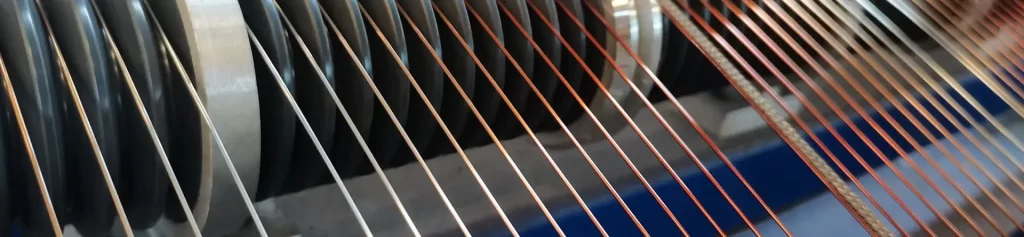
With the rapid development of industrial automation, new energy vehicles, aerospace, and other industries, the operating temperature requirements for electrical equipment continue to increase. Traditional organic insulation materials (such as polyester enameled wire, paper-covered wire, etc.) are prone to insulation aging, performance degradation, or even failure in high-temperature environments. In contrast, fiberglass covered wire can operate stably for extended periods at temperatures of 180℃~220℃ or even higher, providing reliable insulation solutions for high-temperature electrical equipment.
This article systematically elaborates on the technical advantages of fiberglass covered wire in high-temperature applications from the aspects of material characteristics, thermal performance, electrical performance, mechanical properties, environmental resistance, and application fields, providing comprehensive material selection references for engineering technicians.
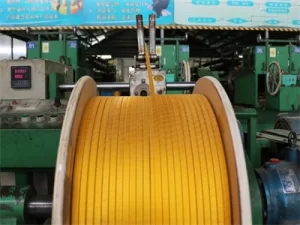
1. Material Characteristics of Fiberglass Covered Wire
1.1 High-Temperature Nature of Fiberglass
Fiberglass is an inorganic non-metallic material, with its main chemical component being silicon dioxide (SiO₂, typically 52%~62%), supplemented by aluminum oxide (Al₂O₃), calcium oxide (CaO), magnesium oxide (MgO), and other oxides. Compared with organic polymer materials, fiberglass has the following high-temperature advantages:
High Softening Point: The softening point of fiberglass is typically between 800℃~1000℃, far higher than any organic insulation material. This means that fiberglass itself will not soften, melt, or thermally decompose within the normal operating temperature range.
Low Thermal Expansion Coefficient: The thermal expansion coefficient of fiberglass is approximately 5×10⁻⁶/℃, with good dimensional stability during temperature changes, preventing insulation layer cracking or peeling due to thermal expansion and contraction.
Non-Combustibility: Fiberglass is a non-combustible material that will not burn, will not release toxic gases, and has excellent flame retardant properties under high-temperature flame action.
1.2 Heat-Resistant Selection of Insulating Impregnating Varnish
The fiberglass braided layer itself has certain hygroscopicity and requires impregnation with insulating varnish to improve its electrical performance and moisture resistance. For high-temperature applications, common impregnating varnish types include:
Silicone Resin Impregnating Varnish: Has excellent high-temperature resistance, with thermal class reaching Class H (180℃) or even Class C (above 200℃). The main chain structure of silicone resin is silicon-oxygen bonds (Si-O), with bond energy up to 444 kJ/mol, far higher than carbon-carbon bonds (347 kJ/mol), thus providing higher thermal stability.
Modified Polyester-Imide Impregnating Varnish: By introducing heat-resistant functional groups, the thermal class of traditional polyester-imide is increased from Class B (130℃) to Class F (155℃) or Class H (180℃), improving heat resistance while maintaining good electrical properties.
Polyimide Impregnating Varnish: Has the highest thermal class (Class C, above 240℃), suitable for extreme high-temperature environments. The polyimide molecular structure contains a large number of aromatic rings and imide rings, endowing it with outstanding thermal stability and chemical stability.
1.3 Advantages of Composite Structure
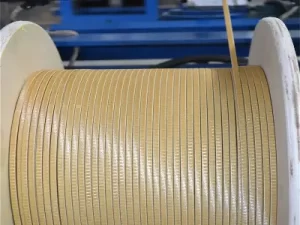
Fiberglass covered wire adopts a composite structure of “conductor + fiberglass braided layer + impregnating varnish”. This composite structure integrates the high conductivity of the conductor, the mechanical strength of fiberglass, and the electrical insulation properties of the impregnating varnish, forming a complete high-temperature insulation system.
2. Thermal Performance Advantages
2.1 Thermal Class
The thermal class of fiberglass covered wire mainly depends on the type of impregnating varnish. According to IEC 60085 standard, it can be classified as follows:
| Thermal Class | Maximum Operating Temperature | Typical Impregnating Varnish Type |
|---|---|---|
| Class H | 180℃ | Silicone resin |
| Class N | 200℃ | Special silicone resin |
| Class R | 220℃ | Modified silicone/polyimide |
| Class C | 240℃+ | Polyimide/ceramic coating |
Among these, Class H fiberglass covered wire is the most commonly used high-temperature winding wire type, widely applied in industrial motors, dry-type transformers, reactors, and other equipment.
2.2 Thermal Stability
Fiberglass covered wire has excellent thermal stability under high-temperature conditions. Verified through thermal aging tests, high-quality fiberglass covered wire can maintain its electrical and mechanical properties at over 80% of initial values after continuous operation for 20,000 hours at rated temperature.
Silicone impregnating varnish does not undergo significant thermal decomposition or degradation after long-term operation at 200℃, maintaining stable insulation resistance and breakdown voltage. This characteristic gives fiberglass covered wire significant advantages in high-temperature continuous operation applications.
2.3 Flame Retardant Properties
Fiberglass itself is a non-combustible material with excellent flame retardant properties. Under high-temperature flame action, fiberglass covered wire will not burn, will not release toxic gases, and will not produce molten drips, effectively preventing flame spread.
According to UL 94 flame retardant grade testing, fiberglass covered wire typically achieves V-0 grade (the highest flame retardant grade), meeting application scenarios with strict flame retardant requirements such as building electrical equipment, rail transit electrical equipment, and marine electrical equipment.
2.4 Thermal Conductivity and Heat Dissipation
The thermal conductivity of fiberglass is approximately 0.04 W/(m·K), lower than that of copper (401 W/(m·K)) and aluminum (237 W/(m·K)). Although the fiberglass insulation layer has a certain hindering effect on winding heat dissipation, the fiberglass braided layer has certain breathability, allowing heat inside the winding to be dissipated through air convection and thermal radiation.
In high-temperature applications, forced air cooling, oil cooling, and other heat dissipation methods are typically used in conjunction to ensure that winding temperature rise is controlled within allowable limits.
3. Electrical Performance Advantages
3.1 High-Temperature Insulation Resistance
Fiberglass covered wire maintains good insulation resistance under high-temperature conditions. At 180℃, the insulation resistance of high-quality fiberglass covered wire is typically not less than 50 MΩ·km, meeting electrical insulation requirements in high-temperature environments.
Silicone impregnating varnish does not undergo thermal decomposition or carbonization at high temperatures, continuously providing stable insulation performance. In contrast, certain organic insulation materials are prone to thermal aging at high temperatures, leading to a sharp decline in insulation resistance.
3.2 Breakdown Voltage
The breakdown voltage of fiberglass covered wire is typically between 5,000V~15,000V, with specific values depending on insulation layer thickness and impregnating varnish type. Thick insulation type fiberglass covered wire can achieve breakdown voltages exceeding 15,000V, suitable for high-voltage high-temperature winding applications.
3.3 Arc Resistance
Fiberglass material has excellent arc resistance and can maintain the integrity of the insulation layer under arc action, without melting or carbonizing like some organic insulation materials. This characteristic gives fiberglass covered wire unique advantages in high-temperature application scenarios where arcs may occur (such as electric furnace transformers, electric arc furnace equipment, etc.).
3.4 Partial Discharge Resistance
Under high-temperature and high-voltage conditions, partial discharge is one of the main causes of insulation aging. The composite insulation structure of fiberglass covered wire has good partial discharge resistance, effectively delaying the insulation aging process and extending winding service life.
4. Mechanical Property Advantages
4.1 High-Temperature Mechanical Strength
The tensile strength of fiberglass is far higher than that of organic fiber materials, with single-filament tensile strength reaching 2,000~3,500 MPa. Under high-temperature conditions, the mechanical strength of fiberglass does not significantly decrease, providing continuous mechanical protection in high-temperature operating environments.
In contrast, organic insulation materials are prone to softening or embrittlement at high temperatures, with mechanical strength dropping significantly, unable to provide effective mechanical protection for conductors.
4.2 Wear Resistance
The wear resistance of fiberglass covered wire is significantly superior to that of ordinary enameled wire. The fiberglass braided layer has high hardness and wear resistance, effectively protecting conductors from mechanical damage during winding processes such as winding, embedding, and shaping.
In high-temperature application scenarios, windings often endure greater mechanical stress (such as stress from thermal expansion and contraction, vibration from electromagnetic forces, etc.). The wear resistance of fiberglass covered wire can effectively reduce the risk of winding short circuits.
4.3 Flexibility
The flexibility of fiberglass covered wire depends on the diameter of the fiberglass, braiding density, and the flexibility of the impregnating varnish. Although fiberglass itself is less flexible than organic fibers, through reasonable braiding processes and impregnating varnish selection, the flexibility of fiberglass covered wire can meet the requirements of most high-temperature winding processing.
5. Environmental Resistance Advantages
5.1 Moisture Resistance
Fiberglass covered wire treated with impregnating varnish has good moisture resistance. Silicone impregnating varnish can fully fill the gaps between fiberglass fibers, effectively preventing moisture intrusion.
In high-temperature and high-humidity environments, the moisture absorption rate of fiberglass covered wire typically does not exceed 2%, maintaining good insulation performance in humid environments. This characteristic enables widespread application of fiberglass covered wire in electrical equipment in tropical and subtropical regions with high temperature and humidity.
5.2 Chemical Resistance
Fiberglass covered wire has good resistance to most chemical substances. Silicone impregnating varnish has good oil resistance to mineral oil, transformer oil, lubricating oil, etc., enabling stable long-term operation in oil-immersed equipment.
In mildly acidic or alkaline environments, fiberglass covered wire can also maintain stable performance. However, in strong acid or strong alkali environments, fiberglass will corrode and dissolve, making it unsuitable for such extreme chemical environments.
5.3 UV Resistance
Fiberglass itself has good resistance to ultraviolet rays and will not age or degrade due to UV exposure. The UV resistance of silicone impregnating varnish is also superior to most organic impregnating varnishes.
Fiberglass covered wire used in outdoor high-temperature environments can resist UV exposure for extended periods, maintaining insulation performance stability.
6. High-Temperature Application Field Analysis
6.1 Industrial Motors
High-Temperature Environment Motors: Industrial motors in metallurgy, mining, cement, glass, and other industries typically operate in high-temperature environments. The high-temperature resistance of fiberglass covered wire makes it the preferred winding material for these high-temperature motors.
Crane Motors: Crane motors need to withstand significant mechanical stress and vibration, while operating in high-temperature environments. The high mechanical strength and high-temperature resistance of fiberglass covered wire enable it to adapt to the harsh operating conditions of crane motors.
Variable Frequency Motors: Variable frequency motors generate high-frequency harmonics and additional heat during operation, placing higher demands on the thermal resistance of winding insulation materials. Fiberglass covered wire can maintain stable insulation performance under high-temperature and high-frequency conditions.
6.2 Transformers
Dry-Type Transformers: Dry-type transformer windings typically use Class H fiberglass covered wire, capable of stable long-term operation at 180℃. The flame retardant properties of fiberglass covered wire enable dry-type transformers to operate safely in space-constrained locations with high environmental safety requirements such as high-rise buildings and basements.
Electric Furnace Transformers: Electric furnace transformers operate at extremely high temperatures and typically use Class C fiberglass covered wire to ensure long-term stable operation. The widespread application of fiberglass covered wire in electric furnace transformers provides reliable保障 for the efficient operation of electric furnace equipment.
6.3 Reactors
Industrial Reactors: In various filter reactors, current-limiting reactors, and power factor correction reactors, the high-temperature resistance and arc resistance of fiberglass covered wire make it the preferred solution. Under high-temperature and high-voltage conditions, fiberglass covered wire can maintain stable insulation performance.
6.4 Household Appliances
High-Temperature Household Appliances: The heating element windings of high-temperature household appliances such as ovens, microwave ovens, and rice cookers typically use fiberglass covered wire. The high-temperature resistance and flame retardant properties of fiberglass covered wire enable safe operation in high-temperature environments.
6.5 Industrial Heating Equipment
Industrial Electric Furnaces: The windings of industrial electric furnaces, heat treatment equipment, drying equipment, and other industrial heating equipment typically use fiberglass covered wire. Fiberglass covered wire can operate stably at temperatures above 200℃ for extended periods.
7. Comparison with Other High-Temperature Insulation Materials
| Comparison Item | Fiberglass Covered Wire | Polyimide Film Covered Wire | Nomex® Paper Covered Wire | Ceramic Coated Wire |
|---|---|---|---|---|
| Thermal Class | Class H~C (180℃~240℃+) | Class C (240℃+) | Class H (180℃) | Class C (240℃+) |
| Mechanical Strength | High | Medium | Medium-Low | Low |
| Wear Resistance | Excellent | Good | Fair | Poor |
| Flame Retardancy | Excellent | Excellent | Excellent | Excellent |
| Flexibility | Good | Good | Fair | Poor |
| Cost | Medium | High | Medium-High | High |
| Typical Applications | High-temp motors, dry-type transformers | Aviation motors, special transformers | Dry-type transformers | Extreme high-temp equipment |
8. Selection Recommendations
8.1 Selection by Operating Temperature
150℃~180℃: Select Class H fiberglass covered wire (silicone impregnating varnish).
180℃~200℃: Select Class N fiberglass covered wire (special silicone impregnating varnish).
200℃~220℃: Select Class R fiberglass covered wire (modified silicone/polyimide impregnating varnish).
Above 220℃: Select Class C fiberglass covered wire (polyimide impregnating varnish or ceramic coating).
8.2 Selection by Operating Environment
High-Temperature Dry Environment: Silicone impregnating varnish fiberglass covered wire.
High-Temperature High-Humidity Environment: Moisture-resistant silicone impregnating varnish fiberglass covered wire.
High-Temperature Oily Environment: Oil-resistant silicone impregnating varnish fiberglass covered wire.
High-Temperature Outdoor Environment: UV-resistant silicone impregnating varnish fiberglass covered wire.
8.3 Supplier Selection Factors
Certifications: Products should comply with international standards such as IEC 60317, NEMA MW 1000, and GB/T 6109, with ISO9001 quality management system certification.
Manufacturing Capabilities: Possess professional fiberglass covered wire production equipment, able to precisely control conductor dimensions, fiberglass braiding density, and impregnating varnish coating quality.
Testing Capabilities: Possess specialized testing capabilities including thermal aging tests, high-temperature insulation resistance testing, high-temperature breakdown voltage testing, and other专项检测能力.