


The question of whether aluminum or copper wire is better represents one of the most fundamental material selection decisions in electrical engineering. Both metals have been used successfully for electrical conduction for over a century, yet each offers distinct advantages that make it the preferred choice for different applications. Understanding the characteristics of each material enables engineers and designers to make informed decisions that optimize performance, cost, and reliability for specific use cases. Copper has traditionally dominated electrical applications due to its superior conductivity and proven reliability.
However, aluminum has emerged as a compelling alternative in many applications, particularly where weight reduction, cost savings, or specific technical requirements favor its unique properties. The choice between these two materials extends far beyond simple conductivity comparisons. This comprehensive guide examines the characteristics of aluminum and copper wire across multiple dimensions including electrical performance, physical properties, cost considerations, and application suitability. By understanding these factors, decision-makers can select the most appropriate conductor material for their specific requirements.
Electrical Conductivity Comparison
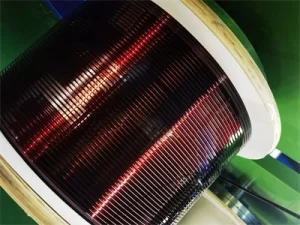
Electrical conductivity represents the primary technical differentiator between aluminum and copper conductors, with significant implications for conductor sizing and system design. Copper possesses approximately 1.6 times the electrical conductivity of aluminum by volume. This higher conductivity means that copper conductors can carry more current in a smaller cross-sectional area compared to aluminum conductors designed for the same current-carrying capacity. The conductivity advantage of copper translates directly to smaller conductor sizes for equivalent performance, which can be critical in space-constrained applications or where minimizing wire size is important for other reasons.
However, when comparing conductors of equal size rather than equal conductivity, the weight advantage of aluminum becomes apparent. Aluminum conductors weigh approximately one-third as much as copper conductors of equivalent current-carrying capacity.
Temperature Effects on Conductivity
Both aluminum and copper experience changes in resistance with temperature variations, though the specific behavior differs between the metals in ways that influence application decisions. The resistance of both metals increases approximately linearly with temperature over the normal operating range. This temperature coefficient of resistance must be accounted for in precise resistance calculations for various operating conditions. The temperature coefficient for copper is approximately 0.00393 per degree Celsius, while for aluminum it is approximately 0.00430 per degree Celsius.
This means aluminum resistance changes slightly more with temperature than copper resistance. At cryogenic temperatures approaching absolute zero, both metals exhibit dramatically different behavior. Copper can become superconducting, eliminating resistance entirely at very low temperatures, while aluminum also becomes superconducting but at different transition temperatures.
AC Performance Considerations
Alternating current applications introduce additional performance considerations beyond simple DC resistance that affect material selection decisions. Skin effect causes alternating current to flow primarily near the conductor surface, reducing the effective cross-sectional area available for current flow. This effect becomes more significant at higher frequencies, though at power frequencies up to a few hundred hertz, skin effect is minimal for typical wire sizes. Proximity effect from adjacent conductors also influences AC resistance, with the magnetic fields from neighboring turns affecting current distribution within each conductor.
At very high frequencies such as those encountered in power electronics or audio applications, both aluminum and copper may require special constructions such as Litz wire to mitigate skin and proximity effects.
Physical and Mechanical Properties
The density difference between aluminum and copper creates distinct advantages for applications where weight is a critical consideration. Aluminum has a density of approximately 2.7 grams per cubic centimeter, compared to 8.89 grams per cubic centimeter for copper. This means aluminum weighs only about 30% as much as an equivalent volume of copper. The weight advantage of aluminum becomes particularly significant in transportation applications where reduced vehicle weight translates directly to improved fuel efficiency or extended battery range in electric vehicles.
Large conductor applications such as overhead transmission lines and bus bars particularly benefit from the weight savings that aluminum provides, reducing structural support requirements and installation costs.
Tensile Strength
Tensile strength influences how conductors perform during installation, in service under mechanical stress, and when subjected to forces from short circuits or other abnormal conditions. Copper has significantly higher tensile strength than aluminum, enabling it to withstand greater pulling forces during installation without stretching or damage. This higher strength also provides better resistance to mechanical stresses encountered in service. Aluminum has lower tensile strength but adequate strength for most applications when properly supported and installed using appropriate techniques.
The mechanical design must account for the lower strength when selecting aluminum conductors. For applications requiring very high strength, aluminum alloys are available that provide improved mechanical properties while retaining the weight advantage of aluminum.
Flexibility and Workability
The flexibility and ease of working with conductor materials affect manufacturing processes, installation requirements, and the types of connections that can be made. Copper is softer and more malleable than aluminum, making it easier to bend and form during manufacturing and installation. This workability advantage simplifies handling and termination procedures. Aluminum requires more careful handling due to its tendency to deform more easily and its lower fatigue strength.
However, with proper techniques and equipment, aluminum can be worked successfully in most applications. The choice between aluminum and copper may be influenced by the specific manufacturing processes and installation methods planned for a given project.
Thermal Expansion
Thermal expansion behavior affects long-term dimensional stability and the design of connections and terminations that must accommodate movement during temperature changes. Both aluminum and copper expand when heated and contract when cooled, with coefficients of thermal expansion that differ slightly between the metals. Aluminum expands approximately 23% more than copper for an equivalent temperature change. This differential expansion must be considered in applications where aluminum and copper are in contact, as the different expansion rates can create stress at connections or joints between the materials.
Proper termination design accommodates thermal expansion without creating stress concentrations that could lead to fatigue damage over many thermal cycles.
Cost and Economic Factors
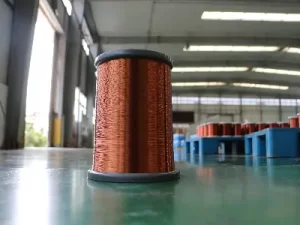
The raw material cost difference between aluminum and copper represents one of the most significant factors influencing material selection in many applications. Copper prices typically range from 3 to 4 times the price per pound of aluminum, though both metal prices fluctuate based on global supply and demand conditions. This significant price difference creates substantial cost savings opportunities when aluminum can be used. The larger conductor cross-section required for aluminum to achieve equivalent conductivity increases insulation material requirements and winding space, partially offsetting the raw material cost advantage.
The total system cost comparison typically provides the most accurate assessment. Long-term price trends suggest that the cost advantage of aluminum will likely persist, as copper is classified as a relatively scarce resource with limited production growth potential compared to aluminum wire.
Processing and Manufacturing Costs
Manufacturing costs for aluminum and copper conductors differ in ways that affect the total cost comparison beyond raw material prices. Copper wire drawing generally requires more passes to achieve fine sizes due to the metal greater strength, potentially increasing manufacturing time and tooling wear. However, copper superior surface finish characteristics can reduce die wear in certain operations. Aluminum wire drawing typically proceeds faster due to the metal lower hardness, potentially offsetting some volume-related cost disadvantages through processing efficiency.
Annealing requirements differ between the metals, with aluminum generally requiring less energy input for thermal processing due to lower thermal mass.
Total Cost of Ownership Analysis
A comprehensive total cost of ownership analysis considers all costs associated with a material decision, not just initial purchase price. Shipping and handling costs favor aluminum due to its lower weight, particularly for large conductors or high-volume shipments. These logistics savings can be substantial for heavy electrical equipment. Installation costs may differ based on the different handling and termination requirements for aluminum versus copper.
These differences should be quantified where possible. Maintenance and reliability costs over the equipment life may differ, particularly for connections and terminations where the two materials have different long-term behavior.
Application Suitability
Power generation and transmission applications have historically been the primary domain for aluminum conductors in electrical systems. Overhead transmission lines predominantly use aluminum conductors due to the significant weight advantage that reduces tower requirements and installation costs. ACSR (Aluminum Conductor Steel Reinforced) and similar constructions provide the mechanical strength needed for long spans. Underground power cables often use aluminum conductors for similar weight-related reasons, particularly for large cross-section cables where the weight savings provide significant installation benefits.
The use of aluminum in power transmission is well-established with proven reliability across decades of service in diverse environmental conditions.
Transformers and Reactors
Transformer and reactor windings present specific advantages and challenges for both aluminum and copper conductor materials. Large power transformers frequently use aluminum windings due to the significant raw material cost savings and reduced weight that facilitates handling and installation. These transformers have demonstrated reliable performance over many decades. Medium and small transformers may use either aluminum or copper depending on specific design requirements, cost targets, and customer preferences.
The choice often depends on the competitive positioning of the equipment manufacturer. The larger conductor sizes required for aluminum windings increase transformer core dimensions and tank size, partially offsetting raw material savings but generally still providing net cost advantages for larger transformers.
Motors and Generators
Electric motor applications present more complex material selection considerations due to the performance sensitivity of motor design. Small motors often show limited or no aluminum cost advantage due to the fixed overhead costs of manufacturing that do not scale proportionally with conductor material cost. The larger motor frame sizes needed to accommodate aluminum windings may not provide net benefits for small motors. Large motors can realize more substantial aluminum advantages, with cost savings potentially exceeding 20% for larger frame sizes.
Weight reduction in large motors also facilitates handling and installation. Motor efficiency considerations may favor copper in certain applications where the slightly superior conductivity enables higher efficiency designs within the same frame size.
Building and Construction
Building electrical systems use both aluminum and copper in different applications based on specific requirements and historical practice. Building wire for residential and commercial applications has traditionally used copper due to its superior conductivity and ease of installation in the relatively small conductor sizes used in branch circuits. Aluminum building wire was used extensively in the 1960s and 1970s but experienced connection problems that led to safety concerns and a shift back to copper for most building applications. Larger aluminum conductors continue to be used in building services and distribution systems where their cost and weight advantages are most pronounced.
Transportation Applications
Electric vehicle and transportation electrification are creating new demand for both aluminum and copper conductors with specific application advantages for each material. Electric vehicle motors may use either aluminum or copper windings depending on the specific design objectives and performance requirements. The weight advantage of aluminum can contribute to improved vehicle range. Battery cables and high-voltage distribution systems in electric vehicles frequently utilize aluminum due to the weight savings and adequate current-carrying requirements at those conductor sizes.
The selection between aluminum and copper in transportation applications depends on the specific vehicle design, performance targets, and cost objectives.
Connection and Termination Considerations
Aluminum connections require special attention to design and installation to ensure reliable long-term performance. Aluminum forms a resistive oxide layer on its surface when exposed to air, which can increase connection resistance if not properly addressed during termination. Special termination techniques and materials are required. Galvanic corrosion can occur when aluminum is connected to dissimilar metals in the presence of moisture.
Proper materials selection and sealing of connections prevent this type of corrosion. Aluminum expands and contracts more than copper with temperature changes, which can loosen connections over time if not properly designed. Spring-pressure-type connectors help accommodate this movement.
Copper Connection Advantages
Copper connections generally present fewer challenges than aluminum connections in normal applications. Copper does not form a highly resistive oxide layer like aluminum, and the oxide that does form is more easily penetrated by contact pressure in properly designed connections. The thermal expansion characteristics of copper are better matched to many connection materials, reducing the risk of connection loosening from thermal cycling. Standard connection techniques and materials developed over many decades of use provide proven reliability for copper conductors.
Best Practices for Both Materials
Regardless of the conductor material, proper connection design and installation are essential for reliable electrical systems. Appropriate termination methods designed for the specific conductor material should always be used. This includes suitable terminals, connectors, and installation techniques. Compression-type connections or properly made welded or brazed connections provide the most reliable long-term performance for both aluminum and copper conductors.
Regular inspection and maintenance of connections helps ensure continued reliable performance over the equipment service life.
Reliability and Longevity
Both aluminum and copper have demonstrated reliable long-term performance when properly applied in appropriate applications. Copper electrical systems have a very long history of reliable service in all types of electrical equipment, establishing copper as the benchmark for reliability in most applications. Aluminum conductors have also demonstrated excellent reliability when properly designed, terminated, and installed. The key is adherence to appropriate design practices and installation procedures.
The historical performance record for both materials provides confidence that either can provide reliable service when properly applied.
Long-Term Aging Characteristics
The aging characteristics of aluminum and copper conductors differ in ways that influence expected service life and maintenance requirements. Copper conductors experience oxidation during service, but this oxidation is generally self-limiting and does not significantly affect conductivity or mechanical properties over decades of service. Aluminum conductors may experience gradual degradation of connection resistance if connections are not properly maintained. However, properly made aluminum connections have demonstrated decades of reliable service.
The insulation systems used with both conductor materials age over time, and this aging often determines equipment service life rather than the conductor itself.
Application-Specific Reliability
The reliability requirements of specific applications may favor one conductor material over the other based on the consequences of failure. Critical infrastructure applications such as hospitals, data centers, and safety systems may prefer copper for its proven reliability record and easier termination verification. Large industrial installations often successfully use aluminum conductors for power distribution when properly designed and installed. The application-specific reliability considerations should be evaluated for each project to ensure appropriate material selection.
Making the Right Choice
The optimal conductor material depends on specific application requirements, operating conditions, and economic factors that must be systematically evaluated. Technical requirements including current capacity, space constraints, weight limitations, and environmental conditions establish the boundaries within which economic optimization can occur. Economic factors including material costs, manufacturing expenses, installation complexity, and lifecycle value should be evaluated holistically rather than in isolation. Risk tolerance and supply chain priorities influence decisions where technical and economic factors provide comparable outcomes.
General Selection Guidelines
While the optimal choice depends on specific circumstances, some general guidelines can inform the initial material selection. Choose copper when space constraints require compact conductors, when maximum conductivity in minimum space is needed, or when the installation environment makes connection quality verification difficult. Choose aluminum when weight reduction is important, when large conductor sizes make material cost significant, or when the application is well-suited to aluminum with proven track record. Consider hybrid approaches for complex systems where different applications within the same system may favor different materials.
Future Considerations
Emerging trends and technologies continue to evolve the aluminum versus copper decision for electrical conductors. Electric vehicle adoption is increasing demand for both materials while driving innovation in conductor technology and application methods. Sustainability considerations and recycling economics increasingly favor materials with well-established recycling infrastructure, which both aluminum and copper possess. New alloy development and processing improvements continue to enhance the performance characteristics of both conductor materials.
The question of whether aluminum or copper wire is better does not have a universal answer. Both materials offer distinct advantages that make them optimal for different applications and requirements. Copper provides superior conductivity and established performance in applications where space constraints, efficiency requirements, and connection reliability considerations dominate the design criteria. The higher raw material cost is justified where these technical factors are paramount.
Aluminum delivers compelling cost and weight advantages in applications where large conductor sizes make material cost significant, where weight reduction provides meaningful benefits, or where the application has proven track record with aluminum. The conductivity disadvantage is manageable with appropriate conductor sizing. A systematic evaluation of technical requirements, economic factors, and lifecycle considerations enables informed decisions that optimize value for each specific application. Consultation with material suppliers and equipment manufacturers provides valuable input for complex selection decisions.
The optimal approach combines rigorous analysis of quantifiable factors with consideration of risk tolerance, supply chain priorities, and future requirements. This comprehensive perspective ensures that conductor material selection delivers appropriate value across the full equipment lifecycle.