

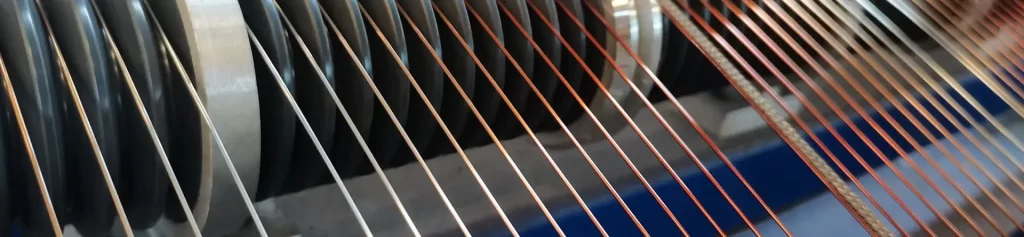
Fiberglass covered wire has established itself as one of the most reliable insulation solutions for electrical equipment operating in demanding thermal environments. The exceptional heat resistance of this material system enables electrical equipment to operate reliably at temperatures that would rapidly degrade conventional insulation materials. Understanding the fundamental mechanisms that contribute to this heat resistance enables engineers to make informed material selection decisions and to optimize equipment designs for demanding applications. The heat resistance of fiberglass covered wire results from the inherent properties of its two primary components: the glass fiber reinforcement and the polymer resin matrix that binds it together.
Neither material alone provides the complete heat-resistant performance that the composite system achieves. The synergistic combination creates an insulation material that maintains its electrical and mechanical properties at temperatures far exceeding those tolerable by conventional magnet wire insulation. This comprehensive technical guide examines the scientific and engineering principles that make fiberglass covered wire heat resistant. The information presented here helps engineers and designers understand why this material performs so well in thermal environments and how to take full advantage of its capabilities in electrical equipment design.
The Science of Glass Fiber Heat Resistance
The thermal stability of glass fibers forms the foundation of the heat resistance exhibited by fiberglass covered wire. Glass is an amorphous solid material that does not melt at a sharp temperature like crystalline materials but instead gradually softens over a temperature range. Different glass compositions provide varying levels of thermal performance. E-glass, the most common glass type used in electrical insulation, maintains its properties up to approximately 850 degrees Celsius.
This thermal stability enables fiberglass insulation to withstand temperatures that would immediately destroy organic insulation materials. The amorphous structure of glass means there is no crystalline lattice that can disorder as temperature increases. Instead, the atomic structure gradually relaxes, allowing the material to maintain its shape and properties even at elevated temperatures. Glass fibers also exhibit minimal thermal expansion compared to metals, reducing the mechanical stresses that develop when temperature changes cause differential expansion between the insulation and conductor.
This dimensional stability contributes to the long-term reliability of fiberglass insulated windings in thermal cycling applications.
Glass Fiber Composition and Structure
The specific chemical composition of glass fibers significantly influences their thermal performance characteristics. Different glass types are formulated for different performance requirements. E-glass, named for its original use in electrical applications, provides good thermal stability combined with excellent electrical properties and reasonable cost. This balance of properties has made E-glass the dominant choice for electrical insulation applications.
S-glass and other high-strength glass compositions offer improved thermal performance for demanding applications where enhanced mechanical properties are required at elevated temperatures. The fiber drawing process that produces glass fibers from molten glass creates highly uniform, defect-free strands with consistent thermal properties. This manufacturing consistency enables reliable performance predictions for fiberglass insulated components.
Temperature Effects on Glass Fiber
As temperature increases within the working range of glass fiber, the material exhibits predictable changes in mechanical properties that are well-characterized and can be accommodated in design. Tensile strength of glass fiber decreases gradually with temperature increase, following a predictable curve that allows accurate strength predictions at operating temperatures. This gradual degradation contrasts with materials that fail catastrophically at a specific temperature limit. Modulus of elasticity decreases slightly with temperature, reducing the stiffness of the fiber at elevated temperatures.
This effect is reversible, with properties returning to original values upon cooling for temperatures within the working range. Creep, the gradual deformation that occurs under sustained load at elevated temperatures, is minimal in glass fiber at normal operating temperatures, enabling fiberglass structures to maintain their shape under sustained mechanical and thermal stress.
The Role of Resin Systems
The resin matrix that binds glass fibers together in fiberglass insulation plays a crucial role in determining the overall thermal performance of the composite material. Thermosetting resins are the preferred choice for heat-resistant applications. Thermoset resins undergo a chemical crosslinking reaction during cure that creates a three-dimensional molecular network. This network structure provides the thermal stability that distinguishes thermosets from thermoplastic materials, which soften and flow as temperature increases.
Epoxy resins commonly used in fiberglass insulation provide good thermal stability, with specialized formulations rated for continuous operation at temperatures up to 180 to 200 degrees Celsius. The specific thermal capability depends on the epoxy chemistry and any modifiers or fillers added. Polyester resins offer good thermal performance at lower cost than epoxy, making them suitable for applications where the highest thermal capability is not required. Vinyl ester resins provide a balance of thermal performance and chemical resistance.
Resin Reinforcement of Glass Fiber
The combination of glass fiber and resin creates a composite material with properties superior to either component alone. The resin matrix distributes loads between fibers and protects them from environmental factors. The resin coats each individual glass fiber, creating a protective layer that prevents fiber-to-fiber contact and provides electrical insulation between conductive elements. This insulation function is essential for preventing short circuits in wound coils.
Load transfer between fibers occurs through the resin matrix, enabling the composite to behave as a unified structural element rather than as separate fibers. This load transfer capability enables fiberglass structures to withstand mechanical stresses that would individually break fibers. The resin also provides resistance to moisture penetration and chemical attack, protecting the glass fibers from environmental degradation that could compromise their thermal performance.
Thermal Degradation Mechanisms
Understanding how resins degrade at elevated temperatures enables accurate prediction of the thermal limits of fiberglass insulation systems. Thermal oxidation occurs when oxygen in the air attacks the resin molecular structure, causing chain scission and crosslinking reactions that gradually reduce molecular weight and mechanical properties. This mechanism becomes significant above certain threshold temperatures for each resin system. Char formation represents a thermal degradation pathway where heating in the absence of oxygen causes the resin to decompose into carbonaceous char rather than volatilizing completely.
This char can provide some residual insulation capability even after the organic resin has degraded. The glass transition temperature marks the point where the resin changes from a rigid glassy state to a softer, more rubbery condition. While the glass fiber maintains its properties above this temperature, the resin softening can compromise the structural integrity of the composite.
Composite Material Performance
The combination of glass fiber and resin creates synergistic effects where the composite performs better than either constituent alone. These synergies are fundamental to the excellent heat resistance of fiberglass insulation. The glass fibers provide high-strength reinforcement that maintains its mechanical properties at temperatures where organic materials would fail. The resin matrix protects the fibers and distributes loads evenly across the composite structure.
The thermal expansion mismatch between glass and resin creates beneficial residual stresses in the composite that improve its overall mechanical performance. These compressive stresses in the resin help the composite resist cracking and delamination. Void content in the composite affects thermal performance, with well-manufactured materials having minimal voids that could serve as sites for degradation initiation. Proper impregnation and cure procedures are essential for achieving low void content.
Thermal Conductivity Considerations
Heat transfer through fiberglass insulation determines how effectively heat generated in the conductor can be conducted away to the cooling medium. Understanding thermal conductivity enables appropriate thermal design. The thermal conductivity of fiberglass insulation is relatively low compared to metals, creating thermal resistance that impedes heat flow from the conductor to the cooling surface. This thermal resistance must be accounted for in thermal calculations.
The orientation of glass fibers affects thermal conductivity, with better heat transfer along the fiber direction than across the fiber mat. This anisotropy must be considered in thermal modeling of wound coils. Impregnation with varnish or resin fills voids and improves thermal contact between fibers and between the insulation and adjacent surfaces, enhancing overall thermal conductivity compared to unimpregnated fiberglass.
Long-Term Thermal Aging
The ability of fiberglass insulation to maintain its properties over decades of elevated temperature operation distinguishes it from materials that degrade rapidly at high temperatures. Thermal aging follows predictable patterns that can be modeled using accelerated aging test data. The Arrhenius relationship describes how aging rate increases with temperature, enabling life prediction for different operating conditions. Property changes during thermal aging include reduction in tensile strength, increase in weight loss, and changes in electrical properties.
These changes are monitored during aging tests to establish life curves for the material system. The combination of glass fiber and resin provides aging resistance superior to either material alone. While the resin ages relatively quickly at elevated temperature, the glass fiber maintains its properties, preserving the structural integrity of the composite.
Factors Affecting Thermal Performance
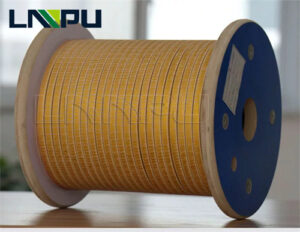
The temperature capability of fiberglass insulation is defined by thermal class ratings that indicate the maximum sustained operating temperature the material can tolerate while maintaining acceptable properties. Standard fiberglass insulation systems are typically rated for thermal classes from 155 to 220 degrees Celsius depending on the specific resin system and construction. These ratings provide guidance for application within appropriate temperature limits. The thermal class rating represents the temperature at which the material can operate continuously while retaining adequate properties for reliable service.
Operating above this temperature accelerates aging and may compromise reliability. Hot spot temperature, the highest temperature reached at any point within the insulation, must be maintained below the thermal class rating to ensure acceptable life. This hot spot temperature typically exceeds the average winding temperature.
Thermal Cycling Effects
Repeated thermal cycling between operating and ambient temperatures creates cumulative stress that can degrade fiberglass insulation over time. Understanding these effects enables design for thermal cycling applications. Differential thermal expansion between the copper conductor and the fiberglass insulation creates cyclic shear stresses at their interface. These stresses can cause delamination or cracking if they exceed the adhesive strength of the system.
The number of thermal cycles a coil can withstand depends on the temperature range, the rate of temperature change, and the specific construction of the winding. Thermal shock, rapid temperature change, is more damaging than gradual thermal cycling. Proper impregnation and support structures help the winding accommodate thermal cycling without damage. Design practices that minimize differential expansion reduce thermal cycling stress.
Environmental Factors
Environmental conditions including humidity, chemical exposure, and radiation can affect the thermal performance of fiberglass insulation in ways that must be considered for specific applications. High humidity environments can cause moisture absorption that reduces the electrical properties and accelerates thermal aging of fiberglass insulation. Sealed or hermetically sealed constructions protect against humidity in demanding environments. Chemical exposure to solvents, oils, or other substances can degrade the resin matrix, compromising thermal performance.
Chemical-resistant resin systems are available for demanding environments. Radiation exposure, as in nuclear power applications, can cause degradation of the resin matrix. Radiation-resistant formulations maintain performance in these specialized applications.
Applications Requiring Heat Resistance
Applications involving elevated operating temperatures drive the selection of fiberglass covered wire for its heat resistance capabilities. Industrial furnaces, metal-working equipment, and high-power density electronics often operate at temperatures that would rapidly degrade conventional insulation. Fiberglass enables reliable operation in these demanding thermal environments. Electric vehicle motors and power electronics operate at elevated temperatures due to high power density, driving adoption of fiberglass insulation for its thermal capability and reliability.
Aerospace and defense applications require insulation that maintains performance across extreme temperature ranges, making fiberglass a preferred choice for its proven thermal capability.
Continuous High-Temperature Exposure
Applications involving sustained high-temperature operation benefit from the excellent thermal aging resistance of fiberglass insulation. Transformers and reactors in hot climates or in confined spaces with limited cooling may operate at temperatures that require the thermal margin provided by fiberglass insulation. Power generation equipment often operates at elevated temperatures to maximize efficiency, requiring insulation that can tolerate continuous high-temperature operation. Process industry equipment may involve elevated temperatures as part of the manufacturing process, requiring insulation materials that maintain reliability in these hot environments.
Thermal Cycling Applications
Applications involving repeated thermal cycling require insulation that can accommodate the mechanical stresses from differential expansion without degradation. Rail and transit equipment experiences wide temperature swings as ambient conditions change, requiring insulation that tolerates thermal cycling throughout the equipment life. Hvac compressors and other equipment with frequent start-stop cycles creates thermal cycling that stresses insulation materials, benefiting from the thermal cycling tolerance of fiberglass. Cryogenic equipment that cycles between ambient and cryogenic temperatures also requires insulation that tolerates extreme thermal cycling.
Testing and Verification
Standard tests verify the thermal properties of fiberglass insulation and confirm that materials meet specified performance requirements. Thermal endurance testing exposes samples to elevated temperatures for extended periods, measuring the retention of properties over time. This testing establishes the thermal life characteristics of the material. Glass transition temperature testing identifies the temperature at which the resin matrix transitions from glassy to rubbery state, providing guidance for the upper temperature limit of the material.
Thermogravimetric analysis measures weight loss as temperature increases, identifying decomposition temperatures and characterizing the thermal stability of the material.
Electrical Property Testing at Temperature
Electrical properties of fiberglass insulation must be verified at elevated temperatures to ensure reliable performance in thermal applications. Dielectric strength testing at elevated temperatures verifies that the insulation maintains adequate voltage withstand capability under thermal conditions. Insulation resistance measurement at temperature indicates how electrical resistance changes with temperature, important for understanding leakage current behavior in hot conditions. Dissipation factor testing at temperature reveals how dielectric losses vary with temperature, important for thermal design to avoid excessive dielectric heating.
Quality Assurance Procedures
Manufacturing quality assurance ensures that the heat resistance characteristics designed into fiberglass insulation are consistently achieved in production.
incoming inspection verifies that raw materials meet specifications for glass fiber type, resin chemistry, and other critical parameters. Process control during impregnation and cure ensures consistent void content and complete resin cure, both critical for achieving designed thermal performance. Final testing verifies that finished products meet all thermal performance specifications before shipment to customers.
Maximizing Heat Resistance Benefits
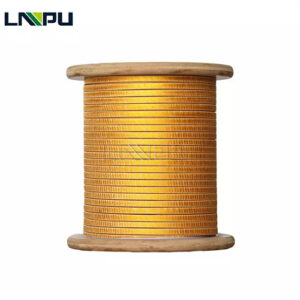
Appropriate design practices enable full utilization of the heat resistance capabilities built into fiberglass insulation systems. Conservative temperature design provides margin against unexpected temperature excursions and accounts for uncertainties in thermal calculation and measurement. Appropriate conductor sizing reduces power losses and the heat generated within the winding, lowering operating temperatures and extending insulation life. Effective cooling provision ensures that heat can be transferred efficiently from the winding to the cooling medium, maintaining acceptable temperatures throughout the equipment.
Proper Installation Techniques
Correct installation practices preserve the heat resistance characteristics designed into fiberglass insulation throughout manufacturing and assembly. Proper handling prevents mechanical damage that could compromise the insulation integrity and its thermal performance capability. Appropriate termination techniques ensure that connections do not create hot spots or other conditions that would stress the insulation beyond its designed capability. Quality verification after installation confirms that the insulation system was not damaged during assembly and is ready for reliable service.
Maintenance for Continued Performance
Maintenance practices help ensure that the heat resistance of fiberglass insulation is maintained throughout the equipment service life. Regular inspection detects conditions such as contamination, moisture ingress, or mechanical damage that could compromise thermal performance. Thermal imaging identifies hot spots that may indicate developing problems before they cause failure, enabling proactive maintenance. Condition monitoring using electrical tests tracks insulation condition over time, supporting decisions about refurbishment or replacement before failure occurs.
Conclusion
The heat resistance of fiberglass covered wire results from the synergistic combination of thermally stable glass fibers and thermosetting resin matrices that together create a composite material capable of reliable operation at temperatures far exceeding those tolerable by conventional insulation. The inherent thermal stability of glass fiber provides the foundation, while the resin matrix binds fibers together and protects them from environmental factors. The composite structure of fiberglass insulation provides mechanical properties superior to either constituent alone, enabling the material to withstand not only elevated temperatures but also the thermal cycling and mechanical stresses encountered in demanding applications. The well-characterized thermal aging behavior enables accurate life prediction for reliability planning.
The factors that affect thermal performance, including temperature limits, thermal cycling effects, and environmental factors, must all be considered during material selection and equipment design. Proper design practices, installation techniques, and maintenance procedures help ensure that the heat resistance benefits are fully realized throughout the equipment service life. Understanding the science behind the heat resistance of fiberglass covered wire enables engineers to confidently specify this material for demanding thermal applications, knowing that it will provide reliable performance throughout the expected equipment life even under challenging thermal conditions.