


Reliable Enameled Copper Wire Supplier for African Markets
Introduction
The rapid development of the African market has brought huge business opportunities for power equipment manufacturers and distributors. However, doing business in Africa also faces unique challenges, one of the most critical being selecting reliable raw material suppliers.
This article provides a practical supplier selection guide for enterprises planning to enter the African market, helping you understand the key factors to consider when choosing enameled copper wire suppliers for the African market, and how to evaluate and screen potential partners.
Why Supplier Selection is Crucial
Unique Challenges in the African Market
Doing business in Africa differs significantly from other regions:
- Logistical Complexity: Infrastructure construction in Africa varies widely, with some areas having inconvenient transportation and high logistics costs. An experienced supplier can help you optimize logistics solutions and reduce transportation costs.
- Customs Clearance Difficulties: Customs regulations and clearance procedures vary across African countries, sometimes with uncertainties. A supplier with extensive African export experience can prepare complete documentation to accelerate clearance.
- Quality Standard Differences: Different countries have different quality requirements and certification standards for imported products. Understanding these differences and ensuring your supplier can meet them is key to avoiding future problems.
- Communication Barriers: Time zone differences, language barriers, and imperfect communication infrastructure can all affect communication efficiency.
Risks of Poor Supplier Selection
Choosing the wrong supplier can lead to serious consequences:
- Product quality fails to meet standards, affecting your product reputation
- Delivery delays, disrupting your production plans
- Additional costs from customs delays or cargo damage
- Legal risks from non-compliance with local regulations
- Broken business relationships, wasting time and opportunity costs
Core Standards for Evaluating Suppliers
Quality Management System
First, understand the supplier’s quality control level:
- ISO Certification: Check if the supplier has international certifications such as ISO 9001 (Quality Management) and ISO 14001 (Environmental Management). These certifications indicate the supplier has a standardized quality management system.
- Product Testing Capability: Understand whether the supplier has its own testing laboratory and what testing items they perform. Routine testing should include conductor diameter, varnish film thickness, voltage resistance, flexibility, and more.
- Third-Party Certification: Request product test reports from authoritative third-party institutions (such as SGS, Bureau Veritas, etc.). This serves as independent verification of product quality.
Production Capacity and Technology
A supplier’s production capacity determines whether they can meet your order needs:
- Equipment Level: Understand whether the supplier uses advanced production equipment. Modern, automated production lines typically provide more stable product quality and higher capacity.
- Product Specification Range: Confirm the supplier can provide all the specifications you need. Consider your current needs and future business development.
- Production Scale: Evaluate the supplier’s monthly capacity and maximum capacity. Understand their capacity utilization and whether they have enough space for your orders.
Export Experience and Market Knowledge
The uniqueness of the African market requires suppliers to have relevant experience:
- African Export Performance: Check whether the supplier has successful cases of exporting to African countries. Request specific export records including destination countries, product types, and quantities.
- Customs Clearance Knowledge: An experienced supplier should be familiar with clearance processes in major African markets including Egypt, Nigeria, South Africa, Kenya, and Ethiopia.
- Local Regulation Understanding: Understand the import regulations and requirements of your destination country, including product certification, labeling requirements, and packaging standards.
Customer Service Capability
Good customer service is the foundation of long-term cooperation:
- Response Time: Before formal cooperation, test the supplier’s response time via email or communication tools. Fast, professional responses usually indicate better service.
- Technical Support: Evaluate whether the supplier can provide technical consultation including product specification selection, application advice, and problem solutions.
- Flexibility: Consider the supplier’s flexibility regarding small batch orders, custom specifications, and urgent orders.
Product Quality Evaluation Methods
Sample Testing Process
Before large-scale procurement, conduct comprehensive sample testing:
Appearance Inspection
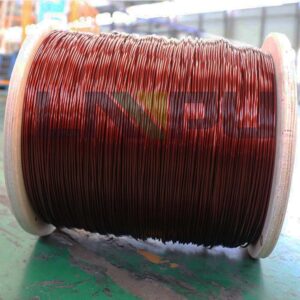
- Varnish film color is uniform and consistent, with no obvious color difference
- Surface is smooth with no bubbles, particles, or impurities
- No obvious varnish film peeling or scratches
Dimensional Measurement
- Conductor diameter meets specification requirements (measured with micrometer)
- Varnish film thickness is uniform (within standard range)
- Good roundness (conductor is standard circular shape)
Performance Testing
- Voltage resistance test (varnish film insulation strength)
- Flexibility test (varnish film doesn’t crack after bending)
- Adhesion test (varnish film doesn’t easily peel off)

Supplier Factory Inspection
If conditions permit, on-site factory inspection is very important:
Production Site Observation
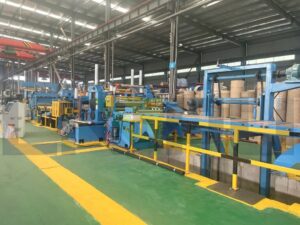
- Production line automation level
- On-site 5S management and cleanliness
- Employee operation standardization
- Equipment maintenance status
Quality Control Inspection
- Raw material inspection process
- Production process control points
- Finished product inspection procedures
- Non-conforming product handling methods
Management Assessment
- Employee work status
- Management professionalism
- Enterprise culture development
- Clarity of development plans
Steps to Establish Business Relationships
Supplier Screening Process
Systematically screen suppliers following these steps:
Step 1: Information Collection
- Collect potential supplier information through websites, exhibitions, industry associations, and other channels
- Create a candidate supplier list (3-5 suppliers recommended)
- Collect basic information for each supplier: qualification certificates, product catalogs, production capacity, etc.
Step 2: Preliminary Screening
- Conduct preliminary screening based on core standards (quality certification, production capacity, export experience, etc.)
- Eliminate suppliers that clearly don’t meet requirements
- Conduct preliminary communication with remaining suppliers to understand cooperation intentions
Step 3: Sample Testing
- Request samples from screened suppliers
- Conduct comprehensive quality testing
- Compare test results and select the supplier with best quality
Step 4: In-Depth Evaluation
- Conduct in-depth negotiations with the best candidate supplier
- Clarify cooperation terms, quality standards, and delivery arrangements
- Conduct factory inspection if necessary
Step 5: Small Batch Trial Order
- Place a small batch order first to test actual cooperation
- Evaluate delivery punctuality, product quality, and communication responsiveness
- Decide whether to establish long-term cooperation based on trial order results
Key Contract Negotiation Points
Before signing a formal contract, clarify the following key terms:
Product Specifications and Quality Standards
- Clarify product technical parameters (wire diameter, varnish film type, temperature resistance level, etc.)
- Determine quality inspection standards and judgment rules
- Specify quality dispute handling procedures
Delivery and Logistics Terms
- Clarify delivery time and location
- Determine trade terms (FOB, CIF, etc.)
- Specify transportation method and packaging requirements
Payment Terms
- Agree on payment method (letter of credit, wire transfer, etc.)
- Clarify payment time and proportions
- Specify advance payment and final payment terms
After-Sales Service Commitments
- Clarify responsibility definition for quality issues
- Specify handling deadlines and solution approaches
- Establish a framework agreement for long-term cooperation
Case Study Analysis
East African Transformer Manufacturer
A transformer manufacturer in Kenya faced challenges when selecting a Chinese enameled copper wire supplier. They initially chose the supplier with the lowest price, but experienced frequent product quality issues, leading to failures of their transformer products at customer sites and seriously damaging the company’s reputation.
Later, they re-evaluated their supplier selection criteria, focusing on the supplier’s export experience and third-party certification. They ultimately chose a supplier with many years of African export experience and strict quality control. Although the unit price was higher, product quality was stable and delivery was punctual, greatly reducing total long-term costs.
West African Motor Distributor
A motor parts distributor selling in Nigeria needed to procure various specifications of enameled copper wire to meet local maintenance market demands. They chose a supplier with a complete product specification range and support for small batch procurement.
This supplier not only provided diverse product specifications but also helped the customer optimize their procurement plan, reducing logistics costs through consolidated shipping. At the same time, the supplier’s technical support team could promptly respond to technical questions and help customers select the correct product specifications.
Conclusion
Selecting the right enameled copper wire supplier is one of the keys to success in the African market. Through systematic evaluation methods, strict quality testing, and clear cooperation terms, you can find a trustworthy long-term partner.
Remember, the lowest unit price is not always the best choice. Only by comprehensively considering product quality, supply stability, service capability, and cooperation integrity can you establish a truly valuable supply partnership and build a solid foundation for your African business development.
Contact Information
Email: office@cnlpzz.com
WhatsApp: 0086-19337889070
Website: www.lpwindingwire.com
This article was compiled by Zhengzhou LP Industry Co., Ltd., which has focused on the research and manufacturing of electrical magnet wire and special conductors for thirty years.