

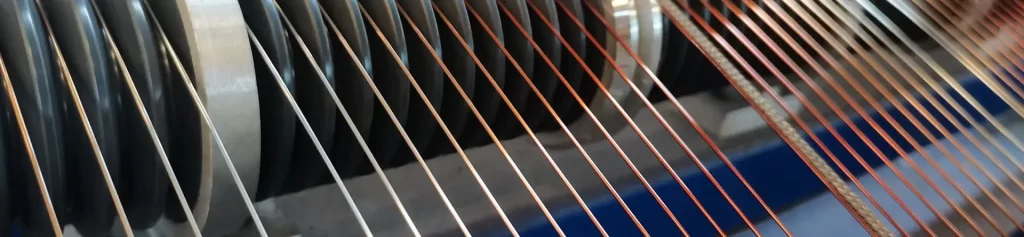
How to Strip Enamel Wire
Introduction
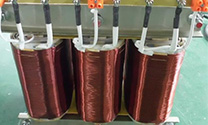
Enamel wire is widely used in motors, transformers and other electrical equipment, making it one of the most commonly used basic materials in electrical engineering. In applications such as electrical connections, soldering, and maintenance, enamel wire needs to be stripped to remove the insulating varnish film and expose the conductor for reliable electrical connections.
This article systematically introduces common methods and key techniques for stripping enamel wire, including thermal stripping, mechanical stripping, chemical stripping, and more, to help operators choose the appropriate method and master the correct operating skills.
Overview of Stripping Methods
The Necessity of Stripping
The insulating varnish film on enamel wire provides electrical isolation. Stripping is required in the following situations:
- Soldering Preparation: When soldering wire ends, the varnish film must be removed to achieve good solder joint bonding. Solder needs to directly wet the conductor surface to form a reliable solder joint.
- Terminal Connection: When using terminals or connectors, the exposed conductor portion needs varnish removal to ensure good electrical contact and minimize contact resistance.
- Wire Connection: When twisting multiple wires together, varnish must be removed to ensure reliable contact and avoid poor connection due to the insulating layer.
- Testing: When performing resistance measurements or other electrical tests, the conductor must be exposed for accurate measurements.
Main Stripping Methods
Currently commonly used stripping methods mainly include:
- Thermal Stripping: Uses high temperature to carbonize and burn the insulating varnish film, then removes carbon residue. Simple operation and high efficiency.
- Mechanical Stripping: Uses specialized blades or grinding wheels to physically remove the varnish film. High precision with minimal conductor damage.
- Chemical Stripping: Uses chemical solvents to dissolve the insulating varnish film. Suitable for precision applications but requires safety precautions.
- Laser Stripping: Uses laser energy to remove the varnish film. Highest precision but requires expensive equipment.
Thermal Stripping Method
Principle
Thermal stripping uses high temperature to carbonize and decompose the insulating varnish film, then removes carbon residue through mechanical friction or brushing. Common thermal stripping tools include thermal strippers and electric soldering irons.
Tools
- Thermal Stripper: Professional stripping tool with adjustable temperature and various stripping heads. Suitable for batch production with high efficiency.
- Electric Soldering Iron: Used with stripping heads or desoldering wick. Suitable for small batches or maintenance work. Flexible operation but lower efficiency.
Operation Steps
Step 1: Preparation
- Select appropriate stripping head based on enamel wire specifications (bore diameter should be slightly larger than wire outer diameter)
- Preheat thermal stripper to appropriate temperature (usually 300-400°C, specific temperature depends on varnish type)
- Prepare auxiliary tools such as scissors, tweezers, and brushes
- Check if thermal stripper is working normally
Step 2: Stripping Operation
- Insert wire into stripping head, ensuring complete coverage of varnish film
- Hold for 2-5 seconds (adjust based on varnish thickness and temperature) to carbonize the varnish
- Gently rotate the wire to ensure even carbonization
- Remove wire and brush away carbon residue
- Repeat if residue remains
Step 3: Inspection
- Check if conductor is fully exposed without varnish residue
- Confirm conductor has no damage or burrs
- Repeat stripping if varnish remains
- Proceed to next operation quickly to avoid conductor oxidation
Precautions
- High temperature can cause conductor oxidation and discoloration, affecting soldering quality
- Excessive stripping time may damage the conductor and reduce conductor strength
- Beware of burn hazards – do not touch hot stripping heads
- Keep workplace well-ventilated; carbonization smoke should be promptly exhausted
- Different varnish types require different stripping temperatures – adjust based on actual conditions
Mechanical Stripping Method
Principle
Mechanical stripping uses sharp blades or grinding wheels to physically remove the varnish film. This is the most precise stripping method with minimal thermal and mechanical stress on the conductor.
Tools
- Stripping Pliers: Manual tool suitable for single wire stripping. Simple operation but lower efficiency.
- Stripping Machine: Electric tool with adjustable cutting depth. Suitable for batch production.
- Abrasive Wheel Stripping Machine: Uses high-speed rotating abrasive wheels to grind away varnish. Suitable for fine wires and precision applications.
Operation Steps
Using Stripping Pliers
- Select appropriate bore diameter pliers based on wire specifications (bore should be slightly larger than conductor diameter but smaller than varnish outer diameter)
- Insert wire into pliers bore, ensuring correct position
- Grip handle firmly and rotate one full revolution
- Remove wire and gently pull to detach stripped varnish
- Check stripping quality; repeat if residue remains
Using Stripping Machine
- Adjust stripping length stop to set stripping length
- Set stripping depth (usually varnish thickness, adjust per wire specification)
- Insert wire into stripping position and align
- Press pedal to complete stripping
- Check stripping quality and confirm conductor is undamaged
Precautions
- Adjust appropriate cutting depth to avoid damaging the conductor
- Keep blades sharp; replace dull blades regularly
- Keep wire straight during operation to avoid uneven stripping
- Avoid crushing strands when stripping multi-strand wires
- Regularly clean equipment and remove blade debris
Chemical Stripping Method
Principle
Chemical stripping uses specialized chemical solvents to dissolve the insulating varnish film, then removes the dissolved material. This method causes no thermal or mechanical stress to the conductor.
Solvents
- Standard Enamel Wire Solvents: Such as acetone, toluene, xylene, effective on standard polyester enamel wire.
- Polyurethane Enamel Wire Solvents: Alcohol is effective on some polyurethane enamel wires.
- Polyimide Enamel Wire Solvents: Require specialized strong solvents such as N-Methylpyrrolidone (NMP).
Operation Steps
Step 1: Safety Preparation
- Wear protective gloves, goggles, and protective clothing
- Ensure workplace is well-ventilated (conduct in a fume hood if possible)
- Prepare neutralizing solution if needed
- Understand the MSDS of the solvent being used
Step 2: Chemical Treatment
- Immerse wire end in solvent, careful to only submerge the portion requiring stripping
- Wait appropriate time (usually 10 seconds to 1 minute depending on varnish thickness and solvent type)
- Remove wire and wipe or gently scrape softened varnish
- Repeat treatment or extend soaking time if residue remains
- Do not immerse the entire wire – only the portion being stripped
Step 3: Cleaning
- Rinse stripped portion with clean water to remove residual solvent
- Dry (wipe with dry cloth or use hair dryer)
- Check stripping quality
- Proceed to next operation immediately or apply anti-oxidation treatment
Precautions
- Most chemical solvents are flammable – keep away from fire sources
- Some solvents are toxic – protective measures are mandatory
- Must thoroughly clean conductor after chemical treatment to remove all residual solvent
- Waste liquid must be disposed of properly according to regulations
- Operators should understand the hazards of chemicals being used and take appropriate protective measures
Laser Stripping Method
Principle
Laser stripping uses laser energy to precisely remove the varnish film. The laser beam only acts on the varnish layer without damaging the conductor substrate.
Characteristics
- High Precision: Laser spot can be precisely controlled to remove varnish without damaging the conductor.
- High Efficiency: High degree of automation, can achieve high-speed batch production with automated equipment.
- Non-Contact: Non-contact processing avoids mechanical and thermal stress damage to conductors.
- Repeatable: Fixed processing parameters ensure precise repeatability and consistent processing quality.
Applications
- Precision electronic product wire processing
- High-end medical device cable manufacturing
- Aerospace special wire processing
- Other occasions with extremely high precision requirements
- Fine diameter wire (below 0.1mm) stripping
Stripping Methods for Different Varnish Types
Polyester Enamel Wire (PET)
Recommended Method: Thermal stripping or mechanical stripping
Characteristics: Polyester varnish heat resistance is approximately 130°C. Thermal stripping at 350-400°C can effectively carbonize it.
Polyurethane Enamel Wire
Recommended Method: Thermal stripping or chemical stripping (alcohol)
Characteristics: Polyurethane varnish can be directly removed by thermal stripping or dissolved with alcohol. Some polyurethane enamel wires can be soldered directly with an iron without pre-stripping.
Polyimide Enamel Wire (PI)
Recommended Method: Mechanical stripping or laser stripping
Characteristics: Polyimide heat resistance is up to 260°C. Thermal stripping requires higher temperatures which may affect conductor performance or cause oxidation discoloration.
Stripping Quality Inspection
Inspection Items
- Conductor Exposure: Conductor should be completely exposed without varnish residue. Use a magnifying glass to inspect.
- Conductor Damage: Conductor surface should be smooth without scratches, burrs, or deformation.
- Dimensional Compliance: Stripping length and position should meet requirements within allowable tolerance.
Common Quality Problems
| Problem | Cause | Solution |
|---|---|---|
| Varnish residue | Insufficient time or temperature | Increase time or temperature |
| Conductor discoloration | Temperature too high or time too long | Lower temperature or reduce time |
| Conductor scratches | Improper mechanical adjustment or dull blade | Adjust cutting depth or replace blade |
| Burrs | Dull blade or improper cutting angle | Replace blade or adjust angle |
| Conductor breakage | Mechanical cutting too deep | Adjust cutting depth |
Safety Precautions
Thermal Stripping Safety
- Beware of burn hazards from high-temperature tools
- Smoke from carbonization should be promptly exhausted; wear a mask if necessary
- Fire extinguishers should be available in the workplace
- Turn off thermal stripper promptly after use to prevent accidental burns
Mechanical Stripping Safety
- Beware of finger injuries from high-speed rotating blades
- Equipment should have safety guards ensuring blades are fully covered
- Stay focused during operation
- Regularly check equipment safety status
Chemical Stripping Safety
- Wear appropriate personal protective equipment (gloves, goggles, protective clothing)
- Keep workplace well-ventilated (conduct in a fume hood if possible)
- Keep chemicals away from children; store in a safe place
- Dispose of waste liquid properly; do not dump randomly
- Understand MSDS of chemicals being used and comply with relevant safety regulations
Conclusion
Enamel wire stripping is a common process in electrical manufacturing and maintenance. Correct stripping methods ensure the quality and reliability of electrical connections.
Choosing the appropriate stripping method requires comprehensive consideration of varnish type, precision requirements, production efficiency, cost, and other factors:
- Thermal Stripping: Simple operation and high efficiency, suitable for general applications. Currently one of the most widely used methods.
- Mechanical Stripping: High precision and minimal conductor damage, also one of the most widely used methods.
- Chemical Stripping: Suitable for precision applications but requires attention to safety and waste disposal.
- Laser Stripping: Highest precision but high equipment cost, mainly used in high-end precision fields.
In practical operation, select the most appropriate method based on specific circumstances and strictly follow operating procedures to ensure stripping quality and safe production.
Contact Information
Email: office@cnlpzz.com
WhatsApp: 0086-19337889070
This article was compiled by Zhengzhou LP Industry Co., Ltd., which has focused on the research and manufacturing of electrical magnet wire and special conductors for thirty years.