


The global market for enameled copper wire, also known as magnet wire or winding wire, represents a significant segment of the electrical manufacturing materials industry. This specialized product serves as a critical component in the production of electric motors, transformers, generators, and a wide range of electromagnetic devices that form the backbone of modern electrical infrastructure. Understanding global export statistics and market trends for enameled copper wire provides valuable insights for manufacturers, suppliers, and industry stakeholders seeking to navigate the complex international trade landscape for this essential material. The export patterns reflect broader manufacturing trends, regional industrial development, and the evolving global distribution of electrical equipment production.
This comprehensive guide examines the export statistics, major trading nations, and emerging trends shaping the global enameled copper wire market. The information presented here supports strategic decision-making for businesses involved in the production, trade, and application of magnet wire products.
Global Market Overview
The global enameled copper wire market represents billions of dollars in annual trade volume, reflecting the essential role this product plays in electrical equipment manufacturing worldwide. Asia-Pacific dominates global production and export volumes, with China serving as the largest single country producer and exporter. Other significant producing regions include North America, Europe, and select emerging markets with established manufacturing capabilities. Market value fluctuations track closely with copper prices, as copper constitutes the primary raw material cost component.
The relatively high weight-to-value ratio of enameled copper wire also makes transportation costs a significant factor in trade patterns. Long-term market growth follows the expansion of electrical equipment manufacturing, particularly in sectors such as automotive electrification, renewable energy, and industrial automation that drive demand for motors and transformers.
Major Producing Countries
The geographical distribution of enameled copper wire manufacturing reflects historical industrial development patterns and current competitive advantages. China has emerged as the dominant global producer, benefiting from large-scale manufacturing infrastructure, access to copper raw materials, and competitive production costs. Chinese manufacturers serve both domestic demand and extensive export markets. Japan, South Korea, and Taiwan maintain significant production capacity, focusing on high-quality specialty products for demanding applications including automotive and electronics sectors.
European and North American manufacturers continue to serve regional markets, with emphasis on quality, technical support, and specialized products for industrial applications requiring specific performance characteristics.
Export Statistics by Region
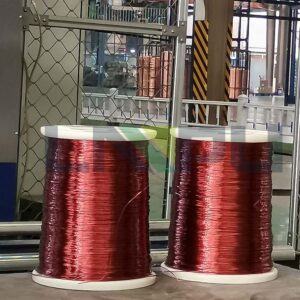
Asia-Pacific dominates global enameled copper wire exports, with the region accounting for the majority of international trade volume. China exports to markets worldwide, including North America, Europe, Southeast Asia, and other regions. Export values and volumes have grown substantially over recent decades as Chinese manufacturing capabilities expanded. Japan and South Korea maintain strong export positions in specialty products, with particular strength in high-performance enameled wire for automotive and electronics applications.
Southeast Asian nations have emerged as growing producers and exporters, benefiting from manufacturing investment and favorable trade arrangements.
European Export Patterns
European exports focus on high-value specialty products with technical differentiation, while competing in regional markets with quality and reliability advantages. Germany, Italy, and other major European manufacturing countries export significant volumes to neighboring countries within the region and to global markets seeking premium quality products. European export statistics reflect the regions emphasis on advanced manufacturing and specialized applications rather than commodity-grade products. Trade within Europe benefits from integrated supply chains and the absence of tariff barriers under regional trade agreements.
North American Export Patterns
North American exports primarily serve the Western Hemisphere, with the United States and Mexico functioning as integrated production bases for the regional market. Export volumes from North America are smaller than major Asian producers but focus on high-quality products for demanding applications including aerospace, automotive, and industrial equipment. The United States imports substantial volumes from Asia to meet domestic demand, creating a significant trade deficit in enameled copper wire products. Regional integration under trade agreements influences sourcing decisions and trade flows within North America.
Major Importing Markets
North America represents one of the largest regional markets for enameled copper wire, with imports meeting the majority of domestic demand. China serves as the primary source of imports, offering competitive pricing that offsets higher transportation costs. Import volumes have grown as domestic production capacity has not kept pace with demand growth. Mexico serves as both a significant importer and exporter, with trade flows reflecting the integrated North American manufacturing supply chain.
Import quality verification and anti-dumping considerations influence sourcing decisions in the North American market.
European Import Trends
Europe imports substantial volumes to supplement regional production, with sourcing patterns reflecting quality requirements and supply reliability. China has increased market share in European imports, offering competitive pricing for standard product grades. However, European manufacturers maintain strong positions in premium segments. Eastern European markets have grown as production bases for electrical equipment serving Western European markets, driving import demand from nearby Asian sources.
Quality standards and environmental regulations influence the types of products imported into European markets.
Emerging Market Import Growth
Emerging markets in Asia, Africa, and Latin America represent growing import markets as electrical infrastructure development expands. Southeast Asian markets have grown as manufacturing bases for electrical equipment, increasing regional trade flows within Asia. African markets show long-term growth potential as infrastructure development increases electricity access and drives demand for electrical equipment. Latin American markets source primarily from regional producers and Asian suppliers, with trade patterns reflecting historical relationships and geographic proximity.
Trade Policy and Tariff Considerations
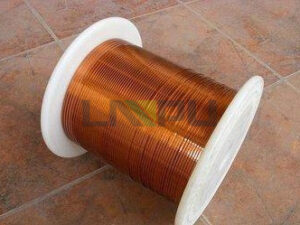
International trade in enameled copper wire is subject to tariff schedules that vary by country of origin and destination. Most-favored-nation tariff rates typically range from low single digits to moderate levels, though specific rates vary significantly across trading relationships. Preferential tariff arrangements under free trade agreements can substantially reduce effective tariff rates for qualifying products from partner countries. Anti-dumping duties in some markets affect competitive positioning of certain suppliers, particularly from China in markets where domestic industries have sought protection.
Non-Tariff Barriers
Technical standards, certification requirements, and quality regulations serve as non-tariff barriers that affect international trade patterns. Regional standards such as IEC specifications provide common technical foundations but national deviations create market fragmentation. Environmental regulations increasingly influence trade flows, with different standards for substances and manufacturing processes affecting market access. Certification and testing requirements add to the cost and complexity of entering new export markets.
Market Trends and Dynamics
Copper price fluctuations drive significant volatility in enameled copper wire pricing, affecting both export values and trade volumes. Rising copper prices increase the cost of production and export values, potentially reducing volume demand while increasing dollar denominated trade values. Price volatility complicates pricing decisions and contract negotiations, with suppliers and buyers managing risk through various mechanisms. Long-term copper price trends affect investment decisions in production capacity and influence the competitive position of different producing regions.
Quality Competition
Quality differentiation increasingly separates competitive positions in global markets, with premium products commanding price premiums. High-performance products for demanding applications require advanced manufacturing capabilities and rigorous quality control that not all producers can provide. Quality competition benefits buyers seeking reliable products for critical applications while putting pressure on commodity-grade producers. Brand reputation and supplier relationships influence premium pricing and customer loyalty in quality-sensitive markets.
Technology Evolution
Advances in manufacturing technology continue to improve production efficiency and product quality across the industry. Energy efficiency in production has become increasingly important as environmental concerns influence manufacturing decisions. Automation in manufacturing improves consistency and reduces labor costs, affecting the competitive position of different producing regions. Process innovations enable new product capabilities and improve the properties of existing products.
Regional Trade Flow Analysis
China-centric trade flows dominate global enameled copper wire commerce, with China serving as the primary source for most world markets. Export volumes from China have grown substantially as production capacity expanded, making China the largest single country exporter by a significant margin. Chinese exports serve diverse markets across all regions, with competitive pricing offsetting longer transportation distances. The concentration of production in China creates both opportunities and risks for global supply chain management.
Regional Integration Effects
Regional trade agreements and integrated manufacturing supply chains influence trade flow patterns within continental regions. European integration facilitates efficient intra-regional trade while maintaining borders with external producers. North American integration under regional trade agreements has established complex cross-border supply chains. Asian trade integration continues to deepen, with regional supply chains becoming increasingly interconnected.
South-South Trade Growth
Trade flows between developing countries have grown as emerging markets establish manufacturing capabilities. South-South trade in enameled copper wire reflects the geographic distribution of economic growth and manufacturing expansion. Chinese investments in production capacity in other developing countries have created new trade flow patterns. These trends reflect broader shifts in global economic power and manufacturing location.
Future Outlook
Continued growth in electrical equipment manufacturing will drive increased demand for enameled copper wire globally. Electric vehicle adoption accelerates demand for automotive motors and associated magnet wire requirements. Renewable energy expansion drives demand for generators and transformers in wind, solar, and energy storage applications. Industrial automation and electrification continue to expand demand across manufacturing sectors.
Supply Chain Evolution
Supply chain strategies continue to evolve in response to trade policy changes and risk management considerations. Regionalization trends encourage production capacity development in consuming regions to reduce trade policy exposure. Supplier diversification reduces concentration risk but may increase costs and complexity. Digitalization improves supply chain visibility and coordination across global networks.
Competitive Landscape Shifts
The competitive landscape continues to evolve as生产能力分布 changes and technology advances. Chinese manufacturers move up the value chain, increasing production of higher-quality and specialty products. Production capacity investment in other regions aims to capture regional market share and reduce import dependence. Innovation and differentiation become increasingly important competitive weapons as commodity competition intensifies.
Strategic Implications
Manufacturers must develop strategies that address the challenges and opportunities created by global trade dynamics. Production location decisions involve tradeoffs between cost competitiveness, market access, and supply chain risk. Product portfolio strategies should balance commodity volumes with differentiated specialty products that command premium pricing. Investment in automation and process improvement helps maintain competitiveness against lower-cost producers.
For Buyers
Buyers of enameled copper wire can leverage global competition to secure competitive pricing while ensuring quality and supply reliability. Supplier diversification reduces supply risk while requiring investment in supplier management and qualification. Long-term supplier relationships can provide pricing stability and priority allocation during tight supply conditions. Quality verification and incoming inspection remain important even with established suppliers to ensure consistent compliance.
For Investors
Investment decisions in the enameled copper wire industry should consider global trade dynamics and competitive positioning. Production capacity investment decisions depend on assessments of future demand growth and competitive positioning. Supply chain risk management capabilities influence the resilience of production operations to market disruptions. Technology and innovation capabilities affect long-term competitive viability in the industry.
The global enameled copper wire export market reflects the essential role this product plays in electrical equipment manufacturing worldwide. Trade patterns show concentration in Asia, particularly China, as the dominant producing region, while consumption spans all global markets. Understanding export statistics and trends provides valuable context for strategic decisions by manufacturers, suppliers, and buyers in the magnet wire industry. The dynamics of global trade, copper pricing, quality competition, and regional integration all influence market outcomes.
Future trends including electric vehicle adoption, renewable energy expansion, and supply chain regionalization will continue to shape global trade patterns. Stakeholders who understand these dynamics can make better-informed decisions about production location, sourcing strategies, and market positioning. The global enameled copper wire market will continue to evolve as industry structure changes and new demand drivers emerge. Staying informed about export statistics and trends supports effective navigation of this dynamic market environment.