

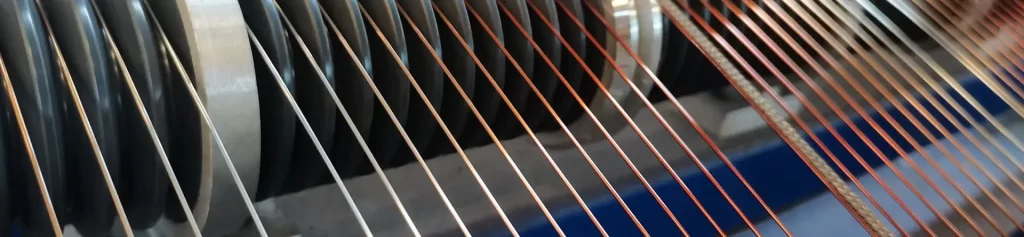
As a core component of electrical equipment, the performance of coils directly affects the operating efficiency and reliability of the entire system. Coils are typically made of wound conductors, and the insulation layer on the conductor surface is a key factor in ensuring the normal operation of the coil. Among many types of insulated conductors, fiberglass-coated conductors have become the preferred material for coil manufacturing due to their excellent heat resistance, good mechanical strength, and stable electrical properties. Fiberglass-coated conductors are made by wrapping one or more layers of glass fiber around the surface of bare conductors or enameled wires, followed by impregnation with insulating varnish. This composite insulation structure combines the high heat resistance of glass fiber with the sealing performance of insulating varnish, maintaining stable insulation characteristics even in harsh working environments. This article will systematically elaborate on the technical key points of fiberglass-coated conductors in the field of coils from the perspectives of material properties, specification selection, and typical applications.
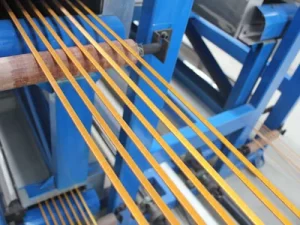
Properties and Classification of Fiberglass-Coated Conductors
Basic Definition
and Structure The core structure of fiberglass-coated conductors typically consists of three layers: a conductor, a base insulation layer, and a fiberglass wrapping layer. The conductor is generally pure copper or an aluminum conductor, responsible for current conduction; the base insulation layer can be fiberglass directly wrapped around the bare wire surface or wrapped around the enameled wire surface; the fiberglass wrapping layer is made of continuous long-filament glass fiber yarn, providing the main insulation protection and heat resistance. According to the international standard NEMA MW1000, electrical-grade continuous long-filament glass fiber is the core insulation material of fiberglass-coated conductors. This glass fiber has excellent electrical and mechanical properties and can maintain stable insulation characteristics in high-temperature environments. The wrapping method of the fiberglass layer can be divided into single wrapping and multiple wrapping. Single wrapping has a simple structure and lower cost; multiple wrapping provides higher insulation strength and better sealing performance. From the perspective of material composition, the insulation system of fiberglass-coated conductors belongs to a composite insulation structure. Glass fiber itself has excellent heat resistance, but gaps exist between its fibers. These gaps need to be filled by impregnating with insulating varnish to form a complete insulating whole. After impregnation, the voltage withstand capability and moisture resistance of glass fiber-coated conductors are significantly improved.
Main Performance Parameters
Heat Resistance: The thermal class of the glass fiber-coated conductor is the core indicator for its performance. According to NEMA standards, common thermal classes include 155, 180, and 200, corresponding to maximum operating temperatures of 155℃, 180℃, and 200℃, respectively. This characteristic makes glass fiber-coated conductors particularly suitable for high-temperature coil applications. Insulation Strength: The insulation strength of glass fiber-coated conductors typically ranges from 500-2000V/mm, with the specific value depending on the number of glass fiber layers, impregnation process, and conductor specifications. High-quality glass fiber-coated conductors, after impregnation, can form a uniform and dense insulation structure with excellent voltage withstand capability. Mechanical Strength: Glass fiber possesses high tensile strength and abrasion resistance. Glass fiber-coated conductors can withstand significant tension during winding, making them suitable for high-speed automated winding processes. Simultaneously, the glass fiber layer protects the conductor, preventing mechanical damage during handling and installation. Moisture Resistance: Unimpregnated glass fiber-coated conductors have relatively poor moisture resistance; capillary action between the glass fibers can allow moisture intrusion. After impregnation with high-quality insulating varnish, a continuous protective film forms on the conductor surface, significantly improving moisture resistance. Flexibility: The flexibility of glass fiber-coated conductors primarily depends on the conductor’s specifications and condition. Thinner conductors offer better flexibility and are easier to wind into complex coil shapes; thicker conductors require appropriate annealing to meet winding requirements.
Product Classification System
Classification by Conductor Material: Glass fiber-coated conductors can be divided into two main categories: copper conductors and aluminum conductors. Copper conductors offer superior conductivity and are suitable for high-current or high-efficiency applications; aluminum conductors are lightweight and low-cost, making them suitable for weight-sensitive or cost-controlled applications. Classification by Thermal Class: Based on the heat resistance of the insulation system, thermal classes are classified as 155, 180, 200, and 220, etc. The choice of thermal class depends on the actual operating temperature of the coil; generally, a class higher than the maximum operating temperature should be selected to ensure a safety margin. Classification by Structural Form: Thermal conductors can be divided into single-fiberglass-wound wires and composite-fiberglass-wound wires. Single-wound wires have fiberglass directly wrapped around the bare wire; composite-wound wires have fiberglass wrapped around the enameled wire, providing double insulation protection. The latter offers better insulation performance and surface finish. Classification by Cross-sectional Shape: Thermal conductors can be divided into round wires and flat wires. Round wire is the most common specification and is suitable for most conventional magnetic wire coils; flat wire has a higher fill factor, allowing more conductors to be accommodated in the same volume, making it suitable for applications with high space utilization requirements.
Selection of Fiberglass-coated Conductors
Thermal Class Selection
Selection The selection of the thermal class of a magnetic wire coil is a key decision in the design process. The following factors should be considered when selecting a coil: The operating temperature environment is the primary consideration. During operation, the magnetic wire coil generates heat due to copper losses, and the winding temperature may be tens of degrees higher than the ambient temperature. When selecting a coil, not only should the temperature under rated operating conditions be considered, but sufficient temperature margin should also be reserved to cope with possible overloads or poor heat dissipation. Based on industry experience, 155-grade fiberglass-coated conductors are suitable for coils in general industrial environments, such as ordinary relays and contactor coils; 180-grade conductors are suitable for applications with higher temperatures or heavier loads, such as high-power solenoid valves and industrial control equipment; 200-grade and above are suitable for high-temperature environments or special applications requiring high reliability. Heat dissipation conditions also affect the choice of thermal class. For applications with natural or forced air cooling, due to relatively poor heat dissipation conditions, a higher thermal class may be required; for oil-immersed or water-cooled transformer coils, heat dissipation conditions are better, and a relatively lower thermal class can be selected.
Conductor Specifications Determination
The selection of conductor specifications requires comprehensive consideration of both electrical performance and machining requirements. From an electrical perspective, the conductor cross-sectional area must meet the current density requirements. The current density of a coil is typically selected within the range of 2-5 A/mm², with the specific value depending on heat dissipation conditions and insulation class requirements. Choosing too high a current density will lead to increased temperature rise and decreased efficiency; choosing too low a current density will increase material costs and coil size. From a mechanical perspective, the conductor diameter must match the capabilities of the winding equipment. Automated winding machines typically have specific applicable range requirements for conductor diameter; conductors that are too thick or too thin may cause winding difficulties or quality problems. The smoothness of the conductor surface must also be considered; the surface of fiberglass-coated conductors is relatively rough, placing higher demands on the winding mold. The selection of rectangular conductors (flat wire) is more complex, requiring the determination of parameters such as width, thickness, and corner radius. Flat wire has a higher fill factor than round wire, but the winding process is correspondingly more difficult. When selecting flat wire, thorough communication with the coil manufacturer is essential to confirm whether their process capabilities meet the requirements.
Insulation Structure Selection
The choice of insulation structure for fiberglass-coated conductors directly affects the coil’s insulation performance and service life. A single fiberglass wrapping structure is suitable for general industrial applications. The advantages of this structure are relatively low cost and small diameter; the disadvantages are limited insulation strength and moisture resistance. Additional protective measures may be required when used in humid or corrosive environments. Composite insulation structures, which wrap fiberglass around enameled wire, provide double protection. This structure offers higher insulation strength, better surface finish, and superior moisture resistance. Although the cost is slightly higher, composite insulation structures are a more reliable choice for coils used in harsh environments. Impregnation is a crucial process for ensuring the insulation performance of fiberglass-coated conductors. High-quality impregnating varnish can completely fill the gaps between fiberglass fibers, forming a continuous and dense insulation layer. Common impregnation methods include vacuum impregnation and pressure impregnation, the latter achieving a more thorough impregnation effect.
Typical Applications Fiberglass-Coated Conductors in Coils
Industrial Solenoid Valve
Coils Solenoid valves are fundamental components in industrial automation control systems, widely used in hydraulics, pneumatics, water treatment, and other fields. Solenoid valve coils require fast response, high reliability, and resistance to harsh environments. The application of fiberglass-coated conductors in solenoid valve coils offers significant advantages. High thermal class can withstand the temperature rise caused by prolonged energization of the solenoid valve; excellent insulation performance ensures reliable operation of the coil in humid or oily environments; good mechanical strength ensures that the coil is not damaged under vibration or impact conditions. In hydraulic systems, the solenoid valve coil may operate immersed in hydraulic oil. The composite insulation structure of the fiberglass-coated conductor effectively prevents the hydraulic oil from corroding the insulation layer, extending the coil’s service life. In pneumatic systems, the coil needs to withstand the periodic pressure changes of compressed air, making the mechanical protection of the fiberglass layer particularly important. The winding process of the solenoid valve coil requires high precision. The surface of the fiberglass-coated conductor is relatively rough, requiring special attention to insulation between conductors during high-density winding. Simultaneously, tension control during winding is also crucial; excessive tension may damage the fiberglass layer, while insufficient tension will affect the coil’s fill factor.
Contactor and Relay Coils
Contactors and relays are among the most widely used electrical components in low-voltage power distribution systems and industrial control systems. Their coils, as driving elements, need to possess stable electrical performance and a long service life. Fiberglass-coated conductors are widely used in contactor and relay coils. These coils typically use Class 155 or 180 products, with round wire as the primary conductor specification. When designing and selecting, factors such as coil power consumption, temperature rise characteristics, and response speed need to be comprehensively considered. For contactor coils requiring frequent operation, the heat resistance of the fiberglass-coated conductor is particularly important. Each switching operation generates a certain temperature rise, and the cumulative effect may lead to insulation aging. Selecting a higher thermal class product can extend the coil’s lifespan and reduce maintenance costs. Relay coils are typically small in size and have low power consumption, but their reliability requirements are equally high. The stable insulation performance and reliable mechanical protection provided by fiberglass-coated conductors ensure stable operation of relays under various environmental conditions.
Electrical Control Cabinet
Components Electrical control cabinets use a large number of various electromagnetic components, such as electromagnetic brakes, electromagnetic clutches, and electromagnetic clamps. These components have different characteristics in their working principles and application scenarios, but they share common requirements for insulation materials. Electromagnetic brakes and electromagnetic clutches are commonly used in lifting, conveying, and other mechanical equipment. These applications are characterized by harsh working environments, potentially including vibration, dust, and oil contamination. The superior performance and reliable insulation strength of fiberglass-coated conductors enable stable operation in such environments. Electromagnetic clamps are widely used in machine tools and automated equipment. Their coils require rapid response and high reliability. Fiberglass-coated conductors not only meet electrical performance requirements but also possess good mechanical strength to withstand the impact forces during clamp movement.
Power Transformer Components
Certain special coil components used in power transformers, such as voltage regulating coils and tap changer coils, also employ fiberglass-coated conductors. These applications demand higher thermal class and insulation strength, typically selecting Class 180 or Class 200 products. Transformer coils operate in high-temperature environments and may experience localized overheating. High thermal class fiberglass-coated conductors can maintain stable insulation performance even under overheating conditions, ensuring safe equipment operation.
New Energy Vehicle Charging Equipment
With the rapid development of the new energy vehicle industry, the demand for electromagnetic components in charging equipment is increasing daily. Components such as contactors, relays, and solenoid valves in charging stations, on-board chargers, and other equipment are increasingly using fiberglass-coated conductors. The working environment of new energy vehicle charging equipment is relatively complex, potentially facing challenges such as high temperature, humidity, and vibration. Fiberglass-coated conductors, with their comprehensive performance advantages, can meet these stringent application requirements. Especially in high-power charging stations, coil heat dissipation and reliability issues are particularly prominent, making high-thermal-class fiberglass-coated conductors an inevitable choice.
Procurement and Quality Control Key Points
Supplier Selection
When selecting a fiberglass-coated conductor supplier, the focus should be on evaluating their production capacity and quality control level. Production equipment is the foundation of the evaluation. Advanced drawing equipment, wrapping units, and impregnation production lines ensure the production of high-quality products. In particular, the impregnation process directly affects the moisture resistance and insulation strength of the final product. Testing capabilities are equally important. Professional suppliers should possess complete testing equipment capable of conducting factory inspections of key conductor parameters. These parameters include conductor size, insulation thickness, withstand voltage, and thermal class. Certification status reflects the supplier’s quality management level. ISO 9001 quality management system certification is a basic requirement; products that have passed international certifications such as UL indicate that their quality has reached a higher standard.
Storage and Transportation
Special attention should be paid to moisture protection and mechanical damage prevention during the storage and transportation of fiberglass-coated conductors. Wires should be stored in a dry, well-ventilated warehouse to avoid moisture. Moisture can lead to decreased insulation performance and, in severe cases, quality issues with the finished coil. For wires requiring long-term storage, moisture-proof packaging is recommended. Handle with care during transport to avoid impacts or compression. Although the fiberglass layer has good mechanical strength, it can still be damaged by rough handling. Re-inspection before coil winding is a necessary quality control step.
Technological Development and Prospects
As electrical equipment develops towards higher efficiency, miniaturization, and higher reliability, fiberglass-coated wire technology is also continuously advancing. The application of new insulation materials is an important development direction. New materials with higher thermal class are constantly emerging, such as those for 200-class and 220-class products, whose reliability is continuously improving. At the same time, research on environmentally friendly insulation materials is also being deepened to meet increasingly stringent environmental regulations.
Improvements in manufacturing processes are also driving product performance enhancements. High-precision winding equipment enables more uniform fiberglass layer distribution; advanced impregnation processes achieve more thorough insulation filling. These technological advancements directly translate into improved product quality. The application range of composite insulation structures is expanding. Composite structures combining fiberglass with high-performance thin-film materials combine the advantages of both materials, meeting more demanding application requirements. This represents one of the development directions of insulated wire technology.
Summary
Fiberglass-coated conductors, with their excellent heat resistance, reliable insulation strength, and good mechanical properties, occupy an important position in the field of coil manufacturing. From industrial solenoid valves to new energy vehicle charging equipment, from electrical control cabinets to power transformer components, the application range of fiberglass-coated conductors is wide and continues to expand. During the selection process, a comprehensive evaluation should be conducted based on the operating temperature, heat dissipation conditions, and environmental factors of the specific application scenario to select the appropriate thermal class and insulation structure. High-quality products, combined with proper storage, transportation, and winding processes, are essential to ensure the final performance of coil products.