

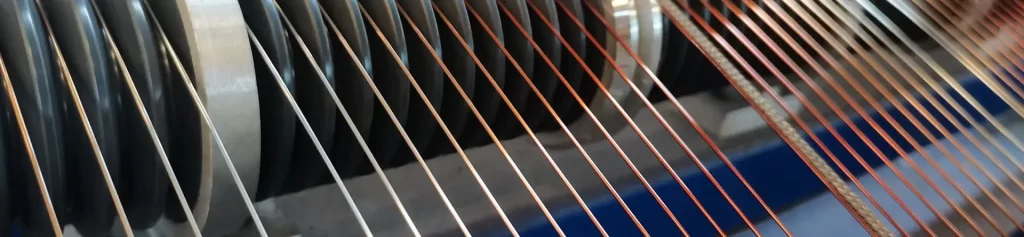
The renewable energy industry is experiencing unprecedented rapid development. The explosive growth in fields such as wind power generation, photovoltaic power generation, and electric vehicles has placed higher demands on the reliability, durability, and efficiency of electrical equipment. Fiberglass covered enameled wire, as a key material for high-temperature windings, plays an indispensable role in these new energy projects. Fiberglass covered enameled wire has excellent heat resistance, mechanical strength, and electrical insulation properties, capable of maintaining stable operation in harsh working environments. From wind power generators in the Gobi Desert to high-voltage transformers in desert photovoltaic power stations, from household electric vehicle charging piles to large-scale energy storage power stations, fiberglass covered enameled wire plays an important role.
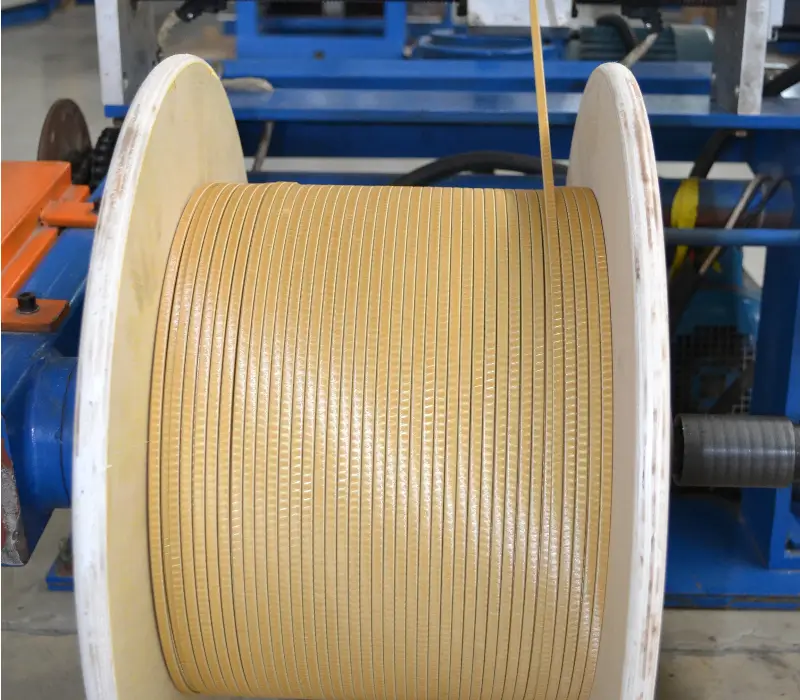
Industry Background of Renewable Energy
Global Energy Transition Trends
The global energy structure is undergoing profound changes. Renewable energy installed capacity continues to grow, with wind power and photovoltaic power generation becoming the main force for new power sources. Governments around the world are setting carbon neutrality goals to promote energy transition. According to data from the International Energy Agency, the share of renewable energy in the global electricity structure continues to rise. This trend directly drives the demand for related electrical equipment, including generators, transformers, converters, and more.
Strategic Position of Fiberglass Covered Wire
Fiberglass covered enameled wire is a key fundamental material for renewable energy equipment. Its performance directly affects key indicators such as generator efficiency, transformer life, and converter reliability. In the manufacturing of new energy equipment, the selection of fiberglass covered wire reflects the equipment manufacturer’s emphasis on product reliability. High-quality fiberglass covered wire can significantly extend equipment life and reduce maintenance costs.
Applications in Wind Power Generation
Characteristics of Wind Power Generator Windings
Wind power generator operating environments are harsh, placing extremely high requirements on winding materials. The temperature inside the nacelle can reach 60-80°C, and combined with heat generated by the motor itself, working temperatures often exceed 100°C. Strong nacelle vibration causes windings to experience periodic mechanical loads. The sea wind environment has high humidity and high salt spray concentration, requiring insulation materials with excellent moisture-proof and anti-corrosion capabilities. The unit capacity of wind power generators continues to increase, from early 1-2MW to today’s 5-15MW. The trend toward larger units places higher requirements on the current carrying capacity and heat resistance of winding materials.
Application of Fiberglass Covered Wire in Wind Power
| Component | Application |
|---|---|
| Stator Winding | Class H fiberglass covered flat copper wire |
| Permanent Magnet Winding | Fiberglass covered wire resists high-frequency current |
| Transformer Winding | Fiberglass covered flat copper wire |
Selection Points for Wind Power Applications
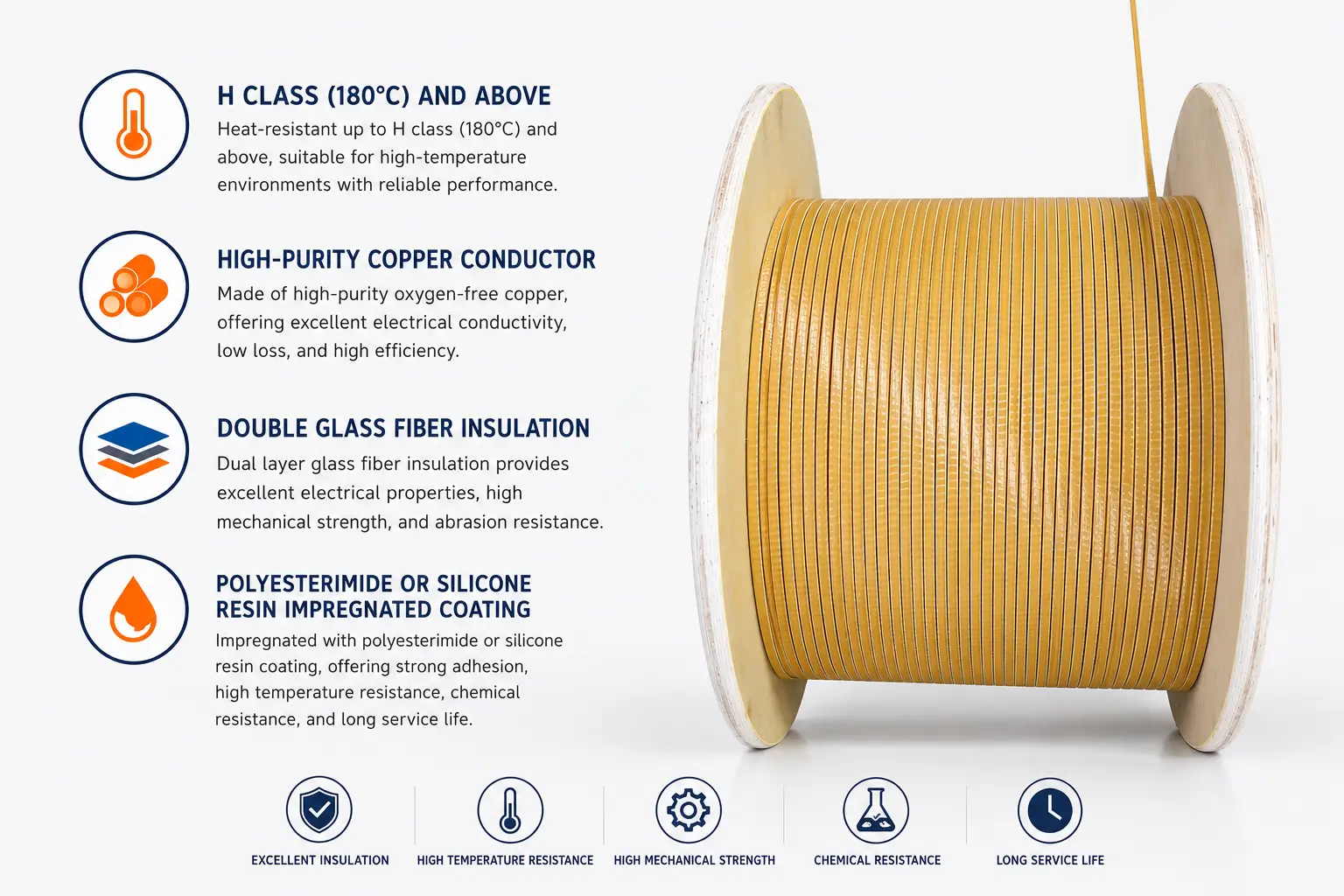
Fiberglass covered wire for wind power generators should meet the following requirements: thermal class H (180°C) or above, conductor using high-purity copper, insulation structure using double-layer fiberglass covering, impregnating varnish using polyester-imide or silicone. Typical specifications: large wind power generator stator windings often use flat copper wire with width 5-10mm and thickness 2-4mm. Round copper wire diameter is usually in the 2-5mm range.
Applications in Photovoltaic Power Generation
Characteristics of PV Inverters
PV inverters are the core equipment of PV power generation systems, converting DC power to AC power. The working temperature inside the inverter is high, and power electronic devices generate serious heat. Key winding components in PV inverters include: boost inductors, filter inductors, transformers, etc. These components have high requirements for the heat resistance and insulation strength of winding materials.
Application of Fiberglass Covered Wire in PV
Fiberglass covered wire is mainly used in the following scenarios in PV inverters: Boost transformer: PV module output voltage is low, and a boost transformer is needed to raise it to the grid voltage level. The boost transformer has high working temperature and strict insulation requirements. Filter reactor: The filter reactor at the output of the PV inverter needs to withstand high-order harmonic current. Fiberglass covered wire can withstand the temperature rise caused by current fluctuations. Energy storage transformer: In PV energy storage systems, transformers need to adapt to frequent charge-discharge working modes. The heat resistance and durability of fiberglass covered wire meet this requirement.
Special Requirements for PV Applications
PV power generation system operating environments have the following characteristics: large outdoor temperature variations (-30°C to +60°C), long-term continuous equipment operation, limited maintenance opportunities, clean energy image requiring environmental friendliness. Fiberglass covered wire in PV applications should satisfy: wide temperature range adaptability, long-life design, maintenance-free or low-maintenance, environmentally friendly materials.
Applications in Electric Vehicles
EV Drive Motors
EV drive motors have extremely high requirements for winding materials. Drive motors need to work under harsh conditions such as frequent start-stop, wide speed range, and high torque output. The characteristics of drive motors are high power density, high efficiency, severe vibration, and large temperature variations. Traditional enamelled wire is difficult to meet requirements under certain working conditions, and fiberglass covered wire provides a better solution.
Application of Fiberglass Covered Wire in EVs
| Application | Use |
|---|---|
| Drive Motor | High power density stator winding |
| Motor Controller | Reactor |
| On-board Charger | Transformer |
| DC-DC Converter | Magnetic components |
| Charging Pile/Station | Transformer, reactor |
Especially for high power density drive motors, the high heat resistance of fiberglass covered wire allows higher current density, thereby increasing power density.
Application in Charging Facilities
EV charging facilities have similar requirements for winding materials as drive motors. Transformers, reactors, and other components inside charging piles and stations need to withstand high power and long working hours. Transformers for high-power DC charging piles (fast charging) have high working temperatures and large load variations. Transformers using fiberglass covered wire can ensure long-term reliable operation.
Applications in Energy Storage
Role of Energy Storage Systems
Energy storage systems are a key supporting link for renewable energy. Energy storage systems can smooth out the variability of renewable energy generation and improve grid stability. Energy storage systems include various forms such as battery energy storage, pumped hydro storage, and compressed air energy storage. Among them, battery energy storage systems are the most widely used.
Application of Fiberglass Covered Wire in Energy Storage
Transformers, reactors, and other components in energy storage systems need to adapt to frequent charge-discharge cycles. Fiberglass covered wire plays an important role in energy storage equipment due to its heat resistance and durability. Especially for large energy storage power stations, with many equipment units and long continuous operation time, the reliability requirements for winding materials are extremely high. Fiberglass covered wire is one of the preferred materials.
Technical Advantages of Fiberglass Covered Wire
High Temperature Resistance
| Advantage | Description |
|---|---|
| High Temperature Resistance | Long-term operation above 180°C |
This heat resistance class is crucial for renewable energy equipment. Many new energy equipment is installed outdoors, and the equipment working temperature further increases in high summer temperature environments. The high heat resistance of fiberglass covered wire ensures reliable equipment operation in high-temperature environments.
Vibration Resistance
Wind power generators, electric vehicles, and other equipment have severe vibration environments. The glass fiber layer of fiberglass covered wire provides good mechanical protection and can withstand long-term vibration. The high elastic modulus of the glass fiber layer can absorb vibration energy and reduce damage to the conductor. The bonding effect of the impregnating varnish further enhances the stability of the overall structure.
Corrosion Resistance
Scenarios such as offshore wind power and coastal PV face salt spray corrosion. Fiberglass covered wire has excellent corrosion resistance and can work in salt spray environments for a long time. Glass fiber itself is an inert material and does not easily chemically react with acids, alkalis, and salts. The impregnating varnish layer further isolates the external environment from corroding the conductor.
Long Life Characteristics
Renewable energy equipment is typically designed for a service life of 20-25 years. The long-life characteristics of fiberglass covered wire highly match this requirement. The thermal aging life of fiberglass covered wire far exceeds that of traditional enamelled wire. Under normal working temperature, the service life can reach more than 20 years.
Selection Design Recommendations
Wind Power Generator Selection
| Application | Recommended Solution |
|---|---|
| Onshore Wind Power | Class H fiberglass covered flat copper wire, double-layer covering |
| Offshore Wind Power | Class H or above, enhanced anti-corrosion design |
| Large Centralized PV | Class H fiberglass covered wire |
| Distributed PV | Class F product usually sufficient |
| EV Drive Motor | Class H product, high conductivity copper conductor |
PV Inverter Selection
PV inverter fiberglass covered wire recommends selecting Class F (155°C) or Class H (180°C) products. Considering the working characteristics of PV inverters, fiberglass covered wire should have a wide working temperature range. For large centralized PV inverters, high power density is required, and Class H fiberglass covered wire is recommended. For distributed small inverters, Class F products usually meet the requirements.
EV Application Selection
EV drive motor fiberglass covered wire recommends selecting Class H (180°C) products. Considering the weight sensitivity of automotive applications, high conductivity copper conductors are recommended. For high power density drive motors, fiberglass covered wire can withstand higher current density and temperature rise, making it the preferred material.
Standards and Specifications
Wind Power Related Standards
Related standards in the wind power field include: IEC 61400 series (wind turbine design requirements), GB/T 25390 series (wind turbine national standards). The selection of fiberglass covered wire should meet the requirements of relevant standards for insulation class, heat resistance, and mechanical strength.
PV Related Standards
Related standards in the PV field include: IEC 62109 series (PV inverter safety requirements), UL 1741 (PV inverter safety standard). The application of fiberglass covered wire in PV inverters should meet the insulation and heat resistance requirements of these standards.
EV Related Standards
Related standards in the EV field include: IEC 61851-23 (EV conductive charging system), IEC 62196 (EV charging interface). The application of fiberglass covered wire in EV charging facilities should meet relevant standard requirements.
Development Trends
Offshore Wind Power Drives Technology Upgrade
Offshore wind power is an important direction for future wind power development. Offshore wind power unit capacity continues to increase, placing higher requirements on the heat resistance and corrosion resistance of winding materials. The application of fiberglass covered wire in offshore wind power will further expand. Products with high salt spray resistance and high heat resistance class will gain more market share.
High Power PV Inverter Demand
PV inverter unit power continues to increase. 1500V systems and 300kW+ single-unit inverters have more stringent requirements for winding materials. The application of fiberglass covered wire in high-power PV inverters will continue to grow. High-efficiency, high-reliability fiberglass covered wire products will be more favored.
Explosive Growth in New Energy Vehicles
The new energy vehicle market is experiencing explosive growth. Global new energy vehicle sales are expected to exceed 20 million units in 2025. The application of fiberglass covered wire in new energy vehicle drive motors and charging facilities will continue to expand. The demand for high power density and high efficiency fiberglass covered wire products is strong.
Energy Storage Industry Drives New Demand
The energy storage industry has entered a period of rapid development. Large-scale energy storage power stations and household energy storage systems have strong demand for winding materials. The application prospects of fiberglass covered wire in energy storage equipment are broad. High-durability, high-reliability products will be more welcomed by the market.
Challenges and Responses
Cost Challenge
Fiberglass covered wire has higher costs compared to ordinary enamelled wire. Under the pressure of pursuing low costs in the renewable energy industry, a balance needs to be found between performance and cost. Solutions include: optimizing production processes, scaled production to reduce unit costs, adopting new fiberglass weaving technology to reduce material costs.
Process Challenge
The production process of fiberglass covered wire is complex, requiring precise control of key parameters such as fiberglass weaving density, impregnating varnish coating uniformity, curing temperature and time. Solutions include: introducing automated production equipment, adopting advanced online testing technology, establishing comprehensive quality control systems.
Testing Challenge
Renewable energy equipment has stringent performance requirements for fiberglass covered wire. A comprehensive testing system needs to be established to evaluate the heat resistance, insulation, mechanical, and other properties of products. Solutions include: establishing dedicated new energy application testing platforms, referring to relevant industry standards to formulate enterprise standards, strengthening cooperation with third-party testing agencies.
Supplier Selection Recommendations
Technical Capability
Choose fiberglass covered wire suppliers with new energy application experience. Suppliers should have comprehensive R&D capabilities and be able to customize products according to customer needs.
Quality Control
Suppliers should establish comprehensive quality control systems. Full-process quality control from raw materials to finished products is the guarantee of product quality.
Delivery Capability
New energy projects usually have tight time requirements. Suppliers should have the ability to respond quickly and deliver on time to meet project schedule requirements.
Service Capability
Suppliers should provide professional technical support. Including selection suggestions, application solutions, problem solving, and other comprehensive services.
Summary
Fiberglass covered enameled wire is an indispensable key material for renewable energy projects. It has wide applications in fields such as wind power generation, photovoltaic power generation, electric vehicles, and energy storage. With the continuous development of the renewable energy industry, the application prospects of fiberglass covered wire are broad. High-temperature-resistant, highly durable, and highly reliable fiberglass covered wire products will be more favored by the market. Choosing suitable fiberglass covered wire suppliers, determining correct product specifications, and establishing comprehensive quality control systems are important factors in ensuring the success of renewable energy projects. In the future, fiberglass covered wire technology will continue to upgrade, providing strong support for the sustainable development of the renewable energy industry.