

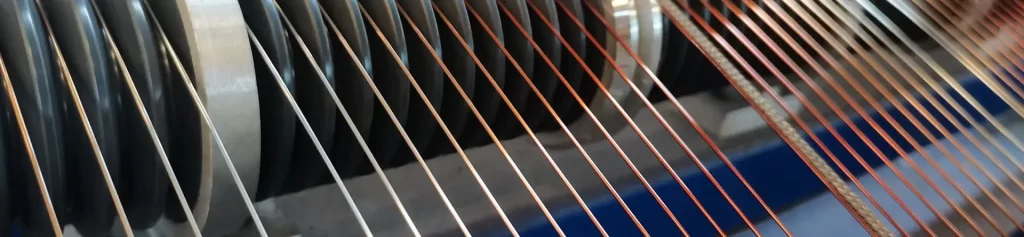
Fiberglass covered wire represents one of the most versatile and reliable insulation solutions available for electrical equipment manufacturers. This specialized magnet wire product combines excellent electrical properties with exceptional thermal and mechanical performance, making it the material of choice for demanding applications across industries ranging from power generation to aerospace engineering. The widespread adoption of fiberglass covered wire in critical electrical equipment reflects the unique combination of features and advantages that this material system provides. Understanding these characteristics helps engineers and designers select appropriate materials and optimize equipment designs for reliability and performance.
This comprehensive guide examines the key features and advantages of fiberglass covered wire, explaining how these characteristics benefit specific applications and how they compare to alternative insulation solutions. The information presented here supports informed material selection decisions and helps maximize the benefits of using fiberglass covered wire in electrical equipment.
Exceptional Thermal Performance
The thermal capability of fiberglass covered wire distinguishes it from most alternative insulation materials, enabling equipment design with higher power density or operation in more demanding thermal environments. Fiberglass insulation systems typically achieve thermal class ratings from 155 to 220 degrees Celsius, significantly higher than conventional enamel insulation that may be limited to 120 to 180 degrees Celsius depending on the specific formulation. This thermal margin enables operation at higher temperatures or longer life at equivalent temperatures. The high thermal capability results from the inherent stability of glass fibers combined with high-performance thermosetting resin systems.
Neither component alone provides this level of thermal performance; the composite structure achieves thermal capability exceeding either material individually. Equipment designers can exploit this thermal capability to achieve higher power ratings within a given frame size, or to provide enhanced reliability margin against unexpected thermal excursions.
Thermal Cycling Tolerance
Fiberglass covered wire tolerates repeated thermal cycling better than many alternative insulation materials, making it suitable for applications involving frequent temperature changes. The differential thermal expansion between conductor and insulation creates cyclic stresses that can damage less tolerant materials. The fiberglass composite structure accommodates these stresses without cumulative degradation when properly manufactured and impregnated. Rapid temperature changes, known as thermal shock, impose particularly severe stresses that some insulation materials cannot tolerate.
Fiberglass covered wire handles thermal shock well when designed and manufactured appropriately. Applications involving daily start-stop cycles, seasonal temperature variations, or fault conditions with rapid temperature changes benefit from the thermal cycling tolerance of fiberglass insulation.
Long-Term Thermal Stability
The thermal aging characteristics of fiberglass insulation enable reliable equipment operation spanning decades, with properties that degrade gradually and predictably over time. Accelerated aging tests demonstrate that fiberglass insulation maintains adequate properties over service lives exceeding twenty years at rated temperature conditions. This longevity reflects the inherent stability of the glass fiber and the careful formulation of the resin system. Unlike some materials that fail catastrophically after a specific aging threshold, fiberglass insulation exhibits gradual property changes that can be monitored and predicted using established models.
This behavior supports condition-based maintenance approaches. The thermal stability of fiberglass covered wire makes it suitable for equipment with long expected service lives, such as power transformers and large motors in critical infrastructure.
Superior Electrical Properties
The dielectric strength of fiberglass insulation provides generous voltage withstand capability that enables reliable operation at voltage stress levels that would challenge less capable materials. Dielectric strength values for fiberglass insulation typically range from 15 to 20 kilovolts per millimeter in air-dry conditions, with further improvement when the insulation is properly impregnated with varnish or resin. This high strength enables thinner insulation for a given voltage rating or higher voltage capability for a given insulation thickness. The dielectric strength remains stable across the normal operating temperature range, unlike some materials that exhibit significant degradation at elevated temperatures.
This stability simplifies design and provides consistent performance throughout the operating temperature range. Voltage endurance characteristics demonstrate that fiberglass insulation tolerates sustained overvoltage conditions without rapid degradation, providing safety margin against abnormal operating conditions.
Low Dielectric Losses
The dissipation factor of properly cured fiberglass insulation is low across the power frequency range, minimizing dielectric heating and maintaining high efficiency in AC applications. Dissipation factor values for fiberglass insulation typically remain below 0.01 at power frequencies, indicating minimal energy loss in the insulation system. This low loss contributes to the overall efficiency of electrical equipment. The dissipation factor does not increase dramatically with temperature in the normal operating range, unlike some alternative insulation materials.
This stable loss characteristic simplifies thermal design and ensures consistent efficiency across operating conditions. High-frequency applications benefit from the relatively stable dissipation factor of fiberglass insulation, though specific high-frequency designs may require consideration of frequency-dependent effects.
High Insulation Resistance
The insulation resistance of fiberglass covered wire provides effective isolation between conductors and ground, preventing leakage currents that could compromise equipment performance or safety. Insulation resistance values typically exceed 100 megohms per kilometer under standard test conditions, indicating excellent绝缘完整性. This high resistance ensures minimal leakage current flow through the insulation system. Insulation resistance remains stable over time and temperature in properly manufactured and installed equipment, unlike some materials where resistance degrades significantly with moisture absorption or thermal aging.
The high insulation resistance of fiberglass insulation enables reliable operation even in humid environments when the winding is properly sealed or impregnated.
Mechanical Strength and Durability
The mechanical strength of fiberglass covered wire enables reliable winding manufacturing and lasting service performance under mechanical stresses from thermal expansion, electromagnetic forces, and vibration. Tensile strength sufficient to withstand winding tension and subsequent handling ensures that the wire can be processed without damage. The combination of strong conductor and reinforced insulation provides robust mechanical integrity. Compressive strength enables the winding to withstand electromagnetic forces during short circuits and other abnormal conditions without permanent deformation or insulation damage.
The mechanical properties remain adequate across the full operating temperature range, unlike some materials that become embrittled at low temperatures or lose strength rapidly at elevated temperatures.
Abrasion and Cut-Through Resistance
The toughness of fiberglass insulation provides protection against mechanical damage during manufacturing, installation, and service that could compromise less resistant materials. Abrasion resistance protects the insulation from damage during handling and winding operations, reducing the risk of insulation failures from manufacturing defects. This protection continues throughout service as the winding experiences vibration and movement. Cut-through resistance prevents insulation penetration from point loads or impacts that could create paths for short circuits.
The composite structure of fiberglass insulation provides better cut-through resistance than many alternative materials. These mechanical protective characteristics contribute to the long service life that characterizes fiberglass insulated equipment in demanding applications.
Vibration and Dynamic Stress Tolerance
Fiberglass covered wire tolerates continuous vibration and dynamic mechanical stresses better than most alternative insulation materials, making it suitable for motors, generators, and other equipment subject to continuous mechanical stress. Properly impregnated fiberglass windings form a solid mass that resists the relative movement between wires that causes insulation damage in less robust systems. The glass fiber reinforcement contributes to this resistance against fatigue from cyclic stress. Resonance conditions that could amplify vibration stress are accommodated without immediate damage, though proper design should avoid operating frequencies that excite resonant modes.
Long-term vibration fatigue resistance enables decades of reliable service in demanding applications such as large motors, generators, and traction equipment.
Environmental Resistance
When properly impregnated, fiberglass covered wire provides effective barrier against moisture penetration that could degrade electrical properties and accelerate aging. The glass fiber structure itself does not absorb moisture, unlike cellulose-based insulation materials. The resin matrix and any overcoat provide additional moisture barriers when properly formulated and applied. Moisture resistance simplifies storage and handling requirements compared to more moisture-sensitive alternatives, reducing the risk of degradation from improper storage conditions.
Sealed or encapsulated constructions maximize moisture protection for equipment operating in humid or outdoor environments.
Chemical Resistance
Fiberglass insulation demonstrates good resistance to common industrial chemicals, oils, and solvents that could degrade less resistant materials in demanding service environments. The specific chemical resistance depends on the resin system chosen, with different formulations offering different chemical compatibility profiles. Epoxy systems generally provide good all-around chemical resistance, while specialty resins offer enhanced resistance for specific chemicals. This chemical resistance enables fiberglass insulated equipment to operate reliably in industrial environments where exposure to process chemicals, cleaning solvents, or petroleum products might compromise alternative insulation materials.
Fire Resistance
Fiberglass insulation provides inherent fire resistance that contributes to overall equipment safety in applications where fire hazards are a concern. Glass fiber does not burn, as it is an inorganic material. The resin component may burn under extreme fire conditions, but the glass fiber matrix remains intact and continues to provide some insulation function. Fire-resistant formulations that use specialty resins or mineral fillers can further enhance the fire performance of fiberglass insulation for demanding applications.
The fire resistance of fiberglass covered wire contributes to the safety of electrical equipment in applications ranging from building infrastructure to transportation and aerospace.
Application Versatility
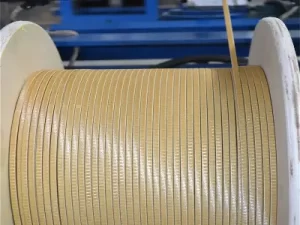
Fiberglass covered wire is produced in voltage ratings spanning from low-voltage applications through high-voltage equipment, providing versatile solutions across the full voltage spectrum. Low-voltage applications benefit from the mechanical and thermal advantages of fiberglass insulation without requiring the special high-voltage construction techniques needed for some alternative materials. Medium-voltage applications leverage the excellent voltage endurance and partial discharge resistance of fiberglass insulation to achieve reliable long-term performance. High-voltage applications, particularly in transformers and reactors, use oil-impregnated fiberglass insulation systems that have been proven in decades of reliable service.
Multiple Conductor Options
Fiberglass covered wire is available with copper or aluminum conductors, enabling optimization of conductor selection based on conductivity requirements, weight constraints, and cost considerations. Copper conductors provide higher electrical conductivity per unit cross-section, enabling more compact designs for applications where space is at a premium. Aluminum conductors offer significant weight reduction and cost savings for applications where these factors dominate the design tradeoffs. The fiberglass insulation system performs effectively with either conductor material, providing consistent benefits regardless of the conductor choice.
Customization Capabilities
Fiberglass covered wire can be customized to meet specific application requirements through variations in glass type, resin system, wrap configuration, and additional protective coatings. Specialty glass compositions provide enhanced thermal capability or improved mechanical properties for demanding applications. Different resin systems offer optimized performance for specific environmental conditions or temperature requirements. Additional overcoats can enhance specific properties such as moisture resistance, chemical resistance, or flexibility.
Cost-Effectiveness and Value
The initial cost of fiberglass covered wire is higher than some conventional insulation materials, reflecting the quality and performance characteristics of the raw materials and manufacturing processes involved. However, the cost premium for fiberglass insulation must be evaluated against the total cost of ownership including initial equipment cost, maintenance requirements, and expected service life. For applications where the thermal, mechanical, or electrical advantages of fiberglass insulation are essential, the initial cost premium is often justified by the benefits provided. High-volume production of fiberglass covered wire has achieved cost levels that make it competitive with alternative materials even in cost-sensitive applications.
Total Cost of Ownership Benefits
The long service life, reduced maintenance requirements, and enhanced reliability of fiberglass insulated equipment often result in lower total cost of ownership compared to alternatives that may have lower initial cost but higher lifecycle expenses. Equipment downtime costs, maintenance labor, and replacement costs over the equipment life often favor the higher initial investment in quality insulation materials. The reduced risk of insulation failure with fiberglass covered wire provides insurance against the potentially catastrophic costs of motor or transformer failure in critical applications. Life cycle cost analysis should be performed for applications where insulation cost is a significant portion of total equipment cost to ensure appropriate material selection.
Performance-to-Cost Ratio
The exceptional combination of thermal, electrical, and mechanical properties that fiberglass covered wire provides delivers outstanding performance value relative to many alternative materials. Higher power density designs achievable with fiberglass insulation can reduce the size and cost of the complete equipment package, partially or fully offsetting the insulation cost premium. The reliability margin provided by fiberglass insulation reduces the risk of costly failures and the associated expenses of emergency repairs, lost production, and reputational damage.
Quality Assurance and Standards
Fiberglass covered wire is manufactured to meet recognized industry standards that ensure consistent quality and performance across manufacturers and product lines. IEC standards define international requirements for magnet wire products including fiberglass covered constructions, providing a common basis for specification and acceptance. NEMA standards address specific product types and testing requirements common in North American markets, complementing international standards. Compliance with these standards provides assurance that products will perform as specified in demanding applications.
Testing and Verification
Comprehensive testing verifies that fiberglass covered wire meets specifications for electrical, mechanical, and thermal properties before shipment to customers. Dielectric testing confirms voltage withstand capability of the insulation system. Mechanical testing verifies flexibility, tensile strength, and other mechanical properties. Thermal testing confirms thermal class rating and thermal aging characteristics.
Traceability and Documentation
Quality systems provide traceability from raw materials through manufacturing to the finished product, enabling problem diagnosis and continuous improvement. Manufacturing records document process conditions that affect product properties. Test certificates provide verification that products meet specifications. Traceability supports quality assurance requirements in critical applications.
Conclusion
The features and advantages of fiberglass covered wire combine to create an insulation material system that provides exceptional value in demanding electrical equipment applications. The thermal capability, electrical performance, mechanical strength, and environmental resistance of this material enable equipment designs that outperform alternatives across multiple dimensions. The thermal performance advantages enable higher power density, longer life, and greater reliability in thermal demanding applications. The electrical properties provide generous voltage withstand capability and stable performance across operating conditions.
The mechanical strength and durability ensure reliable performance through manufacturing, installation, and decades of service. The environmental resistance protects against moisture, chemicals, and other degrading factors. The cost-effectiveness of fiberglass covered wire must be evaluated on a total cost of ownership basis, considering initial cost, maintenance requirements, reliability, and expected service life. For applications where performance and reliability are paramount, fiberglass insulation often provides the best overall value despite potentially higher initial cost.
Understanding the features and advantages of fiberglass covered wire enables engineers and designers to fully leverage the capabilities of this material system, creating equipment designs that achieve optimal balance of performance, reliability, and cost-effectiveness for their specific applications.