

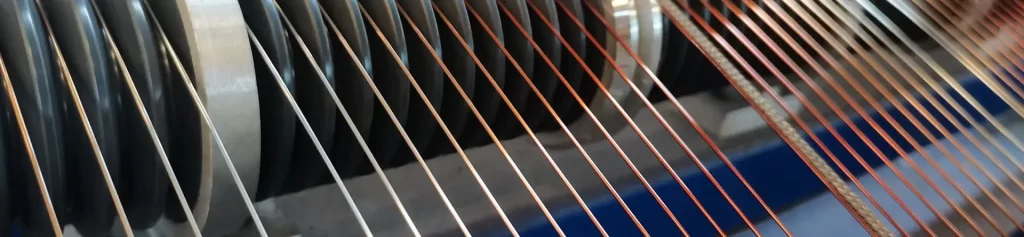
The selection between enameled copper wire and enameled aluminum wire represents one of the most fundamental decisions in electrical equipment design, affecting cost, performance, weight, and reliability across a wide range of applications. Both materials offer distinct advantages and limitations that make each suitable for different operating conditions and economic contexts. Understanding the comparative characteristics of these two materials enables engineers and designers to make informed decisions that optimize the balance between performance requirements and cost considerations. This comparison examines the properties, advantages, limitations, and application suitability of both enameled copper wire and enameled aluminum wire.
This comprehensive guide provides the technical foundation for making material selection decisions, whether for motors, transformers, or other electromagnetic devices. The choice between these materials has lasting implications for equipment performance and total cost of ownership.
Electrical Conductivity Comparison
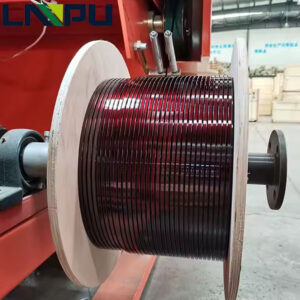
Copper stands as the benchmark conductor material against which all others are compared, offering the highest electrical conductivity among common engineering metals. Copper conductivity measures approximately 5.96 × 10⁷ siemens per meter at room temperature, providing superior current-carrying capacity in compact dimensions. This high conductivity enables smaller conductor cross-sections for equivalent current ratings. The lower resistance of copper conductors reduces I²R losses in applications where energy efficiency is paramount.
These losses convert electrical energy to heat, increasing operating costs and requiring additional thermal management. Copper maintains stable conductivity across the temperature range typical of electrical equipment operation, with conductivity decreasing predictably as temperature increases. This predictable behavior enables accurate thermal design and performance modeling.
Aluminum Conductivity Characteristics
Aluminum conductivity reaches approximately 3.50 × 10⁷ siemens per meter, which is about 59 percent of copper conductivity on a volume basis. This fundamental difference drives many of the comparative advantages and disadvantages between the materials. To carry equivalent current, aluminum conductors must have approximately 69 percent larger cross-sectional area than copper conductors. This larger size affects slot fill, winding geometry, and overall equipment dimensions.
The conductivity ratio between aluminum and copper remains relatively stable across the normal operating temperature range, enabling consistent performance modeling despite the absolute conductivity difference. Aluminum conductivity improves at lower temperatures, providing relatively better performance in cryogenic applications compared to room temperature operation.
Weight Considerations
The weight comparison between aluminum and copper reflects both the density difference and the required cross-sectional area adjustment for equivalent conductivity. Copper density of 8.89 g/cm³ is approximately 3.27 times greater than aluminum density of 2.70 g/cm³. Even with the larger cross-section required for aluminum, weight savings remain substantial. An aluminum conductor carrying equivalent current weighs approximately 50 percent less than the copper alternative.
This weight advantage drives selection in weight-sensitive applications including transportation and aerospace. The combination of lower density and adequate conductivity makes aluminum attractive for applications where reducing moving mass improves overall system efficiency.
Weight Impact on Applications
Weight considerations influence material selection differently across application types, with some applications benefiting significantly from aluminum weight reduction. Electric vehicle motors benefit from reduced coil weight, contributing to overall vehicle weight reduction that extends driving range or allows greater payload capacity. Aerospace applications prioritize weight reduction in all components, making aluminum windings attractive where space permits the larger conductor dimensions. Large stationary equipment may place less emphasis on weight, making the weight advantage of aluminum less influential in material selection decisions.
Cost Analysis
Material cost represents the most significant factor driving the selection decision between aluminum and copper for many applications. Copper prices fluctuate significantly based on global commodity markets, mining production, and demand from multiple industries including electrical, construction, and transportation. Aluminum prices also fluctuate but typically track copper prices at a fraction of the cost per unit weight. The historical copper-to-aluminum price ratio has ranged from 3:1 to 5:1, meaning copper typically costs three to five times more than aluminum by weight.
For large equipment where conductor material represents a significant portion of total cost, the material cost difference can substantially impact equipment pricing and project economics.
Total Cost of Ownership
Total cost comparison extends beyond initial material cost to include manufacturing, transportation, and operational factors. Manufacturing costs may be higher for aluminum due to the larger conductor dimensions requiring more insulation material and larger slot or housing dimensions. Transportation costs favor aluminum because the lighter weight reduces shipping expenses, particularly for large equipment shipped over long distances. Operational efficiency differences affect ongoing energy costs, with copper efficiency advantages potentially offsetting higher initial material costs over the equipment lifetime.
Thermal Properties
Thermal characteristics influence how each material performs in high-temperature environments and thermal cycling conditions. Both materials are available with high-temperature insulation systems appropriate for their respective thermal capabilities. The insulation system, not the conductor material, typically determines the maximum operating temperature rating. Aluminum experiences greater thermal expansion relative to copper, which affects coil bracing and connection design in thermal cycling applications.
The thermal conductivity of aluminum is approximately twice that of copper, which can provide better heat dissipation from the winding under some conditions.
Thermal Expansion Effects
Differential thermal expansion between conductors and surrounding materials creates mechanical stress during temperature cycling. Aluminum thermal expansion coefficient of 23 × 10⁻⁶ per °C exceeds copper at 17 × 10⁻⁶ per °C, creating greater dimensional changes during heating and cooling cycles. Connection designs must accommodate the differential expansion behavior of aluminum compared to copper terminations and surrounding structural materials. Repeated thermal cycling fatigue affects both materials but with different stress magnitudes and failure modes.
Mechanical Properties
Mechanical properties influence manufacturing processes and operational reliability under mechanical stress conditions. Copper tensile strength of approximately 210 MPa in the soft annealed condition provides adequate strength for most winding applications. The material work-hardens during processing, increasing strength in the final product. Aluminum tensile strength of approximately 90 MPa in the soft annealed condition requires larger conductor cross-sections to withstand mechanical stresses during manufacturing and operation.
Both materials offer excellent ductility that enables drawing to fine diameters and forming into complex coil geometries without cracking.
Fatigue Resistance
Fatigue behavior under cyclic loading affects reliability in applications involving frequent start-stop cycles or load variations. Copper fatigue resistance exceeds aluminum in most testing conditions, providing better performance in applications with severe duty cycles. Aluminum fatigue life improves at higher stress ratios, but copper remains superior for most comparative test conditions. The cumulative effect of fatigue damage over many cycles may favor copper in demanding applications with millions of operating cycles.
Connection and Termination Challenges
Aluminum connections require special attention to prevent problems that have historically affected aluminum wire reliability. Galvanic corrosion occurs when aluminum contacts dissimilar metals in the presence of moisture, requiring appropriate plating or isolation to prevent connection degradation. Cold flow and creep in aluminum at connection points can loosen mechanical connections over time, requiring hardware designed for aluminum wire characteristics. Anti-oxidant compounds applied at connections prevent oxide formation that increases contact resistance and causes heating.
Connection Design Best Practices
Proper connection design ensures reliable performance regardless of conductor material selection. Threaded and compression connections sized for the specific conductor material ensure adequate contact pressure without damaging the conductor. Soldering and brazing processes must account for the different melting points and surface characteristics of aluminum compared to copper. Regular inspection and maintenance of connections identifies developing problems before they cause equipment failures.
Application Suitability
Motor winding applications present different material selection criteria depending on motor size and duty requirements. Large industrial motors frequently use aluminum windings to achieve cost reductions that outweigh any performance trade-offs in applications where space is not constrained. Small motors for appliances, power tools, and consumer electronics typically use copper to achieve required performance in compact dimensions. Premium efficiency motors may benefit from copper windings to achieve the lowest losses and highest efficiency ratings.
Transformer Applications
Transformer windings represent the largest established application for aluminum wire, with decades of proven reliability. Distribution transformers commonly use aluminum windings as the standard specification, achieving cost reductions that benefit utility economics and electricity pricing. Power transformers above certain size thresholds use aluminum windings for similar economic reasons, despite the larger core and tank dimensions required. The established practice in the transformer industry demonstrates that aluminum windings provide reliable performance in demanding electrical applications.
Specialty Applications
Specialized applications may favor one material based on unique requirements beyond simple cost or conductivity comparisons. Cryogenic applications may benefit from aluminum where the improved low-temperature conductivity reduces operating losses in superconducting or low-temperature systems. High-frequency applications have different skin effect characteristics that influence material selection, with proximity effects differing between aluminum and copper conductors. Portable equipment benefits from aluminum weight reduction that improves portability and ease of handling during installation and maintenance.
Quality and Performance Standards
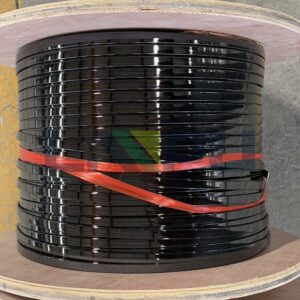
Both enameled copper wire and enameled aluminum wire must meet applicable industry standards for electrical and mechanical performance. IEC standards define properties for enameled winding wire including dimensions, electrical properties, mechanical characteristics, and thermal endurance. NEMA standards provide additional specifications commonly referenced in North American markets. Application-specific standards for automotive, aerospace, or medical devices may impose additional requirements that influence material selection.
Performance Verification
Quality assurance practices verify that materials meet specifications for critical applications. Routine testing confirms insulation thickness, dielectric strength, and mechanical properties for each production lot. Special testing for critical applications may include extended thermal aging, vibration testing, or environmental exposure verification. Supplier quality systems and certifications provide additional assurance of consistent material properties.
Environmental Considerations
Both aluminum and copper offer excellent recyclability that supports environmental sustainability objectives. Copper recycling preserves the raw material value and requires significantly less energy than primary copper production from ore. Aluminum recycling is particularly energy-efficient, requiring only about 5 percent of the energy needed for primary aluminum production. Recycled content in magnet wire products continues to increase as circular economy principles gain acceptance.
Environmental Footprint
Environmental impact considerations extend beyond recyclability to include manufacturing energy consumption and associated carbon emissions. Primary aluminum production is energy-intensive but the resulting lightweight products reduce transportation energy consumption over the product lifetime. Life cycle assessment approaches compare total environmental impact including production, transportation, operation, and end-of-life processing. Sustainability certification schemes increasingly influence material selection decisions in environmentally conscious markets.
Making the Selection Decision
A systematic evaluation process ensures that material selection decisions address all relevant factors for the specific application. Define the primary selection drivers: cost optimization, weight reduction, space constraints, efficiency requirements, or other factors. Evaluate each candidate material against the primary drivers and any constraints that eliminate options from consideration. Consider the total cost of ownership including initial material, manufacturing, transportation, and operational costs.
Document the selection rationale to support future decisions and continuous improvement of the selection process.
When to Select Copper
Select enameled copper wire when performance requirements favor the highest conductivity and smaller dimensions that copper enables. Select copper when the application requires maximum efficiency and the size constraints permit copper conductor dimensions. Select copper in small motors and tight-space applications where the smaller conductor cross-section enables the design to fit. Select copper in applications with demanding duty cycles where copper fatigue resistance provides operational advantages.
When to Select Aluminum
Select enameled aluminum wire when cost reduction is the primary objective and the application can accommodate larger conductor dimensions. Select aluminum when weight reduction provides meaningful benefits in transportation, aerospace, or portable equipment. Select aluminum in large transformers and motors where decades of proven reliability with aluminum windings support the selection. Select aluminum when the connection and termination requirements can be properly addressed through appropriate design practices.
Conclusion
The comparison between enameled copper wire and enameled aluminum wire reveals no universal winner; instead, each material offers advantages that make it the preferred choice for different applications. Copper provides superior conductivity, enabling compact designs and improved efficiency. The higher material cost is justified when space constraints, efficiency requirements, or demanding duty cycles demand copper capabilities. Aluminum delivers cost reduction and weight savings that make it the standard choice for applications where these factors dominate the selection criteria.
The established reliability record in transformers and large motors demonstrates aluminum suitability for demanding applications. The decision between these materials should follow systematic evaluation of the specific application requirements, economic factors, and technical constraints. The optimal choice balances performance needs with cost considerations while ensuring reliable long-term operation. Working with experienced magnet wire suppliers helps ensure that the selected material is appropriate for the application and that proper design and manufacturing practices address any material-specific requirements.