


Custom enameled copper wire services provide manufacturers and equipment designers with the flexibility to obtain wire products that precisely match their specific application requirements. Rather than being limited to standard catalog offerings, customers can work with suppliers to develop wire products with customized dimensions, insulation systems, thermal capabilities, and other characteristics optimized for their unique needs. The ability to specify custom enameled copper wire enables equipment designs that would not be possible with standard products alone. Custom solutions can address space constraints, thermal requirements, environmental challenges, and performance objectives that generic products cannot efficiently meet.
This comprehensive guide examines the capabilities, benefits, and considerations associated with custom enameled copper wire services, helping engineers, procurement professionals, and business decision-makers understand when and how to leverage custom wire solutions for their applications.
Understanding Custom Enameled Copper Wire
Custom enameled copper wire differs from standard catalog products in one or more characteristics that are tailored to specific customer requirements. These customizations can address conductor properties, insulation specifications, or additional processing that standard products do not provide. Conductor customizations may include specific diameter tolerances beyond standard ranges, specialized alloys with particular conductivity or mechanical properties, or surface treatments that enhance solderability or reduce friction. Insulation customizations encompass the full range of enamel properties including thermal class, flexibility, chemical resistance, and electrical characteristics.
Customers can specify exact insulation thickness to meet voltage ratings beyond standard classifications. Additional custom processing may include specialized packaging for clean room environments, stripe identification for phase marking, or pre-formed shapes that simplify automated winding operations.
Why Standard Products May Fall Short
Standard enameled copper wire products are designed to serve broad market needs, which means they optimize for common requirements rather than specific application needs. For many applications, standard products work perfectly well. However, specialized applications may require characteristics that standard products cannot efficiently provide. Motors operating in unusual thermal environments, equipment with extreme space constraints, or products facing unique regulatory requirements all drive the need for customization.
When standard products require significant design compromises or force suboptimal equipment performance, custom wire solutions provide a path to better outcomes.
Key Customization Options
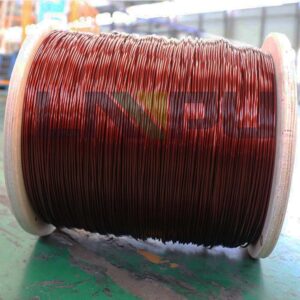
The copper conductor itself offers multiple customization opportunities beyond simple diameter selection. Diameter tolerances can be tightened beyond standard ranges when precise electrical resistance is critical for the application. Tight tolerances ensure consistent motor performance across production runs. Specialty copper alloys provide enhanced properties for specific applications.
High-strength alloys withstand vibration stress, while oxygen-free copper ensures optimal conductivity for sensitive electronics. Surface treatments enhance the conductor properties for particular manufacturing processes. Bare copper can be coated with precious metals for enhanced solderability, or treated to reduce friction during high-speed winding.
Insulation System Customization
The enamel insulation system provides extensive customization opportunities to match application requirements. Thermal class customization ensures the wire insulation matches the actual operating temperature environment, providing adequate margin without excess material cost. Chemical resistance customization addresses exposure to specific substances including refrigerants, oils, solvents, or cleaning agents encountered in the application environment. Flexibility grades range from standard flexibility for conventional winding to premium flexibility for tight bend radii or small form factor coils.
Physical dimensions beyond standard ranges enable applications with unusual space constraints or performance requirements.
Larger than standard diameters provide enhanced current capacity or improved thermal dissipation for high-power applications. Thin insulation constructions maximize conductor diameter within a given overall dimension, optimizing conductivity where space is limited. Lightweight constructions reduce overall equipment weight for transportation and aerospace applications where every gram matters.
Benefits of Custom Solutions
Custom enameled copper wire enables equipment designs that achieve performance levels not possible with standard products. Higher power density becomes achievable when wire dimensions and insulation properties are optimized for the specific application rather than averaged across many applications. Improved efficiency results from conductor sizing that precisely matches current requirements rather than rounding to available standard sizes. Enhanced reliability comes from insulation systems matched to actual service conditions, providing appropriate margins without unnecessary conservatism.
Cost Optimization
Counterintuitively, custom wire solutions often reduce total cost when properly specified. Eliminating over-specification removes unnecessary performance margins that increase material costs without providing proportionate benefits. Streamlined manufacturing results from wire properties matched to production processes, reducing waste and improving yields. Reduced testing requirements may be possible when wire performance is precisely characterized for the specific application.
Supply Chain Advantages
Custom wire relationships often provide supply chain benefits beyond the wire itself. Supplier technical support helps optimize designs and resolve application challenges, adding value beyond the product. Allocation priority during shortages typically favors custom customers with established relationships over commodity purchasers. Long-term partnerships enable continuous improvement and innovation collaboration that benefits both parties.
Application Areas for Custom Wire
Motor applications frequently require custom enameled wire solutions to meet demanding performance requirements. Servo motors need tight resistance tolerances and excellent flexibility for high-speed winding in automated manufacturing.
traction motors require combinations of high conductivity, thermal capability, and mechanical strength to deliver optimal performance in electric vehicles. Pump and compressor motors benefit from moisture-resistant insulation systems for applications involving fluid exposure or humid environments.
Transformers and Inductors
Transformer applications present opportunities for custom wire optimization based on specific design requirements. High-efficiency transformers use custom conductor dimensions to minimize losses and achieve premium efficiency ratings. Compact transformers for electronics benefit from thin insulation constructions that maximize conductor cross-section within space constraints. High-temperature transformers specify custom insulation systems matched to elevated operating temperatures in demanding environments.
Automotive and Transportation
Transportation electrification drives demand for custom wire solutions optimized for vehicle requirements. Electric vehicle motors demand combinations of high thermal capability, mechanical strength, and consistent properties for mass production. Battery management systems use custom wire with specialized insulation for compact, lightweight inductors. Charging infrastructure requires custom solutions for outdoor environments with wide temperature ranges and moisture exposure.
Industrial Equipment
Industrial manufacturing equipment relies on custom wire for specialized processes and operating conditions. Welding equipment uses custom high-conductivity wire sized for the specific current requirements of each application. Power electronics employ custom wire with low-loss insulation for high-frequency operation in inverters and converters. Industrial heating applications require custom insulation systems matched to elevated temperatures in heating elements.
Working with Custom Wire Suppliers
Clear communication of requirements is essential for successful custom wire development. The specification should address actual needs rather than assumed solutions. Technical requirements should specify actual operating conditions including temperature, voltage, mechanical stress, and environmental exposure rather than vague performance targets. Business requirements should communicate volume expectations, delivery timing, and quality requirements that enable the supplier to propose appropriate solutions.
Application context helps suppliers understand how the wire will be used, enabling them to suggest optimizations that might not be apparent from the specification alone.
Engineering Collaboration
Successful custom wire development benefits from engineering collaboration between the customer and supplier technical teams. Design review meetings early in the relationship ensure that requirements are understood and achievable with available manufacturing capabilities. Prototype testing validates that custom wire performs as expected in the actual application before committing to production volumes. Failure analysis collaboration when issues arise strengthens the relationship and improves future custom wire developments.
Quality Assurance
Custom wire requires quality assurance approaches that verify the custom characteristics meet specification requirements. Incoming inspection verifies that custom properties such as dimensions, thermal class, and flexibility meet the agreed specifications. Process certification confirms that manufacturing processes consistently produce custom wire to specification. Traceability systems link finished products to manufacturing conditions and material lots, enabling problem diagnosis if issues arise.
Cost and Timeline Considerations
Custom enameled copper wire pricing reflects the specialized manufacturing and quality assurance required for non-standard products. Tooling and setup costs amortize across production volume, making custom wire more economical at higher volumes. Tighter tolerances and specialized properties increase manufacturing cost compared to standard products. Quality assurance requirements for custom specifications add to the overall cost structure.
Development Timeline
Custom wire development requires time for specification review, manufacturing setup, and qualification testing. Prototype production typically requires 4 to 8 weeks depending on the complexity of the customization and supplier workload. Qualification testing validates that the custom wire meets specification requirements in the actual application environment. Production release follows successful qualification, with initial production runs potentially slower than standard products until processes stabilize.
Total Cost of Ownership
A complete cost analysis considers total cost of ownership rather than just unit price. Design optimization enabled by custom wire may reduce overall equipment cost despite higher wire prices. Manufacturing efficiency improvements from optimized wire properties reduce production costs and improve yields. Reliability improvements reduce warranty costs and field failures that damage reputation and increase support expenses.
Standards and Certifications
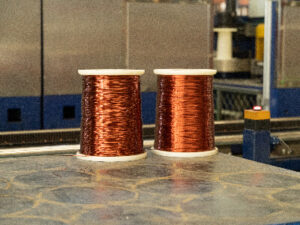
Custom enameled copper wire typically still complies with relevant industry standards for the base product type. IEC standards define baseline requirements for enameled winding wire that most custom products continue to meet. NEMA standards provide additional specifications common in North American markets. Application-specific standards such as automotive or medical device requirements may impose additional compliance burdens.
Custom Certifications
Beyond standard compliance, custom wire may require additional certifications for specific applications. Automotive applications often require IATF 16949 certification and PPAP documentation for supplier quality. Medical device applications may require ISO 13485 quality systems and biocompatibility testing. Environmental certifications such as RoHS and REACH compliance address substance restrictions for specific markets.
Documentation Requirements
Custom wire supply agreements should clearly define required documentation. Certificates of compliance attest that products meet agreed specifications. Material certifications provide chemical and physical property data for the conductor and insulation materials. Test reports document the results of specification testing for each production lot.
Making the Custom Decision
Custom enameled copper wire is appropriate when specific requirements cannot be efficiently met with standard products. Unique thermal requirements beyond standard classes justify custom insulation development when the volume warrants the investment. Space constraints that force design compromises with standard sizes may be resolved with custom conductor dimensions. Special environmental conditions such as chemical exposure or radiation justify custom insulation systems for the protection they provide.
When Standards Are Sufficient
Standard enameled copper wire products serve the majority of applications effectively and economically. Conventional motor and transformer applications without unusual requirements are well-served by standard products. Low-volume applications may not justify the tooling and setup costs associated with custom development. Applications without extreme temperature, space, or environmental constraints can rely on standard insulation systems.
Starting the Custom Process
Beginning the custom wire journey starts with clear requirements definition. Compile the actual application requirements including electrical, thermal, mechanical, and environmental conditions. Research potential suppliers with relevant manufacturing capabilities and quality systems. Initiate discussions with qualified suppliers to explore customization options and cost-benefit tradeoffs.
Custom enameled copper wire services provide valuable capabilities for manufacturers and equipment designers facing requirements that standard products cannot efficiently address. The flexibility to specify exact conductor dimensions, insulation properties, and additional processing enables optimized equipment designs that achieve performance, cost, and reliability objectives. The decision to pursue custom wire solutions should be based on clear requirements analysis that identifies where standard products fall short and where customization provides meaningful benefits. The additional cost and timeline associated with custom wire development is justified when the application requires characteristics that standard products cannot efficiently provide.
Working with experienced custom wire suppliers transforms specification into production reality. The technical collaboration, quality assurance, and supply chain partnership that characterize successful custom wire relationships add value beyond the product itself. For applications requiring capabilities beyond standard catalog offerings, custom enameled copper wire services provide the tailored solutions that enable success.