

Understanding Enameled Copper Wire for Startups
Starting a business in the electrical manufacturing industry requires careful investment decisions. Enameled copper wire is one of the most critical raw materials you’ll need, serving as the foundation for motors, transformers, inductors, and a wide range of electrical equipment. For startups with limited capital, finding cost-effective yet reliable enameled copper wire solutions can make a significant difference in your product pricing and market competitiveness.
What is Enameled Copper Wire?
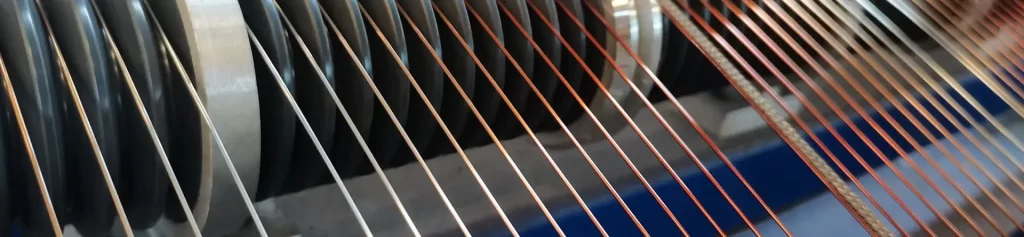
Enameled copper wire, also known as magnet wire, is a copper conductor coated with a thin layer of insulating enamel. This coating provides excellent electrical insulation while allowing the wire to be wound into tight coils. The insulation is made from various materials including polyester, polyesterimide (PEI), polyamide-imide (PAI), and polyimide (PI), each offering different thermal and electrical properties suited to specific applications.
The wire comes in various sizes, typically measured by American Wire Gauge (AWG) or diameter in millimeters. Common specifications range from 0.2mm to 5.0mm diameter for most industrial applications. Choosing the right wire size is crucial – using wire that’s too thin can lead to overheating and efficiency losses, while using wire that’s too thick increases material costs unnecessarily.
Key Cost Factors for Enameled Copper Wire
Several factors affect the pricing of enameled copper wire:
- Copper Price: Copper accounts for approximately 70-80% of the total wire cost. Since copper is a commodity traded on global markets, its price fluctuates based on supply, demand, and economic conditions.
- Insulation Class: Higher thermal class wires (Class F at 155°C, Class H at 180°C) cost more than standard Class B (130°C) wires due to advanced coating materials.
- Wire Size and Tolerance: Precision tolerance wires with tighter manufacturing specifications command premium prices.
- Order Volume: Like most industrial products, larger orders typically qualify for volume discounts.
- Brand and Certification: Wires from established manufacturers with international certifications (IEC, UL, RoHS) may cost more but offer quality assurance.
Cost-Effective Strategies for Startups
1. Choose the Right Insulation Class
Don’t over-specify your wire requirements. If your application only requires Class B (130°C) performance, there’s no need to specify Class F or Class H materials. This simple decision can save 15-25% on your wire costs. Always match the wire specification to your actual application requirements rather than building in excessive safety margins.
2. Source from Reliable Asian Manufacturers
China is the world’s largest producer of enameled copper wire, manufacturing over 50% of global output. Many Chinese manufacturers offer excellent quality at competitive prices, especially for standard specifications like IEC 60317 or NEMA MW standards. Look for manufacturers with established export experience and proper certifications.
3. Build Long-Term Supplier Relationships
Establishing consistent orders with a single supplier often leads to better pricing, priority delivery, and flexible terms. Share your growth projections with your supplier – as your business scales, they’ll be more willing to offer favorable pricing in anticipation of increased volumes.
4. Consider Standard Sizes Over Custom Orders
Custom wire specifications typically carry premium pricing and longer lead times. Designing your products around standard wire sizes can reduce costs by 10-20% and improve supply chain reliability. Standard sizes like 0.5mm, 0.75mm, 1.0mm, and 1.5mm are widely available and competitively priced.
5. Optimize Your Designs for Material Efficiency
Work with your engineering team to optimize coil designs for material usage. Better design practices can reduce waste, improve manufacturing efficiency, and lower overall production costs. Consider factors like fill factor, window utilization, and winding tension that affect how much wire your products actually need.
Quality Considerations for Budget Options
Cost-effectiveness doesn’t mean compromising on quality. Here’s what to verify even when seeking lower prices:
- Conductor Resistance: Ensure the wire meets specified resistance values for proper electrical performance.
- Breakdown Voltage: Verify insulation strength meets application requirements, typically 6kV or higher for standard applications.
- Adhesion and Flexibility: Quality wire should maintain coating integrity through winding, insertion, and thermal cycling.
- Thermal Life: Accelerated aging tests confirm the wire will perform for its rated lifespan under operating conditions.
Popular Enameled Copper Wire Types for Startups
Polyester (PE) Wire – Class B
Polyester enameled copper wire is the most economical option, suitable for applications up to 130°C. It offers good electrical properties, reasonable mechanical strength, and broad availability. This is ideal for general-purpose motors, transformers, and coils where high temperatures aren’t a concern.
Polyesterimide (PEI) Wire – Class F
PEI wire provides improved thermal resistance up to 155°C at a moderate price premium over standard polyester. It offers better heat resistance and thermal shock performance, making it suitable for motors with higher duty cycles or elevated operating environments.
Self-Fluxing Wire
For applications requiring soldering, self-fluxing enameled wire (also called solderable wire) allows direct termination without stripping. While slightly more expensive, it can reduce assembly time and labor costs in high-volume production.
Application Examples and Wire Selection
Small Cooling Fans: Typically use 0.3-0.5mm PE or PEI wire in random wound coils. PE wire provides adequate performance at lowest cost.
Control Transformers: Require various sizes from 0.5mm to 2.0mm depending on power rating. PEI wire offers good value for Class F designs.
Relay and Solenoid Coils: Generally use 0.1-0.3mm wire in precise wound configurations. Standard PE wire usually suffices for most relay applications.
HVAC Motors: Often require Class F performance due to continuous operation and variable loads. PEI wire provides the necessary thermal margin at reasonable cost.
Working with Suppliers
When sourcing enameled copper wire as a startup, consider these supplier engagement tips:
- Request samples before placing large orders to verify quality
- Ask for test reports (IEC 60317 or UL compliant) to confirm specifications
- Inquire about minimum order quantities and lead times
- Discuss pricing for growth scenarios – your supplier should be interested in your long-term business
- Clarify payment terms, packaging, and shipping arrangements upfront
Making the Final Decision
When evaluating enameled copper wire suppliers, balance cost considerations with quality assurance. The lowest price isn’t always the best value if it leads to production issues, field failures, or customer returns. Look for suppliers who can provide consistent quality, technical support, and reasonable pricing that supports your startup’s growth trajectory.
At LP Industry, we specialize in providing cost-effective enameled copper wire solutions for businesses of all sizes. Our experienced team can help you select the right wire specifications for your applications while staying within your budget. Contact us today to discuss your requirements and discover how we can support your manufacturing success.