


The choice between aluminum and copper conductors represents one of the most fundamental decisions in electrical equipment design and procurement. Both metals have distinct properties that make them suitable for different applications, and understanding the cost implications of this choice is essential for engineers, procurement professionals, and business alike. Copper has historically dominated electrical applications requiring high conductivity and reliable performance. However, aluminum has emerged as a compelling alternative, particularly in applications where weight reduction, cost savings, or specific technical requirements favor its unique properties.
The propertie’s comparison between these two materials extends far beyond simple unit price considerations. This comprehensive cost comparison examines aluminum and copper across multiple dimensions including material costs, processing expenses, performance characteristics, and lifecycle value. By understanding these factors holistically, decision makers can select the most appropriate conductor material for their magnet wire electrical applications requirements.
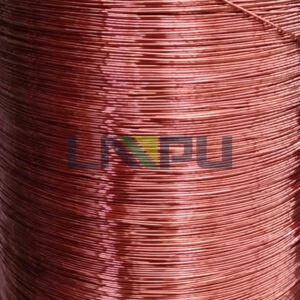
Material Properties and Fundamental Differences
Electrical Conductivity
Electrical conductivity stands as the most significant technical differentiator between aluminum and copper. Copper possesses approximately 1.6 times the electrical conductivity of aluminum by volume, meaning larger cross-sectional areas are required for aluminum conductors to achieve equivalent current-carrying capacity. This conductivity difference has direct cost implications. When aluminum substitutes for copper, the required larger conductor volume increases insulation material requirements and winding space requirements.
These secondary cost increases must be factored into any material substitution analysis. Temperature effects on conductivity also differ between the two metals. Aluminum experiences greater conductivity degradation at elevated temperatures compared to copper, a factor that influences conductor sizing decisions in thermal environments.
Physical Properties
The physical properties of aluminum and copper create distinct advantages and limitations for each material in different applications. Aluminum weighs approximately 30% as much as copper for equivalent conductivity. This weight advantage proves particularly valuable in transportation applications where reduced vehicle weight translates directly to improved energy efficiency and extended range. Copper offers superior tensile strength and ductility, allowing smaller cross-sections to withstand mechanical stresses during manufacturing and in service.
This strength advantage enables finer wire manufacturing and tighter bending radii in compact designs. Thermal expansion characteristics differ between the metals, affecting long-term dimensional stability in applications involving thermal cycling. These differences influence connection design and maintenance requirements.
Oxidation and Corrosion Behavior
Corrosion resistance characteristics influence maintenance requirements and service life expectations for conductors. Aluminum forms a protective oxide layer that provides good corrosion resistance in most environments. However, galvanic corrosion can occur when aluminum contacts dissimilar metals in the presence of moisture, requiring careful connection design. Copper develops a protective patina over time that provides excellent corrosion resistance with minimal maintenance.
This characteristic contributes to coppers reputation for long service life in demanding environments. Connection materials and termination techniques must be selected with careful attention to the specific metal being used, as compatibility issues can significantly impact system reliability and maintenance costs.
Availability and Supply Chain
Global commodity availability influences both pricing stability and supply security for aluminum and copper. Copper is classified as a relatively scarce commodity with more concentrated production geography. This concentration creates potential supply chain vulnerabilities and contributes to price volatility. Aluminum production is more geographically distributed, with significant capacity across multiple continents.
This diversification provides more stable supply availability under various market conditions. Both metals are fully recyclable, with well-established recycling infrastructure that recovers material value at end of life. Recycled content percentages continue to increase in both industries, supporting sustainability objectives.
Direct Material Cost Analysis
Current Market Pricing
Market pricing for aluminum and copper fluctuates based on global supply, demand, and economic conditions. Understanding current price levels provides context for cost comparison decisions. Copper prices typically trade at approximately 3 to 4 times the price per pound of aluminum. This ratio has remained relatively stable over extended periods despite significant absolute price volatility in both metals.
Price volatility patterns differ between the metals due to their distinct market dynamics. Copper prices tend to exhibit more dramatic swings during economic cycles, while aluminum prices generally demonstrate more moderate fluctuations. Historical price data should be analyzed over extended periods rather than relying on spot prices, as short-term fluctuations may not reflect long-term cost expectations.
Weight and Volume Considerations
Calculating true material costs requires accounting for the different conductor sizes needed to achieve equivalent electrical performance. Aluminum requires approximately 1.6 times the cross-sectional area of copper for equivalent current capacity. This volume increase results in conductors that weigh approximately half as much despite the larger physical size. The weight difference directly affects shipping and handling costs, particularly for large conductors or high-volume shipments.
These logistics savings can partially offset the need for larger conductor sizes. Conductor size also affects insulation material requirements, as larger aluminum conductors require more insulation by area but not necessarily proportionally more by volume for certain applications.
Price Per Effective Ampacity
Calculating the cost per unit of current-carrying capacity provides the most meaningful comparison for electrical applications. When calculated on a per-ampere-capacity basis, aluminum conductors typically offer significant cost advantages, often in the range of 30% to 50% savings depending on specific market conditions and conductor sizes. These advantages must be weighed against the larger size requirements and any associated increases in other component costs. The complete system cost comparison typically provides the most accurate assessment.
Large conductors used in power transmission and distribution applications show the most pronounced aluminum advantages due to the significant raw material cost differences at those scales.
Market Volatility Impact
Supply chain planning must account for the different volatility characteristics of aluminum and copper pricing. Copper price volatility creates greater uncertainty in long-term budgeting and pricing strategies. This volatility can significantly impact project economics for capital-intensive equipment. Aluminum price stability provides more predictable cost structures for long-term planning purposes, though it offers less speculative upside potential.
Hedging strategies and long-term supply agreements can mitigate volatility concerns for both materials, though at varying costs and with different levels of effectiveness.
Processing and Manufacturing Costs
Wire Manufacturing Costs
The manufacturing process for aluminum and copper magnet wire involves distinct cost components that influence final pricing. Copper wire drawing generally requires more passes to achieve fine sizes due to the metals greater strength. However, copper wires superior surface finish characteristics can reduce die wear in certain operations. Aluminum wire drawing typically proceeds faster due to the metals lower hardness, potentially offsetting some volume-related cost disadvantages through processing efficiency.
Annealing requirements differ between the metals, with aluminum generally requiring less energy input for thermal processing due to lower thermal mass and more favorable thermal properties.
Winding and Processing Costs
The manufacturing costs associated with winding conductors into electromagnetic devices depend significantly on the conductor material. Aluminum magnet wire winding requires consideration of the larger conductor sizes needed for equivalent performance. Winding equipment must accommodate larger coil dimensions and may experience different cycle times. Tension control during winding differs for aluminum due to the metals lower yield strength.
Careful parameter optimization helps prevent damage or deformation during high-speed winding. Copper windings generally achieve higher slot fill factors in compact motor designs due to the smaller conductor sizes required. This advantage can translate to improved performance or reduced motor size.
Termination and Connection Costs
Connection methods and termination costs vary significantly between aluminum and copper conductors. Aluminum connections require specialized terminal designs and installation procedures to ensure reliable long-term performance. These additional costs must be factored into the total cost comparison. Copper connections utilize more standardized techniques and components, potentially reducing termination complexity and associated labor costs.
The choice of connection technology and the specific termination approach significantly influence the total installed cost difference between aluminum and copper solutions.
Quality Control and Testing
Manufacturing quality control requirements differ between aluminum and copper magnet wire processing. Aluminum wire surface quality requires careful monitoring to ensure proper enamel adhesion. Surface oxides must be managed appropriately during processing. Copper wire processing benefits from more established quality control methods due to the longer history of copper magnet wire manufacturing.
This experience base provides refined process parameters and detection methods. Testing requirements for both materials are comparable, though specific test parameters and acceptance criteria may require material-specific adjustment.
Application-Specific Cost Considerations
Transformer Applications
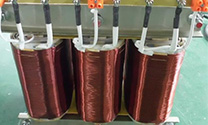
Transformer design and manufacturing provide one of the most significant application areas for aluminum versus copper cost analysis. Aluminum-wound transformers typically offer cost advantages of 15% to 25% compared to equivalent copper-wound designs, primarily due to raw material cost differences and the lighter weight reducing shipping expenses. The larger conductor sizes required for aluminum windings increase transformer core dimensions and tank size, partially offsetting raw material savings. However, total ownership cost analysis generally favors aluminum for medium and large transformers.
Large power transformers frequently utilize aluminum windings due to the significant raw material cost savings at those scales. This practice is well-established in the industry with proven reliability.
Motor and Generator Applications
Electric motor applications present more complex cost comparison challenges due to the performance sensitivity of motor design. Small motors may show limited or no aluminum cost advantage due to the fixed overhead costs of manufacturing that do not scale with conductor material. The larger motor frame sizes needed to accommodate aluminum windings may not provide net benefits for small motors. Medium and large motors can realize more substantial aluminum advantages, with cost savings potentially exceeding 20% for larger frame sizes.
Motor efficiency considerations may favor copper in certain applications where the slightly superior conductivity enables higher efficiency designs within the same frame size.
Power Distribution Equipment
Power distribution applications including switchgear, bus bars, and related equipment present distinct cost comparison factors. Aluminum bus bars have established widespread use in medium and high voltage switchgear due to their favorable strength-to-weight ratio and proven reliability. The larger cross-sectional areas required for aluminum bus work increase physical dimensions but provide acceptable performance with appropriate design practices. Termination and connection challenges in distribution equipment have been addressed through standardized practices and specialized components that reduce implementation complexity.
Transportation Applications
Transportation electrification creates significant demand for both aluminum and copper, with cost considerations influenced by application-specific requirements. Electric vehicle motor design balances conductivity requirements against weight reduction objectives, with both materials finding application based on specific vehicle requirements. Battery cable and high-voltage distribution systems in electric vehicles frequently utilize aluminum due to the weight savings and adequate current-carrying requirements. The specific application requirements and performance objectives determine whether aluminum or copper provides the optimal cost-performance balance in transportation applications.
Total Cost of Ownership Analysis
Initial vs Lifecycle Cost
True cost comparison between aluminum and copper requires consideration of total lifecycle costs beyond initial material and manufacturing expenses. Maintenance and inspection requirements may differ between aluminum and copper systems, particularly for connections and terminations. These ongoing costs should be factored into lifecycle comparisons. Reliability differences impact maintenance costs, downtime, and replacement expenses over the equipment service life.
Historical field performance data provides the most reliable input for these comparisons. End-of-life material recovery value differs between aluminum and copper, with both materials offering significant recyclable value that partially offsets initial costs.
Installation and Shipping Costs
Installation expenses beyond manufacturing include shipping, handling, and field installation activities that may differ significantly between aluminum and copper solutions. Lighter aluminum conductors reduce shipping costs, particularly for large equipment or long-distance transportation. These savings can be substantial for heavy electrical equipment. Installation labor may differ based on conductor weight and size, with aluminum generally enabling easier handling in most applications.
However, specific installation requirements vary by equipment type. Field termination and connection labor may be higher for aluminum due to the specialized procedures required, partially offsetting other installation advantages.
System-Level Cost Implications
The complete system cost comparison must account for how conductor material choice affects other system components. Larger aluminum conductor sizes may require modifications to other system components to accommodate the increased dimensions. These secondary costs should be quantified where possible. Performance differences may require system design modifications to achieve equivalent output, potentially affecting motors, transformers, or other equipment beyond the conductor itself.
Compatibility with existing systems and infrastructure should be evaluated to avoid integration complications or additional conversion costs.
Risk Assessment
Risk factors beyond direct costs influence the conductor material decision in many applications. Supply chain risk assessment considers the geographic concentration of production, market volatility, and potential for supply disruptions. Both materials present distinct risk profiles. Technology risk considers the relative maturity and established nature of aluminum versus copper in specific applications.
More established applications may present lower technology adoption risks. Regulatory and code compliance may differ between aluminum and copper depending on the specific application and jurisdiction. These requirements should be verified early in the selection process.
Making the Right Choice
Decision Framework
The optimal conductor material depends on specific application requirements, operating conditions, and economic factors that must be systematically evaluated. Technical requirements including current capacity, space constraints, weight limitations, and environmental conditions establish the boundaries within which economic optimization can occur. Economic factors including material costs, manufacturing expenses, installation complexity, and lifecycle value should be evaluated holistically rather than in isolation. Risk tolerance and supply chain priorities influence decisions where technical and economic factors provide comparable outcomes.
Application Categories
Different application categories generally favor different conductor materials based on the accumulated experience and established practices. Power generation and transmission applications typically favor aluminum for large transformers and transmission conductors where the weight and cost advantages provide clear benefits. Industrial motor applications generally continue to favor copper for small to medium motors where the superior conductivity enables compact, efficient designs. Building infrastructure applications utilize both materials based on specific requirements, with aluminum favored for larger conductors and copper preferred for branch circuits and control wiring.
Hybrid Approaches
Some applications benefit from hybrid designs that combine aluminum and copper to optimize performance and cost. Large conductors may use aluminum for the bulk of the current-carrying capacity with copper end connections providing improved termination characteristics. Power electronics applications frequently combine aluminum bus work with copper PCB traces and connections to optimize each material for its most suitable function. These hybrid approaches require careful design attention to connection and transition points but can provide optimized cost-performance solutions for complex systems.
Future Considerations
Emerging trends and technologies continue to evolve the aluminum versus copper cost equation. Electric vehicle adoption is increasing demand for both materials while driving innovation in conductor technology and application methods. Recycling infrastructure and sustainability requirements increasingly favor materials with established recycling practices, benefiting both aluminum and copper. New alloy development and processing improvements continue to narrow the performance gap and enhance the value proposition for both conductor materials.
The aluminum versus copper cost comparison does not yield a universal answer applicable to all situations. Both materials offer distinct advantages that make them optimal for different applications and requirements. Copper provides superior conductivity and established performance in applications where space constraints and efficiency requirements dominate the design criteria. The higher raw material cost is justified where these technical factors are paramount.
Aluminum delivers compelling cost advantages in applications where weight reduction, large conductor sizes, or cost optimization take priority. The conductivity disadvantage is manageable with appropriate conductor sizing. A systematic evaluation of technical requirements, economic factors, and lifecycle considerations enables informed decisions that optimize value for each specific application. Consultation with material suppliers and equipment manufacturers provides valuable input for complex selection decisions.
The optimal approach combines rigorous analysis of quantifiable factors with consideration of risk tolerance, supply chain priorities, and future requirements. This comprehensive perspective ensures that conductor material selection delivers appropriate value across the full equipment lifecycle.