

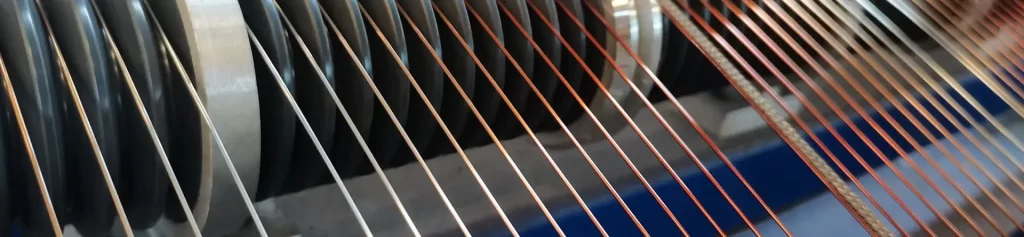
Aluminum foil, as an important functional metal material, plays a crucial role in the fields of instrumentation and power equipment. Compared with traditional copper, aluminum foil is widely used in many industrial applications due to its excellent conductivity, lightweight characteristics, and cost advantages. This article will start from the material characteristics of aluminum foil, systematically explain the key points for selection and typical application scenarios in the field of instrumentation, and provide selection reference for engineering technicians.
Aluminum Foil Material Characteristics and Classification
Basic Definition
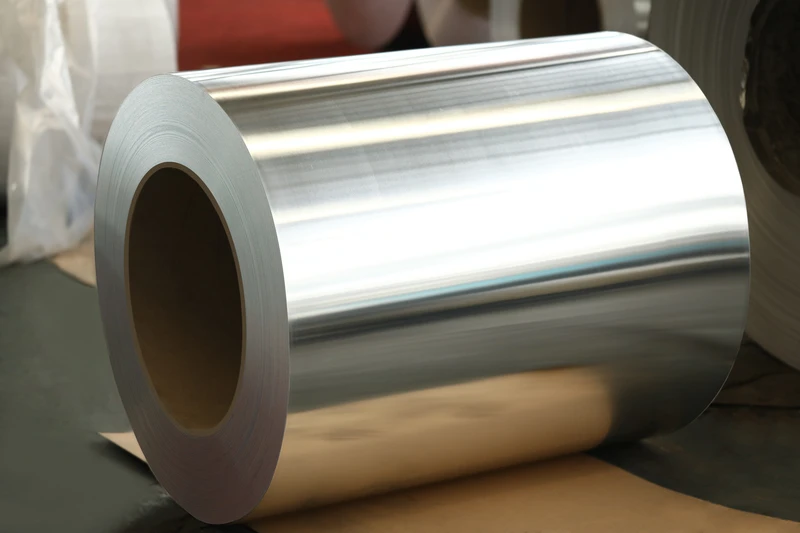
Aluminum foil refers to thin strips of aluminum and aluminum alloys with a thickness between 0.001mm and 0.2mm. According to the definition of national standard GB/T 3198-2010, aluminum and aluminum alloy strips with a thickness of less than or equal to 0.2mm can be called aluminum foil. In the field of instrumentation, the thickness of aluminum foil used in actual applications is usually in the range of 0.05mm to 1.0mm to meet the technical requirements of different application scenarios. From a materials science perspective, aluminum foil mainly uses high-purity industrial pure aluminum as raw material. Industrial pure aluminum boasts a conductivity of up to 61% IACS (International Standard for Annealed Copper), far exceeding that of other common metallic materials. Combined with its density of only 2.7 g/cm³, aluminum foil possesses irreplaceable technical value in instrumentation applications requiring lightweight design.
Key Performance Parameters
Electrical Conductivity: While aluminum’s conductivity is slightly lower than copper (copper has a conductivity of 100% IACS, while aluminum is approximately 61% IACS), optimized cross-sectional design can fully meet the conductivity requirements of most instruments. In certain specific applications, aluminum foil’s high-frequency conductivity even surpasses that of copper. Thermal Conductivity: Aluminum’s thermal conductivity is approximately 237 W/(m·K), about 60% of that of copper. For instrumentation components requiring heat dissipation management, aluminum foil and its products can effectively achieve heat transfer and dispersion. Mechanical Properties: The tensile strength of aluminum foil typically ranges from 40-150 MPa, with specific values depending on the material grade and heat treatment state. Different annealing processes can yield a variety of mechanical property combinations, from completely soft to semi-hard states. Corrosion Resistance: Aluminum naturally forms a dense aluminum oxide film (Al₂O₃) in the air, which effectively prevents further oxidation. In most industrial environments, aluminum foil exhibits good corrosion resistance.
Classification System
By Material: Aluminum foil for instruments and meters mainly uses 1-series (industrial pure aluminum) and 8-series (Al-Si series) aluminum alloys. Among 1-series aluminum foils, 1050, 1060, and 1070 are the three most commonly used grades, their main difference being the control of impurity elements such as iron and silicon.
By Temperament: Depending on the processing technology, aluminum foil can be divided into various tempers such as O (fully annealed), H22/H24 (semi-hard), and H18 (hard). Aluminum foil in different tempers has different ductility and strength characteristics, suitable for different processing technologies.
By Surface Condition: The surface treatment method of aluminum foil directly affects its application performance. Glossy aluminum foil has high reflectivity and is suitable for heat dissipation and decorative applications; matte aluminum foil has a higher surface roughness and is suitable for subsequent processing such as coating and bonding.
Selection of Aluminum Foil for Instrumentation
Material Selection Guide
1050 Aluminum Foil: As the most common industrial pure aluminum grade, 1050 aluminum foil has an aluminum content of not less than 99.5%. This grade has the best formability and corrosion resistance, excellent weldability, and is the most widely used aluminum foil material in the instrumentation industry. 1060 Aluminum Foil: Compared with 1050, 1060 aluminum foil has a slightly higher aluminum content (not less than 99.6%) and lower impurity content. For precision instruments with higher conductivity requirements, 1060 is an ideal choice. 1350 Aluminum Alloy: Also known as electrical aluminum, it is an aluminum alloy material specifically developed for electrical applications. Its conductivity can reach over 62% IACS, which is about 10% higher than ordinary industrial pure aluminum. In applications such as power transformer windings, 1350 aluminum alloy foil is the preferred material. When selecting a material, the matching of its mechanical properties must also be considered. Precision sensor housings typically use O-state aluminum foil for optimal formability; while structural support components may require H24 or H18 state materials to ensure sufficient strength.
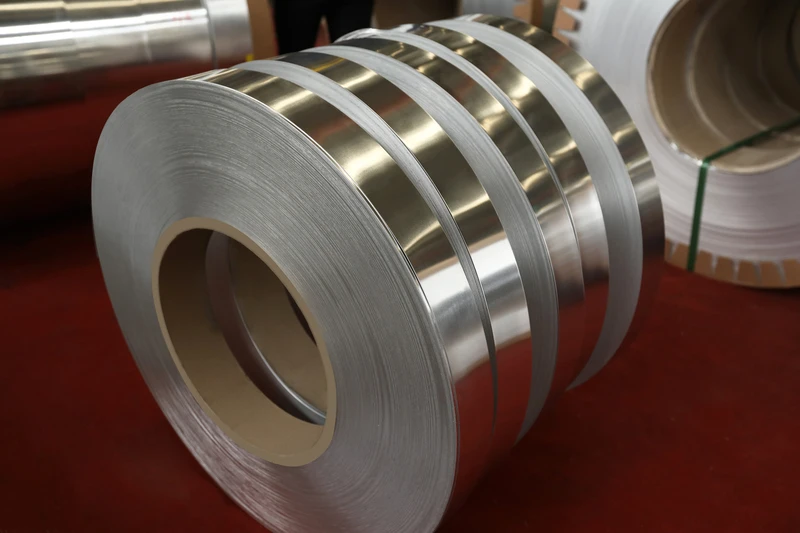
Width specifications: From a material utilization perspective, it is recommended to choose aluminum foil material with a width slightly larger than the final product size (usually 10-20mm wide) to allow for processing allowance. Wide aluminum foil is usually manufactured using a slitting process; attention should be paid to slitting accuracy and edge quality. Thickness Tolerance: Thickness control capabilities vary significantly among manufacturers. The thickness tolerance of ordinary industrial-grade aluminum foil is typically ±10% of the nominal thickness, while precision-grade products can be controlled within ±5%. For precision instrument applications, thickness tolerance requirements should be explicitly specified.
Surface Treatment Processes
The surface condition of aluminum foil is one of the key factors affecting its application performance. Common surface treatment processes include: Annealing: By controlling the heating temperature and holding time, work hardening is eliminated, obtaining the desired soft or semi-hard microstructure. Full annealing (O-state) allows the aluminum foil to achieve maximum flexibility; intermediate annealing yields mechanical properties between soft and hard states. Passivation: Forming a stable passivation film on the aluminum foil surface significantly improves its corrosion resistance. Passivation is an essential technique for instruments that need to operate in humid or corrosive environments. Coating: Applying insulating varnish, thermally conductive adhesive, or other functional coatings to the aluminum foil surface to meet specific application requirements. For insulation, polyester (PET) or polyimide (PI) coatings can be used; for enhanced thermal conductivity, thermal grease can be applied. Embossing: This process creates specific textures on the aluminum foil surface to increase surface area or improve specific properties. Embossing is a common technique in applications such as capacitors where increased surface area is required.
Typical Applications of Aluminum Foil in Instrumentation
Power Transformers
Aluminum foil transformers are one of the most important applications of aluminum foil in power equipment. In transformer windings, aluminum foil replaces traditional copper wires to wind the coil, forming what is known as an “aluminum foil transformer.” Technical Principle: Aluminum foil strips are wound into a cylindrical structure to serve as the primary or secondary winding of the transformer. Compared to copper wire windings, aluminum foil transformers have the following technical characteristics: – 20%-35% reduction in volume and weight (for the same power) – 30%-50% reduction in material cost – Approximately 15%-20% increase in resistance loss – Slightly increased short-circuit impedance Globally, aluminum foil transformers dominate the power distribution transformer market. Especially in Southeast Asia, South Asia, and Africa, where copper resources are relatively scarce and expensive, aluminum foil transformers are the mainstream choice for power distribution systems. Selection Considerations: Aluminum foil for power transformers is typically selected in 1350-H14/H24 temper, with a thickness ranging from 0.3-0.8mm. The width is determined based on the transformer capacity and voltage level. High-voltage transformers require thicker aluminum foil to ensure electrical strength.
Sensors and Measuring Instruments
Sensors are the core sensing elements of instruments, and aluminum foil plays multiple roles in sensor technology. Electromagnetic Shielding: Precision sensors need to resist external electromagnetic interference. Aluminum foil, with its excellent conductivity, is an ideal electromagnetic shielding material. In the design of sensor housings or internal shielding layers, aluminum foil can effectively attenuate interference signals and improve measurement accuracy. Thermal Management: The heat generated by sensors during operation needs to be dissipated in a timely manner. The high thermal conductivity of aluminum foil makes it a preferred material for sensor heat dissipation design. Through reasonable structural design, the sensor’s operating temperature can be controlled within a reasonable range, ensuring measurement stability. Capacitive Sensors: In capacitive pressure sensors and displacement sensors, aluminum foil serves as the capacitor plate material. Its surface finish and thickness uniformity directly affect the consistency and stability of the sensor. Typical application examples include: high-precision electronic balance sensor modules using aluminum foil as the electromagnetic shielding layer; industrial pressure transmitters using aluminum foil to make the housing of sensitive elements; and sensor components in medical monitors also extensively using aluminum foil.
Electrolytic Capacitors
Electrolytic capacitors are indispensable passive components in electronic circuits, and aluminum foil is their core raw material. The working principle of electrolytic capacitors is based on the dielectric properties of alumina film, in which aluminum foil plays a crucial role. Anode Aluminum Foil: The anode is the core functional component of an electrolytic capacitor. Through anodizing, a dense aluminum oxide (Al₂O₃) dielectric film is formed on the surface of high-purity aluminum foil. The thickness of this oxide film determines the capacitor’s voltage withstand capability; typically, each micrometer of thickness can withstand approximately 35V. Cathode Aluminum Foil: A cathode aluminum foil also forms an oxide film on its surface, but this film primarily serves as the electrical contact. The surface of the cathode aluminum foil is usually specially treated to increase the actual surface area and improve the capacitance value. Specific Surface Area Enhancement: To obtain a larger capacitance, the surface of the aluminum foil used in electrolytic capacitors is usually treated with etching to form a sponge-like microstructure. Deeply etched aluminum foil can increase its actual surface area by tens of times.
Printed Circuit Board (PCB)
An aluminum substrate is a special type of PCB that uses aluminum foil or aluminum plate as the substrate. Compared to the traditional FR-4 substrate, the aluminum substrate has excellent heat dissipation performance and is widely used in high-power electronic devices. Technical Advantages: The thermal conductivity of aluminum substrates can reach 1-5 W/(m·K), which is 5-25 times that of FR-4 substrates. For high-power-density instrument circuit modules, aluminum substrates can effectively solve heat dissipation problems, improving product reliability and service life. Structural Types: Based on the composite method of aluminum foil and insulation layer, aluminum substrates can be divided into metal-based insulation layer type (single-sided aluminum substrate), multi-layer aluminum substrate, etc. Different structures have different heat dissipation performance, electrical strength, and cost, and should be selected according to specific application requirements.
Inductors and Coil
Components Inductors are common functional components in instruments, and aluminum foil also has important applications in inductor manufacturing. Coil Frame: For inductors that require weight reduction, aluminum foil can be used as a frame material. A frame of a specific shape is manufactured through stamping, and then the coil conductor is wound to achieve an overall lightweight design. Magnetic Shielding: In precision inductor design, aluminum foil is used to make magnetic shields to reduce the influence of external magnetic fields on inductor performance. Since aluminum is a non-magnetic material, its shielding effect is mainly achieved through induced eddy currents.
Instrument Structural Components Thick
Aluminum Foil (0.5mm and above) can be directly used to manufacture structural components for instruments, such as housings, brackets, and heat sinks. Housing Design: Aluminum foil sheets can be processed into various shapes of instrument housings through stamping, bending, and other processes. Its advantages include: lightweight, good heat dissipation, electromagnetic shielding, and moderate cost. Heat Sinks: Aluminum’s high thermal conductivity makes it an ideal material for manufacturing heat sinks. Aluminum heat sinks manufactured through stamping processes are in close contact with the heat-generating elements, efficiently transferring heat to the surrounding environment.
Procurement and Quality Control Key Points
Supplier Selection
The selection of suppliers of aluminum foil for instruments should comprehensively consider the following factors: Production Capacity: Confirm whether the supplier’s production equipment capacity meets the requirements. Key parameters include: maximum width, maximum roll weight, thickness control accuracy, surface treatment capabilities, etc. On-site inspection or requesting the supplier to provide samples for testing and verification is recommended. Quality Certification: Basic certifications include ISO9001 quality management system. For exported products, it’s also necessary to pay attention to relevant certifications such as SGS, UL, REACH, and RoHS. For applications with special requirements, suppliers may need to provide material composition analysis reports, mechanical property test reports, etc. Technical Cooperation Capability: Excellent suppliers should be able to provide technical consultation and selection advice based on customer needs. For customized product requirements, the supplier’s technical responsiveness and level of cooperation are important considerations.
Packaging and Transportation
Aluminum foil is soft and easily scratched, requiring special attention during packaging and transportation: Packaging Requirements: The inner layer should be wrapped with moisture-proof paper or plastic film, the middle layer filled with soft material for protection, and the outer layer secured with a wooden frame or pallet. For precision products, it is recommended that each roll be individually packaged to avoid surface damage caused by friction. Transportation Protection: During transportation, avoid heavy pressure, collisions, and moisture corrosion. It is recommended to clearly mark “Do Not Press” and “Keep Dry” warnings on the shipping documents. For long-distance transportation or sea freight, enhanced moisture-proof measures should be taken. Storage Conditions: Aluminum foil should be stored in a dry, ventilated environment free of corrosive gases. For long-term storage, it is recommended to place desiccant between aluminum foil rolls and regularly check the integrity of the moisture-proof packaging.
Technological Development Trends and Outlook
With technological advancements and changing market demands in the instrumentation industry, aluminum foil applications are showing the following development trends: High-strength alloy aluminum foil: By adding trace alloying elements (manganese, magnesium, etc.), aluminum alloy foils with both high strength and good formability are being developed to meet the higher performance requirements of precision instruments. Functional surface treatment: Surface treatment technologies with special functions such as insulation, thermal conductivity, and stealth are being developed to expand the application space of aluminum foil in high-end instrumentation. Ultra-thin aluminum foil technology: With the miniaturization and thinning of electronic components, the demand for ultra-thin aluminum foil (below 0.02mm) is increasing, placing higher demands on rolling processes and quality control. Green and environmentally friendly manufacturing: Developing environmentally friendly surface treatment processes and recyclable aluminum foil products aligns with the global trend of green manufacturing. —
In summary
Aluminum foil, as an important functional material in the instrumentation industry, plays an irreplaceable role in many application areas such as power transformers, sensors, electrolytic capacitors, and printed circuit boards due to its excellent electrical and thermal conductivity, lightweight characteristics, and cost advantages. During the selection process, factors such as material grade, dimensions, surface condition, and quality level should be comprehensively considered based on specific application requirements to choose the most suitable aluminum foil product.