


Introduction
How to Buy Magnet Wire Directly from the Factory is a practical procurement topic faced by international buyers, OEM manufacturers, and cross-border traders. As a critical foundational material for electrical equipment, magnetic components, and new-energy equipment, magnet wire (enameled wire) procurement methods directly impact procurement costs, product quality, delivery reliability, and long-term cooperation stability. Direct factory procurement—distinct from distributor-based or trading-company-based procurement—offers significant advantages including cost competitiveness, customization capability, and technical support, making it an important B2B magnet wire procurement model.
The direct factory procurement process encompasses multiple stages, including pre-procurement preparation, supplier screening, inquiry and quotation, technical communication and sample testing, commercial negotiation and contract signing, order execution, quality control, logistics and customs clearance, and long-term collaboration. Successful direct factory procurement depends on the buyer’s comprehensive understanding of magnet wire product knowledge, procurement procedures, and risk management. Direct factory procurement imposes integrated requirements on the buyer’s technical capability, commercial capability, and risk management capability.
Direct factory procurement of magnet wire (How to Buy Magnet Wire from Factory) can be systematically elaborated across six dimensions: core value of direct factory procurement, pre-procurement preparation, supplier selection, procurement process and execution, risk control and quality assurance, and long-term collaboration strategy. This article provides a systematic, practical reference for procurement engineers, project managers, and supply chain managers of international buyers, OEM manufacturers, cross-border traders, and electrical equipment manufacturers.
Core Value of Factory-Direct Procurement
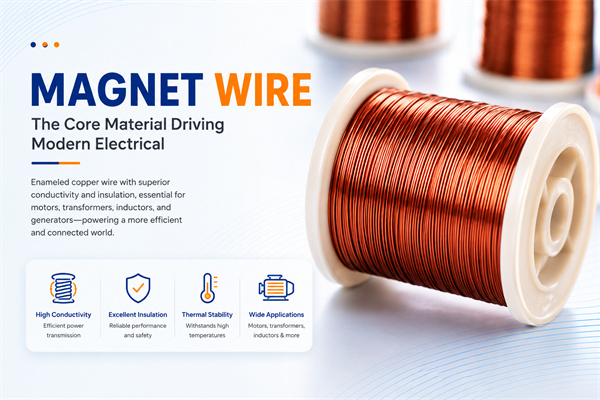
The core value of factory-direct procurement is reflected in five aspects: price advantage, customization advantage, technical support advantage, information transparency advantage, and long-term cooperation advantage. Understanding the core value of factory-direct procurement serves as the fundamental prerequisite for buyers to select the factory-direct procurement model.
Direct factory procurement eliminates profit markups from intermediaries such as distributors, traders, and agents, enabling buyers to obtain the factory’s ex-works pricing directly. Bulk purchases qualify for the factory’s most competitive pricing; development costs for customized products are negotiable with the factory; and annual agreements established through long-term collaboration allow for further price optimization. In market conditions characterized by significant raw material price volatility, direct factory procurement offers superior price stability compared to procurement via distributors.
Direct factory procurement enables buyers to communicate directly with the factory’s technical team to customize product specifications, insulation coating systems, conductor materials, and packaging methods according to their specific product requirements. This customization advantage offered by direct factory procurement is difficult to achieve through distributor procurement. Customization capability allows buyers to obtain differentiated products and establish competitive advantages in end markets.
Direct factory procurement enables buyers to access direct technical support from the factory’s engineering team, including product specification recommendations, selection consultation, winding process optimization, failure analysis support, and joint development of new products. Factory-based technical support constitutes the core added value of direct factory procurement. This support delivers particularly significant value in scenarios such as new product development, process improvement, and quality issue resolution.
Factory-direct procurement enables buyers to gain direct insight into the product manufacturing process, raw material sourcing, quality control, and test data—thereby enhancing information transparency and traceability, and supporting the establishment of a comprehensive product quality dossier. A complete product quality dossier serves as the foundation for buyers to address customer quality audits, regulatory inspections, and product quality traceability.
Direct factory procurement helps buyers establish long-term, stable cooperative relationships with manufacturers, enabling access to preferential manufacturer support, favorable pricing, and customized services—achieving mutual benefit and win-win outcomes. Such long-term cooperation ensures supply stability for buyers and guarantees consistent order volume for manufacturers.
Pre-Purchase Preparation
Prior to direct procurement of magnet wire from the factory, buyers must conduct thorough pre-purchase preparation, clearly defining key information such as procurement requirements, budget, and delivery specifications. Pre-purchase preparation constitutes the foundational step for successful direct factory procurement.
Product specification requirements constitute the fundamental information for direct factory procurement. Buyers must clearly specify the conductor material (copper, aluminum, copper-clad aluminum), conductor diameter range, insulation system (polyester, polyurethane, polyester-imide, polyamide-imide, polyimide, etc.), thermal class (Class 130 to Class 240), insulation thickness grade (single-build, heavy-build, triple-heavy-build), conductor configuration (round wire, rectangular (flat) wire, square wire, Litz wire), and applicable product standards (IEC 60317, NEMA MW 1000, GB/T 6109, UL 1446, etc.). Clearly defined product specification requirements enable manufacturers to provide accurate quotations, recommend suitable products, and avoid cost and time losses arising from subsequent specification changes.
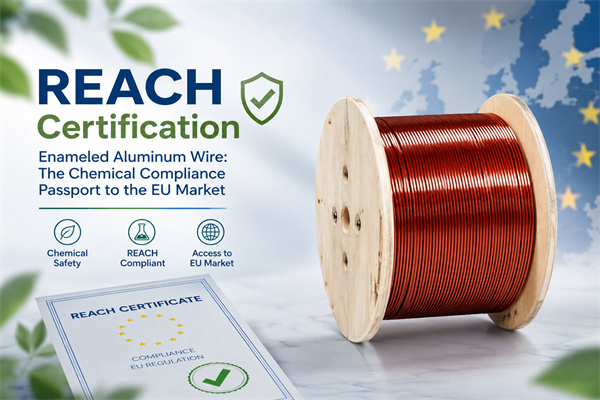
Certification and compliance requirements are critical information for direct factory procurement. Buyers must clearly define the product certification requirements of their target markets. UL certification is a mandatory product certification requirement in the North American market. CE, RoHS, and REACH certifications are mandatory certification requirements in the European Union. CCC certification is a mandatory product certification requirement in the Chinese market. The factory must be capable of providing the product certification certificates required by the target market; such certificates must remain valid and their scope of certification must cover the product specifications procured by the buyer.
Quantity and budget are critical commercial parameters for direct factory procurement. Buyers must specify the purchase quantity (initial order quantity, annual quantity, long-term quantity forecast), procurement budget, and payment terms (payment method, payment terms, currency). Clearly defining quantity and budget enables manufacturers to assess order feasibility, offer optimal pricing, and schedule production. The minimum order quantity (MOQ) for first-time cooperation is typically higher; buyers must evaluate whether the MOQ aligns with their actual demand volume.
Delivery requirements constitute critical logistics information for factory-direct procurement. Buyers must specify the delivery location (domestic port, overseas port, or final destination), delivery terms (e.g., FOB, CIF, DDP, DAP), delivery schedule, and packaging requirements. Clearly defined delivery requirements enable manufacturers to evaluate logistics solutions, provide accurate logistics quotations, and schedule production plans appropriately. Different delivery terms entail varying responsibilities and risks for the manufacturer; therefore, buyers must select the appropriate delivery term based on their specific circumstances.
Supplier Screening
Supplier screening and evaluation are critical steps in the procurement process, determining the success or failure of procurement collaboration. A scientific supplier screening methodology effectively mitigates procurement risks.
Factory information collection is the first step in supplier screening. Buyers can collect information on enameled wire manufacturers through various channels, including industry exhibitions (e.g., China International Coil Winding Exhibition, CWIEME Germany, FIEE Brazil, Elecrama India), B2B platforms (e.g., Alibaba, Made-in-China, Global Sources), industry media, trade associations, and customer referrals. The information collected includes factory qualifications, production capacity, quality certifications, product certifications, customer case studies, and export experience.
Preliminary factory screening is conducted based on factory information. Buyers perform screening according to criteria including product specification alignment, completeness of quality certifications, production capacity alignment, geographical location and logistics accessibility, and preliminary evaluation of commercial terms, typically selecting 3 to 5 candidate factories for in-depth assessment. Preliminary screening must balance breadth and depth of evaluation: an excessive number of candidate factories increases assessment workload, while too few candidates compromises the scientific rigor of decision-making.
Factory Deep Assessment is a comprehensive evaluation of candidate factories. The assessment covers technical capability evaluation (product specification coverage, R&D capability, application engineering capability), quality control evaluation (quality management system, process control, testing equipment, quality data transparency), capacity and delivery evaluation (production capacity scale, capacity flexibility, inventory capability, logistics network), commercial capability evaluation (price competitiveness, payment term flexibility, contract clause standardization), and service support evaluation (product selection consultation capability, sample response capability, after-sales technical service, communication efficiency). Assessment methods include document review, on-site audit, remote video audit, and sample testing.
Factory background investigation serves as a supplementary measure to in-depth factory assessment. Buyers may engage third-party agencies to verify the factory’s business registration information, tax payment records, credit history, legal dispute records, and administrative penalty records, thereby evaluating the factory’s financial stability, regulatory compliance, and reputation. Factory background investigation helps identify potential compliance and commercial risks, preventing partnerships with factories having significant issues.
Procurement Process and Execution
The direct factory procurement process for magnet wire encompasses inquiry, quotation, sample testing, commercial negotiation, contract signing, and order execution. A standardized procurement process ensures successful implementation of direct factory procurement.
An inquiry is the first step in direct factory procurement. The inquiry must include complete product specifications, target purchase quantity, target price range, target delivery schedule, target market certification requirements (e.g., IEC 60317, NEMA MW 1000, ASTM B566, UL 1446, IATF 16949), preferred payment terms, and contact information. A standardized inquiry enables the factory to accurately understand procurement requirements and provide precise product recommendations and quotations. Inquiry formats may include email, inquiry messages via international trade platforms, or PDF quotation request forms.
After receiving an inquiry, the factory conducts an internal evaluation and provides a quotation and proposal. The quotation shall include product specifications, unit price, minimum order quantity (MOQ), payment terms, delivery terms, lead time, validity period, and remarks. Evaluation of the quotation and proposal must comprehensively consider product specification compliance, price competitiveness, lead time reasonableness, payment terms, and factory reputation. Buyers should obtain market price benchmarks through multi-source quotations to avoid the limitations of quotations from a single factory.
Sample testing is a critical verification step in direct factory procurement. Buyers shall obtain samples from candidate factories and conduct rigorous sample testing. Sample testing includes product specification verification (e.g., conductor diameter, enamel coating thickness, enamel coating continuity, dielectric breakdown voltage), performance testing (e.g., electrical conductivity, dielectric strength, mechanical properties, thermal properties, chemical resistance), and application testing (i.e., testing under the buyer’s actual application conditions). Sample testing may be performed either in the buyer’s internal laboratory or by a third-party testing laboratory (e.g., SGS, Intertek, TÜV).
Business negotiation is a critical step in direct factory procurement. Business negotiation covers price negotiation, payment terms, delivery schedule, quality assurance, delivery terms, liability for breach of contract, confidentiality clauses, and intellectual property rights. Contracts must be executed using standardized contract templates, including complete contracting party information, clear product specifications, explicit commercial terms (price, payment, delivery schedule, delivery, quality assurance), standardized liability for breach of contract clauses, and legally valid contract effectiveness conditions.
Order execution is the core process of factory-direct procurement. Order execution encompasses order confirmation, production planning, manufacturing, quality inspection, packaging and shipping, documentation preparation, and delivery execution. A standardized process-tracking mechanism must be established for order execution. Buyers shall regularly monitor order execution progress via email, telephone, video conferencing, and other means, and promptly address any issues arising during order execution. Any deviations occurring during order execution must be reported immediately and resolved through consultation to prevent impact on final delivery.
Risk Control and Quality Assurance
Risk control and quality assurance in direct factory procurement are critical components of the procurement process, directly impacting the success or failure of procurement collaboration. A systematic risk control mechanism effectively mitigates procurement risks.
Direct factory procurement risks include factory-related risks (financial risk, production risk, compliance risk), product-related risks (quality risk, technical risk, compliance risk), commercial risks (price risk, payment risk, logistics risk), and collaboration risks (communication risk, cultural differences risk, political risk). Risk identification must be conducted throughout the entire procurement process; purchasers shall establish a systematic risk identification mechanism and regularly assess the risk status of cooperating factories.
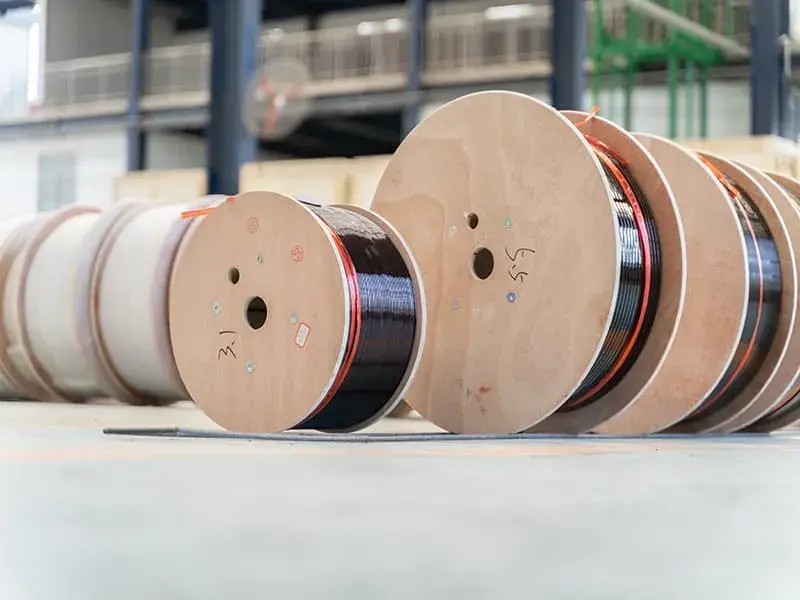
Risk control measures for direct factory procurement include factory audits (regular on-site audits, document reviews, and video audits), quality inspections (factory acceptance tests, incoming inspections, and third-party inspections), payment controls (reasonable payment terms and milestones), logistics controls (standardized logistics arrangements and cargo tracking), contract controls (standardized contractual clauses and liability for breach of contract), insurance arrangements (cargo transportation insurance and product quality insurance), and backup suppliers (cultivating alternative suppliers to diversify supply risk). Risk control measures must be adjusted according to procurement volume, stage of cooperation, and risk level.
Quality assurance methods include supplier quality management (quality management system audits, process control supervision, quality data monitoring), buyer quality management (quality inspection, sampling testing, third-party testing), product quality traceability (batch coding, production date, operator identification, quality data), and continuous improvement (analysis and improvement of quality issues, feedback on quality performance). Quality assurance methods shall establish a comprehensive quality management system covering multiple aspects including supplier quality management, buyer quality management, product quality traceability, and continuous improvement.
Logistics and customs clearance are logistics procedures for direct factory procurement, directly affecting timely product delivery and smooth receipt. International logistics modes include sea freight (suitable for bulk cargo, long-distance transportation, and lower cost), air freight (suitable for urgent shipments, with higher cost), rail transport, road transport, and express courier services. Logistics solution design must comprehensively consider cargo characteristics, transit time, transportation cost, transportation risk, and customs requirements. Customs clearance procedures comprise export customs clearance and import customs clearance; required documents include commercial invoice, packing list, bill of lading, certificate of origin, and product inspection certificate.
Long-Term Cooperation Strategy
The factory-direct long-term cooperation strategy pertains to the stability, sustainability, and win-win nature of procurement collaboration. A sound long-term cooperative relationship delivers shared value to both the purchaser and the factory.
Supplier development is the foundation for long-term collaboration. Supplier development encompasses technical support, quality improvement, capacity expansion, and talent development. It helps manufacturing facilities enhance their overall capabilities and establish a solid basis for long-term cooperation with purchasers. Supplier development requires resource investment from purchasers but delivers higher collaborative returns.
A strategic partnership represents the highest level of long-term collaboration. Built upon mutual trust, mutual benefit, and win-win outcomes, it encompasses joint R&D (co-development of new products and customized products), long-term supply agreements (annual and multi-year contracts), shared inventory management (Vendor Managed Inventory, VMI), technical information sharing (product roadmaps and technology roadmaps), and joint market expansion (co-developing markets and brand collaborations). A strategic partnership enables purchasers to secure priority factory support, preferential pricing, and customized services, while enabling manufacturers to obtain stable order volumes and sustainable long-term growth.
A multi-supplier strategy is a critical approach to mitigating supply chain risks. Purchasers shall maintain a dynamic balance between primary and backup suppliers to avoid over-reliance on any single supplier. Implementation of the multi-supplier strategy includes: selection of the primary supplier (establishing primary supplier status at the main manufacturing facility), development of backup suppliers (cultivating backup suppliers at secondary manufacturing facilities), dynamic supplier evaluation (conducting periodic assessments of supplier performance, risk exposure, and willingness to collaborate), and supplier transition mechanisms (establishing standardized procedures and contingency plans for supplier transitions).
Performance management is a critical tool for long-term collaboration. Performance management encompasses quality performance (batch pass rate, quality complaint rate), delivery performance (on-time delivery rate, delivery lead time), price performance (price level, price stability), service performance (response speed, technical support, communication efficiency), and collaboration performance (willingness to collaborate, long-term performance). Performance management results must be fed back to the factory to drive continuous improvement. Factories demonstrating outstanding performance shall receive increased order volumes and enhanced support, whereas underperforming factories shall be guided toward improvement or subject to adjustments in the collaboration strategy.
Conclusion
Direct factory procurement of enameled wire (How to Buy Magnet Wire from Factory) encompasses six core engineering dimensions: the intrinsic value of direct factory procurement (cost advantage, customization advantage, technical support advantage, information transparency advantage, long-term collaboration advantage); pre-purchase preparation (product specification requirements, certification and compliance requirements, quantity and budget, delivery requirements); supplier selection (factory information collection, preliminary screening, in-depth evaluation, background investigation); procurement process and execution (inquiry, quotation and proposal, sample testing, commercial negotiation, contract signing, order fulfillment); risk control and quality assurance (risk identification, risk mitigation measures, quality assurance methods, logistics and customs clearance); and long-term collaboration strategy (supplier development, strategic partnership, multi-supplier strategy, performance management).
Direct factory procurement of magnet wire is a systematic procurement project requiring purchasers to possess comprehensive product knowledge, procurement expertise, and risk management capabilities. Successful direct factory procurement depends on the thoroughness of pre-procurement preparation, the scientific rigor of supplier selection, the standardization of procurement processes, the effectiveness of technical communication, the strictness of risk control, the smoothness of logistics and customs clearance, and the rationality of long-term collaboration strategies. Purchasers should continuously enhance their procurement expertise, optimize procurement process management, and strengthen supplier relationship management to build a stable, efficient, and sustainable direct-factory procurement supply chain.