


Selecting the right magnet wire for your application requires a clear understanding of thermal class, also known as temperature class. The thermal class of magnet wire defines the maximum continuous operating temperature the wire’s insulation system can withstand without premature degradation. The four most common thermal classes for industrial magnet wire are 130, 155, 180, and 200—corresponding to Class B, Class F, Class H, and Class C in the international insulation classification system.
What is Thermal Class in Magnet Wire?
Thermal class is a standardized classification system that indicates the maximum continuous operating temperature a magnet wire’s insulation can safely withstand over the equipment’s expected service life. The thermal class is determined through standardized thermal endurance testing, which evaluates how the insulation degrades over time when exposed to elevated temperatures.
The internationally recognized thermal classification system—defined by standards such as IEC 60085, NEMA MW 1000, and UL 1446—categorizes insulation systems by temperature rating. For magnet wire, the most commonly used thermal classes are:
- Class B (130°C): The most widely used general-purpose class
- Class F (155°C): Higher temperature capability for demanding applications
- Class H (180°C): Specialty high-temperature applications
- Class C (200°C+): The highest standard class for extreme temperature environments
Thermal class is not the maximum instantaneous temperature the wire can withstand, but rather the temperature at which the wire can operate continuously while maintaining acceptable service life. Operating at temperatures above the rated class accelerates insulation aging—each 10°C increase approximately doubles the rate of insulation degradation, dramatically shortening the wire’s useful life.
How Thermal Class is Determined
Thermal class is established through standardized testing that simulates long-term thermal aging in a compressed time frame. Test specimens are aged at multiple elevated temperatures, and the time-to-failure at each temperature is recorded. The data is then extrapolated to determine the temperature at which the insulation would survive for a specified reference period—typically 20,000 hours—without significant degradation. This temperature becomes the wire’s thermal class rating.
Why Thermal Class Selection Matters
Choosing the correct thermal class is essential to equipment reliability, safety, and service life. Under-specifying the thermal class leads to premature insulation failure, which can cause short circuits, equipment damage, fire hazards, and costly downtime. Over-specifying typically results in unnecessarily high material cost, and the higher-class materials may have other properties (such as solderability) that are inferior to the lower-class alternatives.
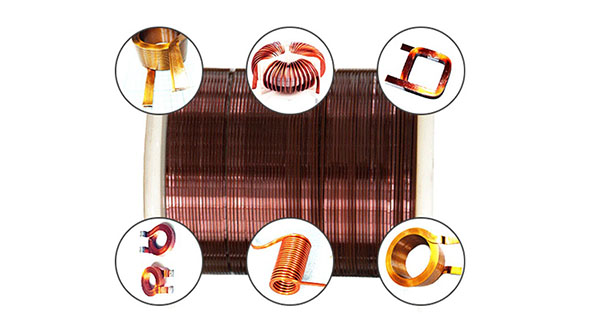
Understanding Thermal Class 130 (Class B)
Thermal Class 130, also known as Class B, is one of the most widely used temperature ratings for magnet wire. It represents a balanced combination of thermal performance, mechanical properties, and cost that suits the majority of standard industrial and commercial applications.
Insulation Materials Used
Class 130 magnet wire typically uses one of the following insulation systems:
- Polyester (PEW): A general-purpose insulation offering good electrical and mechanical properties at a competitive cost. Widely used in standard motor and transformer applications.
- Polyurethane (UEW): Solderable without stripping, ideal for applications requiring direct soldering. Slightly lower thermal endurance than polyester.
- Modified polyester formulations: Provide enhanced thermal performance while maintaining the cost advantages of polyester-based systems.
Key Properties
Class 130 wire offers several practical advantages:
- Excellent cost-to-performance ratio for general-purpose applications
- Good mechanical strength and windability
- Wide range of insulation grades (Grade 1, 2, 3) available
- Broad compatibility with standard winding equipment
- Good chemical compatibility with common varnishes and potting compounds
Typical Applications
Class 130 magnet wire is used in a wide range of standard applications:
- General-purpose industrial motors (fractional to medium horsepower)
- Small transformers and inductors
- Automotive accessories and non-critical electronics
- Consumer electronics and home appliances
- Power tools and small appliances
- Standard lighting ballasts
Understanding Thermal Class 155 (Class F)
Thermal Class 155, also known as Class F, represents a meaningful step up in thermal performance from Class 130. It is increasingly used in modern equipment designs where higher operating temperatures, smaller motor frames, or extended service life are desired.
Insulation Materials Used
Class 155 magnet wire is typically manufactured with the following insulation systems:
- Polyester-polyamide-imide (EIW): A dual-coat system combining the adhesion and flexibility of polyester with the thermal and chemical resistance of polyamide-imide. The most common Class 155 insulation.
- Polyesterimide (PEI): Single-coat insulation with good thermal endurance and improved chemical resistance compared to standard polyester.
- Modified polyurethane formulations: Specialty formulations that achieve Class 155 performance with solderable insulation.
Key Properties
Class 155 wire delivers meaningful performance advantages over Class 130:
- 25°C higher continuous operating temperature
- Significantly longer thermal endurance at any given operating temperature
- Better resistance to thermal aging and oxidation
- Improved chemical resistance, particularly to refrigerants and solvents
- Higher overload capability for variable load applications
- Smaller, lighter motor designs possible through higher power density
Typical Applications
Class 155 magnet wire has become the standard for many modern equipment designs:
- Inverter-fed industrial motors (where dv/dt stress creates additional thermal loading)
- Hermetically sealed refrigeration and air conditioning compressor motors
- High-efficiency IE3 and IE4 motors
- Modern automotive electric motors and traction systems
- Wind turbine generator windings
- Servo motors and variable speed drives
- Higher-power density motors where size reduction is a design priority
The Rise of Class 155
Class 155 has steadily grown in popularity over recent decades, replacing Class 130 in many applications. This trend is driven by several factors: the proliferation of variable frequency drives (which increase winding stress), the push for higher-efficiency motors to meet global energy regulations, the desire for smaller and lighter motor designs, and the long-term cost benefits of extended equipment service life.
Understanding Thermal Class 180 (Class H)
Thermal Class 180, also known as Class H, is a high-performance magnet wire category designed for applications where the operating temperatures exceed the capabilities of Class F systems. Class H wire is essential for equipment that operates in elevated ambient temperatures, has high overload requirements, or must provide exceptionally long service life.
Insulation Materials Used
Class 180 magnet wire uses premium insulation systems engineered for thermal endurance:
- Polyamide-imide (AIW/PAI): The most common Class 180 insulation, offering outstanding thermal stability, excellent chemical resistance, and superior mechanical durability. Polyamide-imide is typically used as the outer layer in a dual-coat construction or as a single coat in premium wire products.
- Dual-coat polyester-polyamide-imide systems: Combining the cost benefits of polyester with the thermal and chemical resistance of polyamide-imide outer layer.
Key Properties
Class 180 wire offers exceptional performance for demanding applications:
- 50°C higher continuous operating temperature than Class 130
- Outstanding thermal endurance, with service life 5–10 times longer than Class 130 at the same operating temperature
- Excellent resistance to chemical attack, including refrigerants, oils, and solvents
- Superior mechanical strength and abrasion resistance
- Excellent compatibility with high-temperature varnishes and encapsulants
- Outstanding overload capability for short-term thermal excursions
Typical Applications
Class 180 magnet wire is specified for high-performance and high-reliability applications:
- Traction motors for electric and hybrid vehicles
- Large industrial motors operating in high ambient temperatures
- Hermetic motors in commercial refrigeration and HVAC systems
- Generator windings in demanding applications
- Military and aerospace equipment
- Downhole oil and gas equipment
- High-performance servo motors and machine tool spindles
- Motors for fire pumps and emergency equipment requiring extended service life
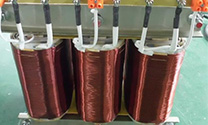
Understanding Thermal Class 200 (Class C)
Thermal Class 200, also known as Class C, represents the highest standard thermal class in the IEC 60085 classification system. Class 200 wire is reserved for the most demanding applications where extreme temperatures or exceptionally long service life are required.
Insulation Materials Used
Class 200 magnet wire uses specialty insulation systems designed for maximum thermal endurance:
- Polyimide (PI): The premier Class 200 insulation material, offering outstanding thermal stability up to 220°C continuous and exceptional resistance to virtually all chemicals, radiation, and harsh environments. Polyimide is the material of choice for the most demanding applications, though it is not directly solderable.
- Specialty dual-coat systems: Combining high-temperature base coats with polyimide topcoats for optimized performance.
- Modified polyamide-imide formulations: Premium grades of polyamide-imide that achieve Class 200 performance.
Key Properties
Class 200 wire delivers the ultimate in thermal performance:
- Continuous operating temperature of 200°C (and often higher for short periods)
- Extraordinary thermal endurance, with service life far exceeding lower thermal classes
- Exceptional chemical and radiation resistance
- Outstanding mechanical properties maintained at high temperatures
- Excellent outgassing properties for vacuum and space applications
- Compatibility with the most demanding operating environments
Typical Applications
Class 200 magnet wire is specified only when lower classes are inadequate:
- Aerospace systems and aircraft generators
- Nuclear power plant equipment
- Military electronics in extreme environments
- High-temperature industrial furnace equipment
- Specialty motors for deep-well oil and gas drilling
- Semiconductor manufacturing equipment
- Scientific research apparatus and instrumentation
- High-performance automotive applications near exhaust systems or turbochargers
How to Select the Right Thermal Class
Selecting the appropriate thermal class for your application involves a systematic evaluation of operating conditions, performance requirements, and economic considerations.
Calculate the Maximum Operating Temperature
Determine the maximum temperature the wire will experience in service. This includes both the ambient temperature of the operating environment and the temperature rise caused by current flowing through the conductor (I²R heating). For variable speed drives or inverter applications, also consider the additional heating effect of high-frequency switching losses. Add an appropriate safety margin—typically 10–15°C—to the calculated maximum temperature.
Consider Service Life Requirements
Different applications have different service life expectations. Industrial motors typically target 20,000+ hours of operation; aerospace equipment may need 100,000+ hours; consumer electronics may be designed for only a few thousand hours. The thermal class you select should support the required service life at the maximum operating temperature. Higher thermal classes provide exponentially longer service life at any given operating temperature.
Evaluate Overload and Transient Requirements
Many applications experience periodic overloads or transient conditions that temporarily push the wire above its normal operating temperature. If your application requires significant overload capability or frequent thermal cycling, select a thermal class that provides adequate margin above the normal operating temperature to accommodate these excursions without accelerated aging.
Factor in Cost Considerations
Higher thermal classes cost more than lower classes—the premium for Class F over Class B is modest, but the jump to Class H and especially Class C involves significantly higher material costs. Balance the cost premium against the performance and reliability benefits to make the most economical choice. In many cases, selecting one class higher than the minimum calculated requirement provides substantial reliability improvement at modest cost.
Consider Processing Compatibility
Different thermal classes have different processing characteristics. Polyurethane insulation (typically Class B) is solderable, while higher-class materials like polyimide (Class C) require mechanical stripping. If your manufacturing process relies on direct soldering, this factor may influence your thermal class selection. Conversely, if your design uses crimp or welded terminations, the solderability limitation of higher classes is irrelevant.
Comparison Table: Thermal Classes at a Glance
The following table summarizes the key characteristics of each thermal class for quick reference:
| Class | Temp | Common Insulation | Key Features | Cost |
|---|---|---|---|---|
| Class B | 130°C | Polyester, Polyurethane | General purpose, solderable options, good economics | Lowest |
| Class F | 155°C | Polyester-polyamide-imide | Higher temperature, longer life, VFD-compatible | Moderate |
| Class H | 180°C | Polyamide-imide | High temperature, excellent chemical resistance | High |
| Class C | 200°C | Polyimide | Extreme temperature, exceptional durability | Highest |
Common Applications by Class
Understanding which thermal class is typically specified for common application categories helps guide your selection.
Class 130 Applications
Class 130 wire dominates in applications where standard operating temperatures apply and cost is a primary consideration. This includes most fractional and integral horsepower industrial motors, consumer electronics, household appliances, power tools, and standard transformers. For applications operating at temperatures well below 130°C with modest reliability requirements, Class 130 remains the most economical choice.
Class 155 Applications
Class 155 has become the de facto standard for many modern applications. Inverter-fed industrial motors, refrigeration compressor motors, high-efficiency motors meeting IE3 and IE4 efficiency standards, automotive electric motors, and many servo motor designs all typically specify Class 155. The balance of thermal performance, reasonable cost, and broad availability makes Class 155 a versatile choice.
Class 180 Applications
Class 180 is specified when Class 155 is insufficient for the temperature requirements or when exceptional reliability and service life are required. Electric vehicle traction motors, large industrial motors in high ambient temperature environments, hermetic motors, and equipment for aerospace, military, and oil field applications commonly use Class 180 wire.
Class 200 Applications
Class 200 is reserved for the most demanding applications where other classes are inadequate. Aerospace generators, nuclear power equipment, semiconductor manufacturing tools, and specialty scientific instruments all rely on Class 200 wire for reliable operation in extreme thermal environments.
Conclusion
Understanding thermal class 130, 155, 180, and 200 wire is essential for selecting the right magnet wire for any application. Each thermal class represents a meaningful step in thermal performance, with higher classes providing both higher continuous operating temperatures and substantially longer service life at any given temperature. Class 130 covers the majority of general-purpose applications; Class 155 has become the modern standard for variable frequency drive applications and higher-efficiency equipment; Class 180 serves high-temperature industrial, automotive, and aerospace applications; and Class 200 is reserved for the most demanding thermal environments.
Selecting the right thermal class requires balancing operating temperature requirements, service life expectations, overload capability, processing characteristics, and cost. By understanding the capabilities and limitations of each thermal class—and by selecting wire with adequate margin above the calculated maximum operating temperature—engineers and designers can ensure that the magnet wire delivers reliable performance throughout the equipment’s intended service life.
When in doubt about the appropriate thermal class for a specific application, consult the wire manufacturer early in the design process. Their application engineering expertise can help identify the optimal thermal class, avoiding both under-specification (which leads to premature failure) and unnecessary over-specification (which adds cost without benefit).