


Enameled copper wire AWG 22 occupies a unique position in the world of magnet wire—a size versatile enough for delicate electronics projects yet robust enough for professional transformer and motor applications. Whether you are a hobbyist winding your first electromagnetic coil or a professional engineer specifying wire for high-volume production, understanding AWG 22 enameled copper wire will help you make better decisions and achieve more reliable results.
What is Enameled Copper Wire AWG 22?
AWG 22 (American Wire Gauge 22) enameled copper wire is a thin magnet wire with a nominal conductor diameter of 0.0253 inches (0.643 mm). The AWG designation refers to the standardized wire gauge system used throughout North America, where a higher gauge number indicates a thinner wire. AWG 22 falls in the middle range—thinner than AWG 20 but thicker than AWG 24—making it one of the most widely used sizes for a broad range of electromagnetic applications.
The enameled designation means the copper conductor is coated with a thin layer of insulation, typically a baked-on polyester or polyurethane varnish. This enamel coating provides electrical isolation between adjacent turns of wire in a coil, allowing the wire to be wound tightly without short-circuiting. The enamel is durable enough to withstand the winding process yet thin enough to burn away easily during soldering, enabling clean, reliable terminations.
AWG 22 enameled copper wire is one of the most versatile magnet wire sizes available. It balances current-carrying capacity, physical strength, and ease of handling in a way that few other sizes can match, which explains its widespread use across such a diverse range of applications—from delicate electronic circuits to industrial solenoid windings.
Key Specifications and Properties
Understanding the technical specifications of AWG 22 enameled copper wire helps in selecting the right product for a specific application and in verifying compliance with design requirements.
Physical Dimensions
The bare copper conductor diameter of AWG 22 wire is 0.0253 inches or 0.643 mm. When the enamel insulation is applied, the overall diameter increases depending on the insulation grade: Grade 1 (single build) approximately 0.0265–0.0280 inches; Grade 2 (double build) approximately 0.0290–0.0310 inches; Grade 3 (heavy build) approximately 0.0315–0.0340 inches.
The resistance of AWG 22 bare copper wire is approximately 16.14 ohms per 1,000 feet (or 0.053 ohms per meter) at 20°C. This resistance increases slightly with temperature, following the standard copper temperature coefficient of approximately 0.393% per degree Celsius.
Current-Carrying Capacity
AWG 22 enameled copper wire has a current-carrying capacity of approximately 0.92 amps in free air. In practical coil or transformer applications, the allowable current is often determined by the application thermal design and may range from 0.5 amps to over 1 amp depending on the winding configuration and cooling conditions.
Insulation Types
AWG 22 enameled copper wire is available with various insulation formulations: Polyurethane (UEW) is the most popular, solderable without stripping and suitable for most general-purpose applications up to Class B (130°C); Polyester (PEW) offers good electrical and mechanical properties for motor and transformer applications up to Class B or Class F; Polyester-Polyamide-Imide (EIW) provides superior thermal and chemical resistance for Class F (155°C); Polyamide-Imide (AIW/PAI) offers highest performance for Class H (180°C) operation.
Temperature Ratings
Class B (130°C), Class F (155°C), and Class H (180°C) temperature ratings are available depending on the insulation formulation. Exceeding the wire temperature rating can degrade the insulation and shorten the component service life.
Common Applications for Hobbyists
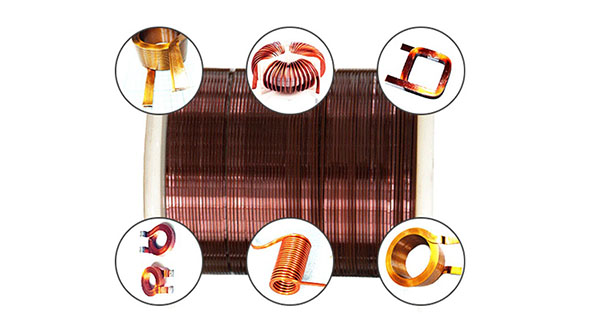
AWG 22 enameled copper wire is a staple of the electronics hobbyist world, used in countless projects where its combination of manageable size, good current capacity, and ease of handling make it the ideal choice.
Electromagnetic Projects
Hobbyists frequently use AWG 22 wire for electromagnetic devices such as simple electromagnets, DC solenoids, and magnetic grippers. The wire gauge is thin enough to wind hundreds of turns in a compact coil yet thick enough to carry sufficient current for meaningful magnetic field strength when powered from a typical bench power supply or battery.
DIY Transformers and Inductors
Building audio transformers, small power transformers, or RF inductors is a popular hobbyist activity, and AWG 22 is frequently the wire of choice for secondary windings in small transformers and for inductor coils in tube amplifiers and radio equipment.
Crystal Radio and RF Coils
AWG 22 enameled copper wire is widely used for winding the coils in crystal radios, AM radio receivers, and various RF (radio frequency) projects. The wire consistent diameter and smooth enamel coating support the tight, uniform windings that RF coils require for predictable performance.
Guitar Pickups and Musical Instruments
Hobbyist instrument builders and guitar pickup winders frequently use AWG 22 wire for hand-winding custom pickups for electric guitars and basses. The wire gauge is the industry standard for most humbucker and single-coil pickup designs.
Arduino and Maker Projects
AWG 22 enameled copper wire is a versatile choice for maker projects involving electromagnetic actuation—solenoid valves, small motors, voice coils for acoustic transducers, and electromagnetic locks all commonly use AWG 22.
Professional and Industrial Uses
Away from the workbench, AWG 22 enameled copper wire serves critical functions across a wide range of professional and industrial applications.
Transformer Windings
In small power transformers and control transformers, AWG 22 is frequently used for higher-voltage secondary windings where the current is relatively low. The wire adequate dielectric strength and consistent dimensions support reliable transformer performance.
Solenoid and Valve Windings
Industrial solenoid valves, hydraulic solenoid valves, and electromechanical actuators commonly use AWG 22 wire for their coil windings. These devices require consistent magnetic performance, reliable operation over millions of cycles, and resistance to thermal conditions generated during continuous duty operation.
Relay and Contactor Coils
Electrical relays, contactors, and protective devices in industrial control panels rely on compact, reliable solenoid coils wound with AWG 22 enameled copper wire.
Metric Instruments and Gauges
Precision measurement instruments—including analog panel meters, moving coil galvanometers, and various electromechanical transducers—frequently wind their magnetic coil elements with AWG 22 wire.
Medical and Safety Equipment
A variety of medical devices and safety equipment incorporate AWG 22 enameled wire in solenoid and magnetic coil assemblies.
How to Choose Quality AWG 22 Enameled Wire
Not all AWG 22 enameled copper wire is created equal. Selecting the right wire requires attention to the key quality parameters that determine performance and reliability.
Verify Conductor Diameter and Tolerance
AWG 22 has a nominal area of 640.4 circular mils. Quality wire manufacturers maintain tight tolerances on conductor diameter to ensure consistent resistance and predictable winding geometry. Look for manufacturer certifications confirming compliance with IEC 60317 or NEMA MW 1000 dimensional standards.
Check Insulation Integrity
The enamel insulation must be continuous and free from defects such as pinholes, holidays (gaps in coverage), and contamination. Quality wire undergoes testing for insulation integrity during manufacturing.
Match Insulation Type to Application
For solderable wire with general-purpose performance, choose polyurethane (UEW) insulation. For higher thermal performance, choose EIW or AIW. For chemical or solvent exposure, verify compatibility with the specific chemical environment.
Assess Solderability
Polyurethane insulation is normally directly solderable, but thicker Grade 2 and Grade 3 builds may require slightly longer soldering times or higher temperatures. Always test a sample before committing to a production run.
Consider Supplier Reputation and Certifications
Purchase AWG 22 enameled wire from reputable suppliers with established quality management systems. Quality suppliers will provide datasheets documenting the wire specifications, test results, and compliance with relevant standards.
Tips for Working with AWG 22 Wire
Getting the best results from AWG 22 enameled copper wire requires understanding the characteristics of the material and following established best practices for winding, termination, and quality verification.
Winding Best Practices
Key winding considerations include: maintaining consistent winding tension throughout the coil; ensuring each layer is wound uniformly before proceeding to the next; keeping winding equipment clean and free from oil, dirt, and metal debris that could contaminate the wire surface.
Stripping and Termination
For soldered terminations, polyurethane wire can be directly soldered by applying a hot soldering iron tip (typically 350–400°C for standard leaded solder) directly to the wire end while applying solder. For non-solderable insulation types or when preferred, use a rotary wire stripper with the correct size die for AWG 22.
Testing After Winding
For production quantities or critical applications, test each finished coil for: continuity (verifying no open circuits); resistance (comparing to calculated value); and insulation integrity through hipot or insulation resistance testing.
Storage and Handling
Store AWG 22 enameled wire in its original packaging until ready for use. Keep the wire in a clean, dry environment to prevent contamination of the enamel surface. Excessively humid conditions can cause the enamel to absorb moisture over extended storage periods.
Where to Buy AWG 22 Enameled Copper Wire
AWG 22 enameled copper wire is widely available from multiple sources, ranging from small hobbyist quantities to large industrial spool sizes.
Hobbyist and Small Quantity Sources
For hobbyist quantities, electronics supply retailers and online marketplaces offer AWG 22 enameled wire in smaller spools (typically 1/4 lb to 1 lb spools). Polyurethane insulation is the most commonly available type in small quantities.
Industrial and Production Quantity Sources
For production quantities, purchase directly from magnet wire manufacturers or authorized distributors. Industrial spools typically range from 1 kg to 25 kg or more, offering significant cost advantages for volume production.
What to Look for When Buying
Regardless of the source, verify: conductor diameter and AWG conformance; insulation type and temperature class; insulation grade (1, 2, or 3); compliance with relevant standards (IEC 60317, NEMA MW 1000); supplier quality certifications; and technical documentation and datasheet availability.
Conclusion
Enameled copper wire AWG 22 earns its reputation as one of the most versatile and widely used magnet wire sizes through its excellent balance of electrical performance, physical handling characteristics, and broad availability. For hobbyists, it provides an accessible entry point into electromagnetic projects and coil winding. For professional engineers and manufacturers, it delivers the consistent quality, documented performance, and supply chain reliability that demanding applications require.
Understanding the specifications, insulation options, and best practices for working with AWG 22 wire empowers both hobbyists and professionals to make better material selections, achieve more reliable results, and avoid the common pitfalls that can compromise project outcomes. Whether you are winding your first electromagnet or specifying wire for a million-unit production run, AWG 22 enameled copper wire remains a proven, reliable choice that serves equally well from the workbench to the factory floor.