


In the world of industrial equipment manufacturing, selecting the right magnet wire is critical for achieving optimal performance, cost efficiency, and long-term reliability. Aluminum magnet wire has emerged as a compelling alternative to traditional copper wire, particularly in large-scale industrial applications where material costs and weight savings are major considerations.
What is Aluminum Magnet Wire?
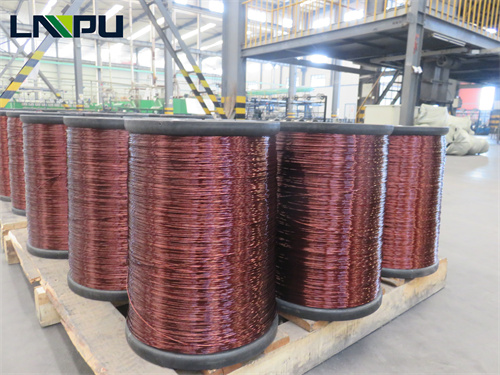
Aluminum magnet wire, also known as enameled aluminum wire or winding wire, is an electrically conductive wire coated with a thin layer of insulation. Unlike copper magnet wire, the core of aluminum magnet wire is made from aluminum, which offers distinct advantages in weight and cost.
The wire is manufactured through a process of aluminum rod drawing followed by multiple layers of enamel insulation application. The enamel coating—typically made from materials such as polyester, polyurethane, or polyamide-imide—provides electrical insulation while allowing the wire to be wound tightly without short-circuiting. The combination of aluminum conductivity and modern insulation technology makes this wire suitable for a wide range of industrial applications.
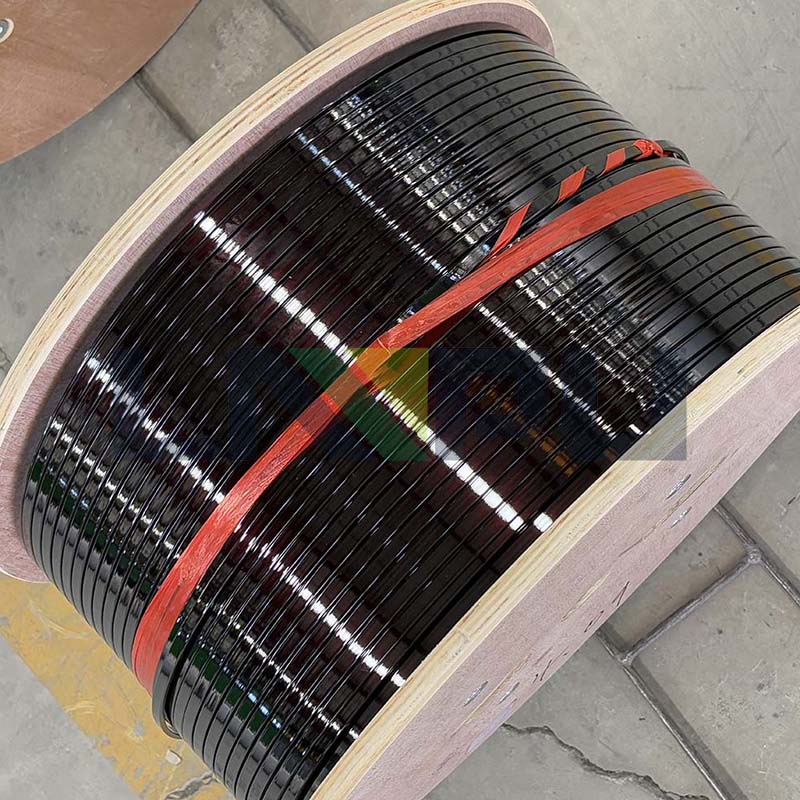
Aluminum magnet wire is available in various forms, including round wire, rectangular (flat) wire, and specialized variants like Copper Clad Aluminum Wire (CCA). CCA wire features an aluminum core with a thin copper layer bonded around the outside, offering some of the benefits of both materials.
Key Applications in Industrial Equipment
Aluminum magnet wire serves critical functions across numerous types of industrial equipment. Understanding these applications helps engineers and procurement professionals make informed decisions when selecting materials.
Electric Motors and Drives
Industrial motors—including AC induction motors, servo motors, and large traction motors—commonly utilize aluminum magnet wire for their stator and rotor windings. In large motors where copper wire costs can become prohibitive, aluminum windings provide a cost-effective solution without sacrificing essential performance characteristics. Aluminum wound motors are particularly prevalent in HVAC systems, pumps, compressors, and conveyor systems.
Transformers and Reactors
Power transformers represent one of the largest-volume applications for aluminum magnet wire. Both dry-type and oil-immersed transformers in industrial settings frequently use aluminum windings. The lower material cost of aluminum makes it especially attractive for medium to large power transformers where the sheer quantity of winding wire is substantial. Aluminum foil windings are particularly common in transformer applications, allowing for efficient manufacturing and excellent heat dissipation.
HVAC and Refrigeration Equipment
Commercial and industrial heating, ventilation, air conditioning, and refrigeration systems rely on aluminum magnet wire for motor windings in compressors and fans. The weight reduction offered by aluminum wire contributes to easier handling during installation and maintenance, while the cost savings support competitive pricing in this price-sensitive market segment.
Generators and Alternators
Industrial generators and alternators frequently employ aluminum windings, particularly in applications where the equipment is deployed in large numbers or where weight considerations favor aluminum over copper. From backup power systems to primary power generation in remote industrial facilities, aluminum magnet wire delivers reliable performance.
Renewable Energy Systems
Wind turbine generators and large-scale solar inverters increasingly utilize aluminum magnet wire in their winding configurations. The combination of cost efficiency and adequate electrical performance makes aluminum an attractive choice for these growing industrial segments.
Advantages of Aluminum Magnet Wire
Aluminum magnet wire offers several significant benefits that make it the preferred choice in many industrial equipment applications.
Cost Efficiency
Aluminum costs significantly less than copper on a per-kilogram basis, and aluminum lower density means that a wire of equivalent electrical resistance requires considerably more aluminum by weight. However, the raw material cost advantage is substantial—the price of aluminum is typically 50–70% lower than copper, making aluminum magnet wire a highly cost-effective solution for large industrial equipment where material costs constitute a major portion of total manufacturing expense.
Weight Reduction
Aluminum is approximately 70% lighter than copper by volume (or about 30% the weight of copper for equivalent electrical resistance). This weight reduction offers meaningful benefits in applications where the equipment total weight affects transportation costs, installation requirements, or structural load considerations.
Excellent Thermal Performance
Modern aluminum magnet wire insulation systems are engineered to withstand high operating temperatures. Common temperature classes include 155°C (Class F) and 200°C (Class C), with specialty coatings like polyamide-imide (PAI/AIW) providing exceptional heat resistance. This thermal capability ensures reliable performance even in demanding industrial environments with elevated ambient temperatures.
Versatile Insulation Options
Aluminum magnet wire is available with various insulation types to match specific application requirements:
Polyester (PEW) – General-purpose insulation with good electrical and mechanical properties;
Polyurethane (UEW) – Excellent solderability, ideal for high-speed winding equipment;
Polyester-Polyamide-Imide (EIW/AIW) – Superior thermal and chemical resistance for demanding environments;
Polyamide-Imide (PAI) – Highest temperature rating and exceptional mechanical durability.
Available in Multiple Forms
Industrial equipment manufacturers can choose from round wire, rectangular (flat) wire, and Copper Clad Aluminum Wire (CCA). Rectangular aluminum wire is particularly valued in transformer and large motor applications because its cross-sectional shape maximizes the fill factor of the winding window, improving overall efficiency. CCA wire provides an attractive balance, combining the cost advantage of aluminum with some of the solderability and surface properties of copper.
Technical Specifications and Selection Guide
Selecting the right aluminum magnet wire for industrial equipment requires understanding key technical specifications and how they relate to your specific application requirements.
Wire Gauge and Conductor Size
Aluminum magnet wire is available in a wide range of sizes, typically expressed in AWG (American Wire Gauge) or metric equivalents (millimeters). For industrial equipment applications, wire sizes commonly range from AWG 10 (2.59 mm diameter) to AWG 40 (0.079 mm diameter) for round wire, with rectangular wires available in various width and thickness combinations.
When selecting wire gauge, engineers must consider the current-carrying capacity required, the available space for windings, and the desired electrical resistance of the finished coil. Aluminum has approximately 61% of the conductivity of copper, meaning that the cross-sectional area of an aluminum wire must be larger than that of a copper wire to achieve the same resistance.
Temperature Class
The temperature class of aluminum magnet wire indicates its maximum continuous operating temperature: Class B (130°C) – Suitable for standard industrial motor applications; Class F (155°C) – Widely used in general industrial equipment, offering a good balance of cost and thermal performance; Class H (180°C) – Designed for high-temperature industrial environments; Class C (200°C+) – Reserved for the most demanding applications with extreme thermal requirements.
Insulation Grade
Insulation grades (Grade 1, Grade 2, and Grade 3) refer to the thickness of the enamel coating applied to the wire: Grade 1 – Thin insulation layer, maximum conductor fill in tight spaces, but reduced mechanical protection; Grade 2 – Standard insulation thickness, the most common choice for industrial applications; Grade 3 – Heavy insulation layer, maximum mechanical protection and dielectric strength, recommended for harsh operating environments.
Standards and Certifications
Quality aluminum magnet wire for industrial equipment should comply with recognized international standards, including IEC 60317 (International Electrotechnical Commission specifications for winding wires) and NEMA MW 1000 (National Electrical Manufacturers Association standards for magnet wire). These standards define testing methods, performance requirements, and quality benchmarks that ensure consistent, reliable material performance.
Aluminum vs. Copper Magnet Wire
One of the most important decisions in designing industrial equipment is choosing between aluminum and copper magnet wire. Both materials have distinct characteristics that make them suitable for different applications.
Conductivity Comparison
Copper has superior electrical conductivity—approximately 1.7 times that of aluminum. This means copper wire can carry the same current in a smaller cross-section, which is advantageous in applications where space is at a premium. However, for large transformers and industrial motors where winding space is abundant and cost is a primary concern, aluminum conductivity is more than adequate.
Mechanical Properties
Copper wire is softer and more malleable, making it easier to wind by hand and less prone to cracking during forming operations. Aluminum wire, while slightly more challenging to work with due to its tendency toward work hardening, responds well to proper winding techniques and equipment. Modern winding machines are fully capable of handling aluminum wire efficiently.
Thermal Expansion and Joint Reliability
Aluminum has a higher coefficient of thermal expansion than copper, which can affect joint reliability in certain configurations. However, this is well-managed through proper joint preparation techniques, including appropriate cleaning, anti-oxidant treatment, and mechanical crimping or welding methods. When correctly installed, aluminum windings provide reliable, long-term performance.
Application-Based Recommendations
Choose aluminum magnet wire when: Cost optimization is a primary concern; The application involves large quantities of winding wire; Weight reduction provides meaningful benefits; Operating temperatures and electrical requirements are well-matched to aluminum properties.
Consider copper magnet wire when: Space constraints require maximum conductivity per unit volume; The application demands the highest efficiency levels; Finer gauge wires are required for precision equipment; Long-term joint reliability in challenging thermal cycling conditions is critical.
Maintenance and Storage Guidelines
Proper handling, storage, and maintenance of aluminum magnet wire are essential to ensuring optimal performance in industrial equipment throughout its service life.
Storage Recommendations
Aluminum magnet wire should be stored in a clean, dry environment to prevent moisture absorption and contamination of the enamel surface. Ideal storage conditions include controlled temperature (15–30°C) and relative humidity below 60%. Wire should remain in its original packaging until ready for use, and packaging should be inspected for damage upon receipt.
Extended storage beyond the manufacturer-recommended shelf life (typically 12 months under proper conditions) may require verification of insulation integrity before use. Any signs of oxidation, discoloration, or surface contamination should prompt inspection and, if necessary, replacement of the affected material.
Handling During Production
During winding operations, aluminum magnet wire should be kept free from oils, dirt, and mechanical contaminants that could compromise enamel adhesion. Appropriate tension control during winding prevents stretching or deformation, and sharp bends or kinks should be avoided as they can create stress points in the insulation.
Quality Inspection
Incoming quality inspection of aluminum magnet wire should include visual examination for surface defects, measurement of conductor diameter and insulation thickness, and when necessary, dielectric testing to verify insulation integrity. For critical industrial applications, additional tests such as continuity testing, springiness tests, and solderability assessments provide additional confidence in material quality.
Conclusion
Aluminum magnet wire for industrial equipment represents a mature, cost-effective, and technically sound choice for a wide range of applications, including motors, transformers, generators, and HVAC systems. Its combination of lower material cost, favorable weight characteristics, and proven performance make it indispensable in modern industrial manufacturing. By understanding the technical specifications, application considerations, and proper handling requirements outlined in this guide, engineers and procurement professionals can confidently specify and utilize aluminum magnet wire to optimize their industrial equipment designs.
Whether you are designing large power transformers, standard industrial motors, or specialized equipment for renewable energy applications, aluminum magnet wire offers a compelling combination of performance, cost efficiency, and sustainability that deserves serious consideration in your material selection process.