

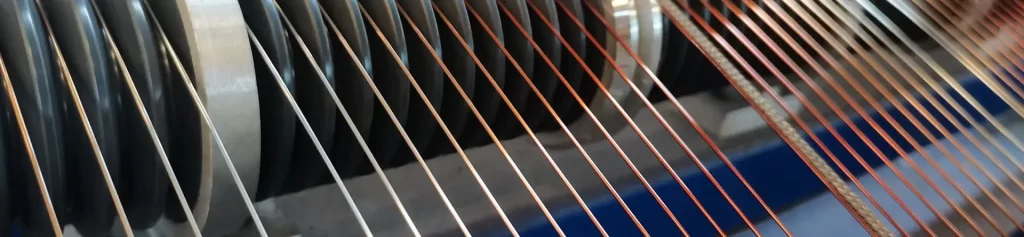
Paper covered wire represents one of the most established and reliable conductor insulation systems for oil type transformer windings, combining the excellent electrical conductivity of copper or aluminum with the superior dielectric properties of cellulose-based paper insulation. This combination has powered the global electrical grid for over a century, providing safe, reliable, and efficient power transformation across countless installations worldwide. The development of paper covered wire for transformer applications represents a milestone in electrical engineering that enabled the construction of large-scale power distribution and transmission systems that form the backbone of modern civilization. Oil type transformers utilize mineral oil or specialized transformer oils as both a cooling medium and an additional insulation layer, working in concert with paper covered wire to provide exceptional electrical performance.
The synergistic relationship between the paper insulation and transformer oil creates a composite insulation system that outperforms either material alone, achieving dielectric strengths that enable compact, efficient transformer designs for applications ranging from small distribution transformers to massive power transformers operating at hundreds of kilovolts. Understanding the characteristics, manufacturing processes, performance attributes, and application considerations for paper covered wire in oil type transformer windings provides essential knowledge for transformer designers, manufacturers, procurement specialists, and maintenance professionals. This comprehensive technical guide examines every significant aspect of paper covered wire, from raw material selection through manufacturing processes, quality verification, design integration, and long-term performance expectations. The information presented here supports informed decision-making at every stage of the transformer lifecycle, from initial specification and design through manufacturing quality assurance, installation commissioning, and ongoing operational maintenance.
Whether selecting materials for a new transformer design, qualifying suppliers, specifying inspection procedures, or evaluating maintenance options for existing transformers, this guide provides the technical foundation for making optimal decisions.
Fundamental Properties of Paper Covered Wire
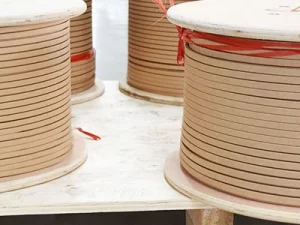
The conductor forms the electrical pathway through which current flows in transformer windings, and its properties directly determine the electrical and thermal performance of the completed winding. Paper covered wire for oil type transformers primarily uses copper and aluminum as conductor materials, with copper predominating in most power transformer applications due to its superior electrical conductivity and favorable mechanical properties. Copper conductors for transformer windings meet strict purity requirements, typically exceeding 99.9 percent copper content to ensure consistent electrical properties and freedom from impurities that could cause hot spots or premature failure. The conductor is drawn to precise dimensions through a controlled drawing process that achieves the required cross-sectional area within tight tolerances.
Surface quality is carefully controlled to prevent irregularities that could cause voltage stress concentration or insulation damage during winding. Aluminum conductors offer cost and weight advantages that make them attractive for certain transformer applications, particularly large distribution transformers where the cost savings justify the larger conductor cross-sections required due to aluminum’s lower conductivity. Aluminum conductor purity requirements are similarly stringent, typically exceeding 99.5 percent aluminum content. The mechanical properties of aluminum differ from copper, requiring adjustments to winding tension, bracing, and termination practices.
Conductor geometry for paper covered wire includes both round and rectangular cross-sections, with rectangular conductors providing higher window fill factors in layer windings and round conductors offering advantages in random wound configurations. The aspect ratio of rectangular conductors affects current distribution and skin effects, with wider strips providing better surface area for heat dissipation in high-current applications.
Paper Insulation Materials
The paper insulation wrapped around transformer conductors consists primarily of cellulose fibers derived from wood pulp, with specific properties tailored for electrical insulation applications. Kraft paper, made from softwood pulp processed using the sulfate cooking method, provides the dominant insulation material for transformer applications due to its excellent combination of dielectric strength, mechanical strength, and compatibility with transformer oil. The cellulose molecular structure provides polar molecules that interact strongly with transformer oil, enabling the oil to penetrate the paper structure and enhance its dielectric properties significantly compared to dry paper. This oil-paper interaction represents a fundamental characteristic that distinguishes transformer paper insulation from other electrical insulation materials, creating a composite system with superior performance to either material alone.
Paper thickness for transformer applications typically ranges from 0.05 mm for fine wire insulation to 0.20 mm or more for heavy conductors, with multiple layers applied to achieve the total insulation thickness required for the voltage class. Standard paper thicknesses include 0.05 mm, 0.08 mm, 0.12 mm, 0.15 mm, and 0.20 mm, allowing combinations that achieve precise insulation thickness requirements for different voltage levels. Thermally upgraded paper undergoes chemical treatment to improve its ability to withstand elevated temperatures without rapid degradation. Amine treatment and epoxy treatment create cross-linking in the cellulose structure that reduces the rate of thermal aging, allowing the paper to maintain acceptable properties for longer periods at high operating temperatures.
Thermally upgraded papers are commonly designated as high-temperature papers and are essential for transformers operating at thermal class 120 or above. Crepe paper consists of paper that has been mechanically crinkled to provide stretch and conformability, finding application in locations requiring flexibility to accommodate movement or dimensional changes. Transformer bushings and tap changer contacts commonly use crepe paper insulation that can flex without losing dielectric integrity as the transformer undergoes thermal cycling and mechanical stress.
Oil-Paper Insulation System
The combination of paper insulation and transformer oil creates a composite insulation system with characteristics that exceed the simple sum of the individual components. Understanding this synergy is essential for appreciating why paper covered wire remains the preferred choice for oil type transformers despite competition from alternative insulation systems. Transformer oil penetrates the porous paper structure during the impregnation process, filling voids between cellulose fibers and creating a composite material with dramatically improved dielectric properties compared to dry paper. The dielectric strength of oil-impregnated paper exceeds that of either oil or paper alone, with the oil filling microscopic voids that would otherwise provide paths for electrical breakdown.
The cellulose structure provides mechanical support for the oil while the oil provides thermal conduction away from the conductor and prevents oxidation of the cellulose that would occur in the presence of air and elevated temperature. This mutual protection extends the life of both materials significantly compared to operation in isolation. Moisture represents the primary threat to the oil-paper insulation system, with water both degrading the dielectric properties of the oil and attacking the cellulose structure through hydrolysis. Careful drying during transformer manufacturing removes moisture from both the paper and oil, with moisture content maintained below 0.5 percent throughout the operational life through sealed tank construction and dehydration breathers.
Manufacturing Processes and Quality Control
The manufacturing of paper covered wire begins with high-quality conductor material that meets stringent chemical, dimensional, and surface quality requirements. Copper and aluminum producers supply conductor stock in coils that undergo further processing to achieve the precise dimensions required for transformer windings. Wire drawing reduces the conductor diameter from starting stock to the final dimension through a series of progressive dies. Each drawing pass reduces the diameter by a controlled amount, with intermediate annealing operations softening the conductor to allow continued reduction without cracking.
The final wire dimensions must stay within tight tolerances to ensure consistent electrical resistance and proper fit in the winding operation. Surface preparation immediately before paper wrapping removes any contamination, oxidation, or surface irregularities that could affect the bond between the conductor and paper insulation. Chemical cleaning or light abrasion prepares the surface for optimal adhesion while removing materials that could cause localized electrical stress. Quality control for conductors includes dimensional verification with precision gauges, resistance measurement to confirm conductivity, surface inspection to identify defects, and visual examination for contamination or irregularities.
The conductor represents the foundation of the insulation system, and any defects at this stage propagate through to the completed insulation structure.
Paper Wrapping Processes
Paper wrapping applies controlled layers of paper insulation around the prepared conductor through continuous mechanical processes that ensure consistent coverage and tension. The wrapping machine unwinds the paper roll, applies controlled tension to maintain proper overlap and coverage, and winds the paper onto the conductor as it passes through the machine. Single paper covering applies one layer of paper wrapped helically around the conductor with controlled overlap that ensures complete coverage while maximizing insulation density. The overlap typically ranges from 30 percent to 50 percent of the paper width, providing redundancy at the overlap while avoiding excessive bulk that would reduce window fill.
Double paper covering applies two paper layers, either simultaneously in machines with two wrapping stations or sequentially in two passes through single-wrap machines. The second layer typically wraps in the opposite direction from the first, with cross-wrapping providing additional assurance of complete coverage and increased total thickness. Tension control during wrapping ensures consistent paper density without gaps or bunching that would create weak points in the insulation. Too much tension compresses the paper excessively and can cause breaking, while too little tension creates loose coverage that may not maintain intimate contact with the conductor during thermal cycling.
Quality verification for paper covered wire includes thickness measurement at multiple points around the circumference to confirm uniform insulation, overlap verification to ensure complete coverage, dielectric testing of samples, and visual inspection for defects. Batch testing verifies that production meets specifications before the wire is released to winding operations.
Quality Assurance Standards
Comprehensive quality assurance programs verify that paper covered wire meets all applicable standards and specifications throughout the manufacturing process. These programs extend beyond testing of finished product to include verification of manufacturing processes, equipment calibration, and personnel qualifications. Dimensional inspection verifies conductor dimensions, insulation thickness, and overall wire dimensions at specified intervals during production. Statistical process control techniques identify trends that might indicate drifting processes before they produce out-of-specification product.
Electrical testing confirms the dielectric properties of the insulation system through hipot testing at voltages exceeding the operating stress by defined safety factors. Sample testing verifies insulation strength rather than testing every unit, with sampling plans designed to provide acceptable quality levels. Mechanical testing verifies conductor bond, paper adhesion, flexibility, and other mechanical properties that affect winding performance. The ability to wind the wire without insulation damage depends on proper mechanical properties that must be verified through testing.
Documentation and traceability link each coil of paper covered wire to the specific production lots of raw materials, manufacturing conditions, and test results. This traceability enables root cause analysis if field problems occur and supports quality improvement programs that identify and eliminate failure causes.
Electrical Performance Characteristics
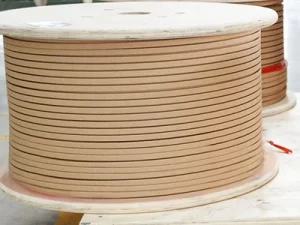
The dielectric strength of paper covered wire defines its ability to withstand electrical stress without breaking down, representing one of the most critical performance characteristics for transformer applications. Dielectric strength depends on the paper properties, oil impregnation quality, and absence of defects or contaminants that could initiate breakdown. Oil-impregnated paper dielectric strength typically ranges from 100 kV/mm to 300 kV/mm depending on paper thickness, oil quality, moisture content, and testing conditions. This strength exceeds that of pure transformer oil by a factor of three to five, demonstrating the synergistic benefit of the composite insulation system.
Voltage endurance testing evaluates how the insulation system performs under sustained voltage stress, revealing degradation mechanisms that might not appear in short-term tests. The aging characteristics under electrical stress determine the transformer voltage class and expected lifetime. Partial discharge testing identifies internal voids, contamination, or other defects that create localized electrical stress concentration. Partial discharge inception voltage and magnitude provide sensitive indicators of insulation quality that complement dielectric strength measurements.
Capacitance and Dissipation Factor
The capacitive and loss characteristics of paper covered wire insulation affect transformer performance, particularly at high frequencies and during transients. These characteristics derive from the polar nature of cellulose and the interface phenomena at the conductor-paper and paper-oil boundaries. Relative permittivity of oil-impregnated paper ranges from approximately 3.5 to 4.5, higher than the oil alone due to the polar nature of cellulose. This capacitance affects voltage distribution in windings, particularly for fast transients where capacitive currents dominate.
Dissipation factor measures the dielectric losses in the insulation system, with low values indicating minimal energy loss during AC cycling. Dissipation factor increases with moisture content, contamination, and thermal degradation, providing a sensitive indicator of insulation condition. IEEE and IEC standards define maximum dissipation factor limits for transformer insulation at operating temperature, with values typically below 0.5 percent for well-maintained transformers. Rising dissipation factor over time indicates degrading insulation that may require investigation and possible intervention.
Temperature and Thermal Aging
Temperature affects every aspect of paper covered wire performance, from immediate electrical properties to long-term aging behavior. Understanding thermal effects is essential for proper transformer design and operation. The dielectric strength of oil-impregnated paper decreases with increasing temperature, requiring conservative electrical stress levels at high operating temperatures. This temperature dependence must be accounted for in transformer design, particularly for overload conditions.
Thermal aging of paper insulation results from the combined effects of temperature, oxygen, moisture, and electrical stress over the transformer lifetime. The Arrhenius relationship describes the acceleration of aging reactions with temperature, approximately doubling the aging rate for each 8°C to 10°C increase in operating temperature. Lifetime predictions for paper insulation typically target retention of mechanical tensile strength as the end-of-life criterion, with transformers designed for 20-year or 30-year life at rated operating temperature. The actual lifetime achieved depends on loading patterns, ambient conditions, and maintenance practices that affect the actual temperature exposure.
Application in Transformer Windings
Paper covered wire is applied in various winding configurations depending on transformer type, size, and voltage class. The selection among layer windings, disc windings, and helical windings affects how paper covered wire is specified and processed. Layer windings arrange paper covered wire in adjacent layers across the winding width, with each layer consisting of multiple turns placed side by side. This configuration works well with rectangular or square conductors and provides efficient use of the winding window.
Paper covered wire in layer windings typically uses single paper or double paper insulation as required by the voltage between adjacent layers. Disc windings arrange conductor turns in flat discs separated by paper or celluloseboard barriers, with connections between discs forming the complete winding circuit. This configuration provides excellent voltage distribution and mechanical strength for high-voltage applications. Paper covered wire in disc windings may use heavier insulation for the outermost turns that face the highest voltage stress.
Helical windings use paper covered wire wound in a corkscrew pattern around the core leg, with supporting spacers maintaining channel width for oil flow. This configuration handles high-current low-voltage windings efficiently, with the flat rectangular conductor providing large surface area for heat dissipation.
Voltage Class Considerations
The voltage class of the transformer determines the insulation requirements for paper covered wire, with higher voltage applications requiring thicker or multiple paper layers to provide adequate dielectric strength. Low voltage transformers below 1 kV may use single paper covered wire with thin insulation layers, relying on the oil and paper combination to provide adequate safety margins. The insulation thickness is more influenced by mechanical requirements than electrical requirements at these voltage levels. Medium voltage transformers from 1 kV to 35 kV typically require double paper covered wire or heavier single paper insulation.
The voltage stress between turns and layers requires careful attention to insulation thickness and quality to prevent premature failure. High voltage transformers above 35 kV require comprehensive insulation systems that extend beyond the conductor insulation to include barriers, shields, and grading systems that control voltage distribution. Paper covered wire provides the turn and layer insulation within this larger system.
Current Rating and Conductor Sizing
Current rating determines the conductor cross-sectional area required to carry the load current without exceeding acceptable temperature rises. Paper covered wire is available in a wide range of conductor sizes to meet various current requirements. Round conductors range from approximately 0.5 mm to 10 mm diameter for transformer windings, with standard sizes following IEC and NEMA specifications that ensure availability and interchangeability. The current capacity of round conductors increases with diameter, but the surface area to cross-section ratio decreases, affecting cooling.
Rectangular conductors provide larger cross-sectional areas for high-current windings, with widths from approximately 2 mm to 20 mm and thicknesses from approximately 1 mm to 10 mm. The rectangular geometry provides efficient window fill in layer windings and better utilization of available winding space. Copper weight calculations for transformers require accurate conductor dimensions and length, with the paper insulation adding negligible weight compared to the conductor. Copper requirements directly affect transformer cost, driving optimization of conductor sizing to balance initial cost against losses and thermal performance.
Performance in Oil Type Transformers
Oil impregnation represents a critical manufacturing process that transforms dry paper covered wire into the high-performance oil-paper insulation system that enables reliable transformer operation. The quality of impregnation directly affects the dielectric strength and long-term stability of the insulation system. The impregnation process begins after the windings are assembled in the transformer tank, with subsequent heating under vacuum to remove moisture from both the paper insulation and any internal surfaces. The drying process typically involves temperatures of 100°C to 120°C under deep vacuum for extended periods ranging from several days to over a week depending on transformer size and moisture content.
Following satisfactory drying, the transformer tank is backfilled with degassed and dried transformer oil under vacuum conditions that ensure complete penetration of the oil into the paper insulation structure. The oil fills the voids between paper layers and within the paper fiber structure, creating the composite insulation system. Proper impregnation requires that no gas pockets remain within the winding structure, as gas voids create weak points susceptible to partial discharge and eventual breakdown. Careful process control and verification ensure complete impregnation throughout the winding structure.
Thermal Performance
The thermal performance of paper covered wire in oil type transformers benefits from the excellent heat transfer characteristics of transformer oil combined with the large surface area of the winding structure. Proper thermal design ensures that conductor temperatures remain within acceptable limits throughout the operational range. Oil circulation through the winding channels carries heat away from the conductors, with natural convection or forced circulation depending on transformer size and cooling requirements. The spacing between coils and the width of oil channels determine the oil flow characteristics and heat transfer efficiency.
The hot spot temperature in transformer windings represents the highest conductor temperature within the winding structure, typically occurring at locations with restricted oil flow or concentrated losses. Hot spot temperature directly determines the aging rate of the paper insulation, making accurate hot spot determination essential for reliable transformer life prediction. Temperature rise limits for transformer windings are standardized by IEEE and IEC, with different limits for different insulation thermal classes. The standard temperature rises of 60°C, 80°C, and 115°C for various insulation classes define the maximum allowable average winding temperature rise, with additional allowances for hot spot temperature.
Long-Term Aging Behavior
The long-term aging of paper covered wire in oil type transformers follows predictable patterns that enable accurate lifetime prediction when operating conditions are known. Understanding these aging mechanisms supports maintenance decisions and helps maximize transformer service life. Thermal aging of paper insulation results from oxidation, hydrolysis, and thermal decomposition reactions that progressively reduce the degree of polymerization of the cellulose molecules. As the cellulose chains shorten, the mechanical strength of the paper decreases, eventually reaching levels where the paper can no longer withstand mechanical stresses from short circuits or thermal cycling.
The aging rate accelerates dramatically with temperature, following the Arrhenius relationship that approximately doubles the aging rate for each 8°C to 10°C increase in operating temperature. This strong temperature dependence means that transformers operating at reduced loads or in cooler environments achieve significantly longer lives than the nameplate rating would suggest. Dissolved gas analysis detects aging byproducts in the transformer oil, with carbon monoxide and carbon dioxide indicating paper aging and various hydrocarbon gases indicating oil degradation. Regular monitoring of dissolved gases provides early warning of developing problems before they cause transformer failure.
Comparison with Alternative Insulation Systems
Thermally upgraded paper represents an enhancement to conventional kraft paper that extends the useful life of the insulation system at elevated temperatures. The chemical treatment creates cross-links in the cellulose structure that slow the thermal degradation reactions. The enhancement is typically achieved through amine treatment or epoxy treatment during paper manufacturing, with the treated paper maintaining acceptable properties at temperatures 15°C to 20°C higher than conventional paper. This enhancement comes at modest cost premium that is justified for transformers designed for higher operating temperatures.
Thermally upgraded paper behaves similarly to conventional paper in most respects, with the same oil impregnation characteristics and compatibility with standard manufacturing processes. The differentiator is the slower aging rate at high temperatures, enabling either longer life or higher operating temperature. The decision between conventional and thermally upgraded paper depends on the expected loading pattern, ambient conditions, and required life. Transformers expected to operate consistently near their thermal limits benefit most from thermally upgraded paper.
Nomex and Aramid Insulations
Synthetic insulations such as Nomex and other aramid papers provide alternatives to cellulose paper for applications requiring enhanced thermal or mechanical properties. These materials offer superior thermal stability and resistance to moisture absorption. Nomex insulation maintains its properties at temperatures up to 220°C, significantly exceeding the capability of cellulose paper. This high-temperature capability enables transformers to operate at higher temperatures or provides larger safety margins at conventional operating temperatures.
The cost of synthetic insulations substantially exceeds cellulose paper, limiting their use to applications where the enhanced properties justify the premium. High-temperature environments, severe duty cycles, and space-constrained designs may benefit from synthetic insulation. Oil compatibility must be verified when considering synthetic insulation for oil type transformers, as some materials interact differently with transformer oil than cellulose paper. The long-term stability of synthetic insulation in oil-immersed conditions requires careful evaluation.
Film Insulations
Polyester and polyimide film insulations provide high dielectric strength and excellent moisture resistance in some transformer applications. These materials offer different property profiles compared to paper insulation. Film insulation provides excellent dielectric strength on a thickness basis, but the lack of porosity affects oil impregnation and the composite system performance. Film insulations may be used in combination with paper to achieve specific design objectives.
The choice between film and paper insulation depends on the specific application requirements, with paper generally preferred for conventional oil-immersed transformers and film considered for specialized applications.
Maintenance and Condition Assessment
Condition assessment of paper covered wire insulation in operating transformers relies on various diagnostic techniques that provide indicators of insulation health without requiring disassembly or intrusive inspection. Dissolved gas analysis samples the transformer oil to detect gases generated by thermal and electrical degradation of the insulation system. Different gas combinations indicate different failure mechanisms, with specific gas ratios pointing to specific problem types such as thermal faults, partial discharge, or cellulose breakdown. Frequency response analysis measures the electrical characteristics of the winding over a range of frequencies, detecting changes in the mechanical support structure that might indicate winding movement or deformation.
This test is particularly valuable after short circuit events that may have damaged winding bracing. Capacitance and dissipation factor measurements compare current values to historical baselines, with changes indicating moisture ingress, contamination, or thermal degradation of the insulation system. These tests are performed during transformer outages and provide quantitative indicators of insulation condition.
Moisture Management
Moisture represents the primary threat to paper covered wire insulation in oil type transformers, making moisture management a critical aspect of transformer maintenance. Prevention of moisture entry and removal of accumulated moisture extend transformer life significantly. Sealed tank construction with silica gel breathers prevents moisture entry during temperature cycling by adsorbing moisture from air entering the transformer during cooling cycles. Regular inspection and replacement of desiccant maintains this protection throughout transformer life.
Moisture removal from operating transformers may be accomplished through various techniques including vacuum dehydration, thermal cycling with vacuum, and chemical dehydration using absorbents added to the oil. The appropriate technique depends on the moisture level and urgency of the situation. Moisture levels in paper insulation may be estimated from oil testing using established correlations such as the equilibrium curves relating oil moisture content to paper moisture content at specific temperatures. More accurate determination requires direct measurement of paper samples, which requires taking the transformer offline and obtaining samples.
Life Extension Strategies
Extending the useful life of transformers with paper covered wire insulation requires attention to operating conditions, maintenance practices, and timely intervention when problems develop. Reducing operating temperature extends insulation life significantly, with modest load reductions providing meaningful life extension. The strong temperature dependence of aging rate means that even small reductions in operating temperature provide substantial benefits over the long transformer life. Maintenance practices that prevent moisture accumulation and keep the insulation system clean and dry contribute to extended life.
Regular oil testing and filtering maintains oil quality that protects the paper insulation from contamination and moisture. Timely replacement of degraded components before failure prevents cascading damage that could destroy the windings. Monitoring and diagnostic programs identify developing problems early enough for planned intervention rather than emergency response.
Standards and Specifications
The International Electrotechnical Commission publishes standards that define requirements for paper covered wire used in oil type transformer windings, providing internationally recognized specifications for materials and testing. IEC 60317 specifies requirements for enameled and paper covered round copper wire for winding purposes, including dimensions, electrical properties, mechanical properties, and testing procedures. This standard provides the foundation for specifying paper covered wire internationally. IEC 60814 provides methods for testing insulation papers and pressboards, including procedures for determining dielectric strength, moisture content, and mechanical properties.
These testing methods support quality verification and condition assessment. IEC 60076 provides the overall standards for power transformers, including design requirements, testing procedures, and performance specifications that determine insulation requirements for transformer windings.
IEEE Standards
The Institute of Electrical and Electronics Engineers publishes standards primarily used in North America but recognized internationally, providing additional specifications for transformer materials and testing. IEEE Std 4 specifies techniques for high-voltage testing of power apparatus and systems, including procedures for testing paper covered wire and completed windings. This standard defines testing voltages and procedures for quality verification. IEEE Std C57.100 provides the standard test method for determining the water content in paper and paperboard used in oil-filled electrical apparatus.
This test supports condition assessment of paper insulation in operating transformers. IEEE Std C57.104 provides guidelines for interpreting dissolved gas analysis results for oil-immersed transformers, enabling condition assessment based on oil testing data.
Material Specifications
Transformer manufacturers typically develop detailed material specifications that supplement the international standards with additional requirements based on their specific designs and experience. These specifications define acceptable materials, testing requirements, and quality verification procedures. Conductor specifications define the required purity, dimensions, surface quality, and mechanical properties for copper and aluminum conductors used in windings. These specifications ensure consistent quality and performance across suppliers.
Paper specifications define the required paper type, thickness, density, and other properties needed for each application. Different voltage classes and thermal ratings require different paper specifications. Complete wire specifications combine conductor and paper requirements into comprehensive specifications for paper covered wire, including all properties that must be verified and the testing requirements for each property.
Design Considerations and Best Practices
Proper insulation coordination ensures that the insulation system provides adequate dielectric strength at every point in the transformer, with margins that account for manufacturing variations, aging, and voltage stress concentration. Design voltages determine the required dielectric strength at each location in the winding, with the paper covered wire insulation, oil gaps, barriers, and end turn grading all contributing to the complete insulation system. Safety factors account for variations in manufacturing, testing tolerances, and uncertainty in aging calculations. Standard safety factors range from 2.5 to 3.0 for power transformers, ensuring that the insulation system can withstand stresses exceeding normal operating conditions.
Transient voltage protection limits the voltage stresses imposed on the insulation during lightning and switching surges, with surge arresters and appropriate grounding providing protection against excessive transient voltages.
Mechanical Design
Mechanical design of windings with paper covered wire must accommodate electromagnetic forces during normal operation and short circuits, thermal expansion during temperature cycling, and vibration from magnetostriction and external sources. Short circuit forces create radial and axial stresses that can deform or displace windings if not properly contained. Bracing, blocking, and clamping systems distribute these forces throughout the winding structure and transfer them to the tank structure. Thermal expansion of conductors and core creates dimensional changes that stress the winding structure each time the transformer heats and cools.
Design must accommodate these dimensional changes without causing insulation damage or loose connections. Vibration from magnetostriction at twice the supply frequency creates cyclic stresses that can loosen connections and damage insulation over time. Vibration damping and secure bracing help manage these effects.
Process Control
Manufacturing process control ensures that paper covered wire is properly processed throughout the transformer build, with critical parameters monitored and controlled to maintain consistent quality. Winding tension must be controlled to prevent insulation damage while maintaining proper coil density. Too much tension damages paper insulation, while too little tension creates loose coils susceptible to movement and vibration. Drying and impregnation processes must achieve and maintain the conditions required for proper moisture removal and oil penetration.
Temperature, vacuum level, and processing time must be monitored and recorded for each transformer. Testing at various stages of manufacturing identifies problems early when correction is still possible. Incoming inspection, in-process testing, and final testing provide multiple opportunities to detect and correct quality problems.
Environmental and Economic Considerations
The sustainability of paper covered wire insulation relates to the renewable nature of cellulose-based materials and the very long life achievable with proper transformer management. Cellulose derives from wood, a renewable resource that can be sustainably managed through responsible forestry practices. The paper manufacturing process has become increasingly efficient, reducing the environmental footprint of paper production. The very long service life of properly maintained transformers, often exceeding 30 to 40 years, represents an inherent sustainability advantage of durable goods like power transformers.
Extending transformer life through good maintenance practices provides better resource utilization than premature replacement. Recycling of transformer materials at end of life recovers copper, steel, and oil for reuse. Proper decommissioning procedures ensure that materials are handled responsibly and recyclable content is recovered.
Total Cost of Ownership
Total cost of ownership analysis for transformers with paper covered wire insulation considers initial cost, losses, maintenance, and end-of-life. Initial cost includes material and manufacturing costs, with paper covered wire and transformer oil representing significant portions of the total material cost. Manufacturing efficiency affects the labor component of initial cost. Losses include no-load losses from core magnetization and load losses from conductor resistance.
These losses continue throughout transformer life, often exceeding the initial cost many times over for transformers with high loss ratings. Maintenance costs depend on the operating conditions and the maintenance practices followed. Well-maintained transformers typically have lower maintenance costs and longer lives than neglected units.
Conclusion
Paper covered wire for oil type transformer windings represents a mature, highly refined technology that has enabled reliable electrical power systems for over a century. The combination of copper or aluminum conductors with cellulose paper insulation and transformer oil creates an insulation system with exceptional dielectric properties, proven reliability, and well-understood aging behavior. The technical characteristics of paper covered wire including dielectric strength, thermal capability, mechanical properties, and manufacturing processes provide the foundation for reliable transformer design. Understanding these characteristics enables proper specification, quality verification, and maintenance throughout the transformer lifecycle.
The choice of paper covered wire for oil type transformer applications reflects its optimal balance of performance, cost, reliability, and sustainability. Alternative insulation materials offer specific advantages in particular applications but cannot match the overall value proposition of paper-oil insulation for most transformer applications. Proper handling of paper covered wire throughout manufacturing, installation, and operation ensures that the inherent capabilities of the material are realized in practice. Quality assurance, maintenance practices, and condition monitoring protect the investment in transformer assets and maximize the useful life of the insulation system.
The continued evolution of transformer design and manufacturing will likely produce further improvements in paper covered wire technology and processing methods, building on the strong foundation of over a century of successful application. This ongoing development ensures that paper covered wire will remain the preferred choice for oil type transformer windings for the foreseeable future.