

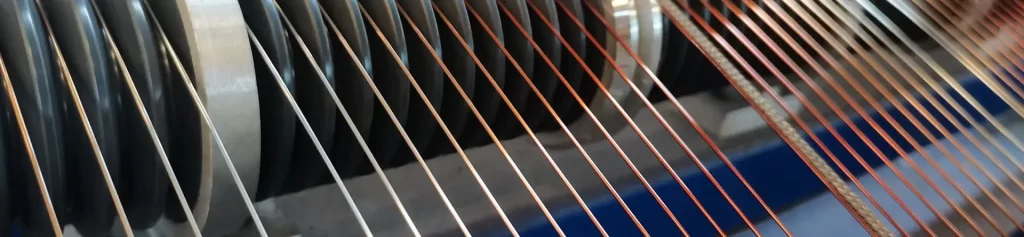
The selection of appropriate conductor configurations for transformer and electrical equipment applications requires careful consideration of the insulation systems and conductor geometries that best serve the application requirements. Paper covered wire and copper strip conductors represent two distinct approaches to providing both electrical conduction and insulation in transformer windings, each offering specific advantages for different operating conditions and design requirements. Paper covered wire combines a copper or aluminum conductor with layers of insulating paper wrapped around the bare metal, creating a conductor that can be wound directly into transformer coils without additional insulation processes. Copper strip conductors are flat copper bars that provide large cross-sectional area for high-current applications, typically requiring separate insulation systems or oil-immersed operation where the transformer oil provides the primary insulation.
Understanding the comparative characteristics of these two conductor types enables engineers and designers to optimize transformer designs for specific applications. This comprehensive guide examines the properties, advantages, limitations, and application suitability of paper covered wire and copper strip conductors, supporting informed decision-making for transformer design and manufacturing.
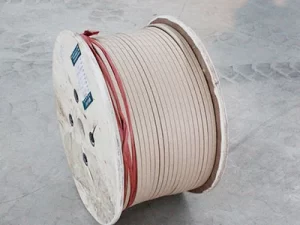
Paper Covered Wire Overview
Paper covered wire consists of a round or rectangular copper or aluminum conductor with one or more layers of insulating paper wrapped around the circumference. The paper insulation provides electrical isolation between adjacent turns in the winding and between the winding and the magnetic core. The copper or aluminum conductor typically meets standard conductivity requirements, with the cross-sectional area determining the current-carrying capacity. Conductor dimensions follow established standards that coordinate with winding equipment and core window dimensions.
Insulating paper for transformer applications is typically kraft paper or crepe paper, selected for its dielectric strength, mechanical flexibility, and compatibility with transformer oil. Paper thickness varies from approximately 0.05 mm to 0.20 mm depending on voltage class and mechanical requirements. The paper wrapping process applies controlled tension to ensure snug coverage without gaps, with overlapping wraps providing additional insulation thickness at the overlap points. Multiple paper layers increase the total insulation thickness for higher voltage applications.
Types of Paper Covered Wire
Various types of paper covered wire serve different application requirements based on voltage class, operating temperature, and environmental conditions. Single paper covered wire features one layer of insulating paper wrapped around the conductor. This construction serves lower voltage applications where space efficiency is important. Double paper covered wire provides two paper layers for enhanced insulation, meeting requirements for higher voltage classes and applications requiring additional safety margins.
Thermally upgraded paper undergoes chemical treatment to improve thermal capability, allowing operation at higher temperatures without degradation of insulation properties. Crepe paper covered wire uses crinkled paper that provides better conformability to the conductor and improved oil impregnation characteristics.
Copper Strip Conductors Overview
Copper strip conductors are flat copper bars with precisely controlled dimensions, designed for high-current applications where round wire cannot provide adequate cross-sectional area. The flat geometry enables efficient use of available winding space in transformer. Strip dimensions range from several millimeters to tens of millimeters in width, with thickness from approximately 1 mm to 10 mm. The width-to-thickness ratio affects the current distribution and skin effect characteristics at different frequencies.
Edge rounding and surface preparation ensure that strip edges do not damage interleaving insulation materials during winding operations. Square edges can create stress concentrations in insulation that lead to premature failure. Edge coating or insulation applied to the strip edges provides additional protection against voltage stress concentration at the conductor edges, particularly important in high-voltage applications.
Applications for Copper Strip
Copper strip conductors serve applications requiring high current ratings that exceed the practical limits of round wire conductors. Large power transformers use copper strip windings for high-current bushing connections and foil winding constructions that maximize window fill and minimize no-load losses. Rectifier transformers and furnace transformers often specify copper strip conductors for their high current requirements combined with controlled leakage reactance. Specialty transformers for electrochemical processes, rail transportation, and marine applications benefit from copper strip construction that meets unique dimensional and electrical requirements.
Electrical Performance Comparison
Both paper covered wire and copper strip conductors must be evaluated for current carrying capacity based on their thermal environment and cooling conditions. Paper covered wire current ratings depend on conductor cross-sectional area and the thermal dissipation characteristics of the winding. Transformer oil cooling enables higher current densities than air cooling. Copper strip conductors can carry higher absolute currents due to their larger cross-sectional areas, but current density must still be controlled to limit temperature rise within acceptable bounds.
The flat geometry of copper strip provides larger surface area per unit cross-section compared to round wire, potentially offering better heat dissipation in some configurations.
Voltage Performance
Voltage performance of the insulation system determines the application voltage range for each conductor type. Paper covered wire insulation provides reliable voltage isolation between turns and layers, with the paper thickness and number of layers scaled to the voltage class. Double paper construction provides additional margin for higher voltage applications. Copper strip conductors typically rely on interleaving insulation materials such as paper or celluloseboard between strip layers.
The flat geometry enables precise spacing control for consistent voltage distribution. Both conductor types benefit from oil immersion, where transformer oil provides additional dielectric strength and thermal conduction away from the windings.
Skin Effect and Proximity Effects
High-frequency current components create skin effect and proximity effects that influence conductor performance differently for round wire and strip geometries. Skin effect forces current toward the conductor surface, reducing the effective cross-section for alternating currents. Strip geometry with larger surface-to-area ratio provides somewhat better高频 performance characteristics. Proximity effects from adjacent conductors create non-uniform current distribution that must be considered in high-current winding designs.
Strip conductors arranged in flat layers experience different proximity effects than round wire in random wound layers. Transformer designers must account for these effects when selecting conductor geometries, particularly in inverters and other equipment operating with significant harmonic content.
Mechanical Characteristics
The winding process differs significantly between paper covered wire and copper strip, affecting manufacturing efficiency and equipment requirements. Paper covered wire winds on standard winding equipment designed for round or rectangular wire, with paper insulation providing turn-to-turn insulation automatically during the winding process. Copper strip requires specialized winding equipment capable of handling the rigid flat bar geometry, with careful control of tension and positioning to prevent insulation damage. Strip winding typically proceeds more slowly than round wire winding due to the mechanical handling requirements and the need for precise positioning of each turn.
Space Factor
Space factor, the ratio of conductor cross-section to the total window area, affects transformer size and performance. Paper covered wire achieves good space factors in layer wound constructions, with the paper insulation thickness determining the minimum turn spacing. Copper strip conductors in foil winding configurations achieve excellent space factors, with insulation between layers controlled precisely by interleaving materials. The window utilization efficiency influences both the material cost and the performance characteristics of the completed transformer.
Mechanical Strength
Mechanical forces during short circuits stress transformer windings, requiring conductors that withstand electromagnetic forces without deformation or insulation damage. Paper covered wire relies on the clamping structure and bracing to withstand short circuit forces, with conductor selection based on current rating rather than mechanical considerations. Copper strip conductors provide greater inherent mechanical strength due to their rigid bar construction, potentially reducing the bracing requirements in some designs. Both conductor types benefit from proper bracing and support structures that distribute short circuit forces throughout the winding assembly.
Application Suitability
Power transformer design involves balancing cost, performance, and manufacturing considerations when selecting conductor types. Distribution transformers below certain size thresholds commonly use paper covered wire for layer windings, achieving cost-effective designs with reliable performance. Large power transformers increasingly use copper strip for foil windings and high-current applications, where the manufacturing efficiency and performance advantages justify the material cost. The selection between conductor types often reflects regional manufacturing traditions and equipment availability as much as technical optimization.
Specialty Transformer Applications
Specialty applications present unique requirements that may favor one conductor type over the other. Furnace transformers and rectifier transformers with very high current ratings typically specify copper strip conductors to achieve the required current capacity with acceptable losses. Traction transformers for rail applications may use paper covered wire for their moderate voltage and current requirements, benefiting from the established manufacturing processes. Testing transformers and high-voltage laboratory equipment often use paper covered wire with multiple insulation layers to achieve the required voltage ratings.
Oil-Immersed vs Dry-Type
Cooling method influences conductor selection, with oil-immersed equipment able to utilize paper covered wire more effectively. Oil-immersed transformers benefit fully from paper insulation, which impregnates with oil to achieve high dielectric strength. The combination of paper and oil provides reliable insulation at reasonable cost. Dry-type transformers may require additional insulation systems beyond paper covered wire, potentially making alternative conductor constructions more attractive for some applications.
The choice between oil-immersed and dry-type designs often predates conductor selection, but the two choices interact in overall transformer optimization.
Cost Considerations
Material costs for conductors and insulation influence the economic attractiveness of each conductor type. Copper strip typically costs more per kilogram than equivalent copper in wire form, but the strip prices reflect the additional manufacturing processing and dimensional precision. Paper insulation costs are relatively low compared to conductor costs, making paper covered wire an economical choice for many applications. The total material cost must be considered alongside manufacturing efficiency and performance differences when making economic comparisons.
Manufacturing Costs
Manufacturing process differences create significant cost variations between conductor types. Paper covered wire winding on standard equipment benefits from established manufacturing processes with well-understood costs and productivity rates. Strip winding requires specialized equipment and typically slower winding speeds, increasing manufacturing labor and overhead costs per unit. The manufacturing cost differences may offset material cost advantages in some applications, requiring total cost analysis for accurate comparison.
Total Cost of Ownership
Total cost of ownership extends beyond initial material and manufacturing costs to include operating costs and equipment life. Transformer losses represent ongoing costs that accumulate over the equipment lifetime, potentially favoring designs with lower losses even at higher initial cost. Maintenance requirements differ between conductor types and cooling methods, influencing the service life cost of the equipment. Life cycle cost analysis provides the most accurate basis for economic comparison when application requirements permit either conductor type.
Quality and Standards
Both paper covered wire and copper strip conductors must meet applicable industry standards for dimensions, electrical properties, and quality verification. IEC standards define requirements for paper covered conductors used in transformers and inductors, including dimensions, paper thickness, and electrical characteristics. NEMA standards provide additional specifications commonly referenced in North American markets for transformer materials and components. Application-specific standards for transformers in specific industries may impose additional requirements beyond the general standards.
Quality Verification
Quality assurance practices verify that conductors meet specifications for critical electrical equipment. Dimensional verification ensures that conductor cross-sections and insulation thicknesses are within specified tolerances. Electrical testing confirms resistance, dielectric strength, and other properties meet requirements. Visual inspection identifies surface defects, insulation damage, or other issues that could affect transformer reliability.
Design Guidelines
Systematic conductor selection ensures optimal results for each application. Current rating requirements determine the minimum conductor cross-section, regardless of conductor type. Voltage class and insulation requirements influence the selection between paper covered wire types or strip conductor insulation configurations. Manufacturing capabilities and equipment availability may constrain the available options for a given design.
When to Select Paper Covered Wire
Paper covered wire is the appropriate choice when application requirements favor established manufacturing processes and cost-effective designs. Select paper covered wire for distribution transformers with moderate current ratings where layer winding provides efficient manufacturing. Select paper covered wire when standard equipment and processes are available to support the manufacturing requirements. Select paper covered wire for applications where the insulation performance and proven reliability of paper-oil systems meet the requirements.
When to Select Copper Strip
Copper strip conductors are appropriate when high current ratings or specific performance requirements favor strip geometry. Select copper strip for high-current applications exceeding the practical capacity of round conductors. Select copper strip when foil winding construction provides manufacturing or performance advantages for the specific application. Select copper strip when the mechanical strength of rigid strip conductors benefits the overall winding design.
Conclusion
The comparison between paper covered wire and copper strip conductors reveals distinct advantages and limitations for each conductor type, with the optimal choice depending on specific application requirements. Paper covered wire provides a cost-effective solution for many transformer applications, with established manufacturing processes and reliable performance in oil-immersed equipment. The combination of copper conductor and paper insulation creates an efficient system for moderate voltage and current ratings. Copper strip conductors address applications requiring high current capacity or specific construction approaches such as foil windings.
The rigid bar geometry provides mechanical advantages and enables precise control of winding dimensions. Design optimization requires systematic evaluation of current and voltage requirements, cooling conditions, manufacturing capabilities, and cost objectives. Neither conductor type universally outperforms the other; instead, each serves different application requirements optimally. Working with experienced transformer design engineers and material suppliers helps ensure that conductor selection supports the overall design objectives for performance, reliability, and cost effectiveness.