


The decision to use aluminum winding wire instead of copper represents an important engineering consideration that affects equipment cost, performance, weight, and reliability. While copper has traditionally been the dominant conductor material for winding wire applications, aluminum offers compelling advantages in specific situations that make it the preferred choice for many applications. Understanding when aluminum winding wire is the appropriate choice requires knowledge of the material properties, application requirements, and the specific advantages that aluminum provides. This guide examines the scenarios where aluminum winding wire excels and should be considered as the primary material option.
This comprehensive technical guide provides engineers, designers, and procurement professionals with the information needed to make informed decisions about when aluminum winding wire is the right choice for their specific applications.
Cost-Driven Application Scenarios
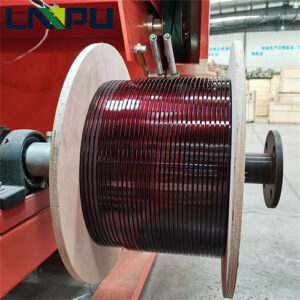
Large power transformers represent the most established application for aluminum winding wire, where the cost savings from using aluminum rather than copper can be substantial. The raw material cost difference between aluminum and copper means that a large transformer with aluminum windings can cost 15 to 25 percent less than an equivalent copper-wound design. For large transformers costing millions of dollars, this percentage represents significant absolute savings. The larger conductor cross-section required for aluminum windings increases transformer core size and tank size, partially offsetting raw material savings.
However, for transformers above certain size thresholds, the net cost advantage of aluminum consistently makes it the economical choice. Utility companies and industrial facilities specifying large transformers frequently specify aluminum windings as the standard to achieve these cost advantages without sacrificing reliability or performance.
High-Volume Motor Manufacturing
High-volume motor manufacturers often select aluminum winding wire to achieve cost competitiveness in price-sensitive markets. The per-unit cost savings from aluminum windings multiply across high production volumes, making aluminum an attractive option for manufacturers serving mass-market applications where cost is a primary competitive factor. Motors for appliances, HVAC equipment, and industrial machinery that are produced in millions of units annually can achieve meaningful cost reductions through aluminum winding wire selection. The key is ensuring that the larger conductor sizes required for aluminum do not increase motor frame sizes in ways that offset the material cost savings.
Cost-Sensitive Distribution Equipment
Distribution transformers, switchgear, and similar equipment serving regulated utility markets often specify aluminum windings to meet cost requirements while maintaining required performance levels. Utility rate structures and regulatory frameworks in many regions effectively mandate aluminum windings for distribution equipment to achieve the cost levels that enable viable electricity distribution. The established reliability record of aluminum-wound distribution equipment over many decades of service provides confidence that aluminum is an appropriate choice even for critical infrastructure applications.
Weight-Sensitive Applications
Electric vehicles and electrified transportation systems frequently specify aluminum winding wire to achieve weight reduction that extends range or improves efficiency. Battery electric vehicles benefit from weight reduction in all components, including motors and power electronics. Aluminum windings contribute to overall vehicle weight reduction that directly impacts driving range. Electric bus and truck applications particularly benefit from aluminum windings, where the reduced weight enables either longer range or greater passenger or cargo capacity.
The weight savings from aluminum motors must be balanced against any performance trade-offs, but in many cases the net result is favorable for the transportation application.
Aerospace Systems
Aerospace applications prioritize weight reduction above almost all other considerations, making aluminum winding wire attractive for motors and generators where its weight advantage provides meaningful benefits. The weight of electrical equipment in aircraft directly affects fuel consumption and payload capacity. Every kilogram of weight reduction contributes to operational efficiency. Airborne power generation systems, actuator motors, and other electrical equipment in aircraft benefit from aluminum windings where the technical requirements can be met with aluminum conductor.
The rigorous testing and qualification requirements for aerospace applications ensure that any aluminum winding wire selection meets the demanding reliability requirements of flight systems.
Marine and Offshore Installations
Marine vessels and offshore platforms benefit from reduced weight in ways that affect stability, fuel efficiency, and cargo capacity, making aluminum winding wire attractive for appropriate applications. Ship electrical systems including propulsion motors, generators, and distribution transformers can benefit from aluminum windings where the weight savings contribute to vessel performance. Offshore platforms have strict weight limits for topside equipment, and aluminum windings can help manage weight budgets while meeting power requirements. Corrosion considerations in marine environments must be addressed through appropriate material selection and protection, but these requirements can be met with aluminum conductors.
Thermal Application Considerations
Certain high-temperature applications may favor aluminum winding wire when the thermal environment is the dominant design constraint. Motors and transformers operating in hot environments such as steel mills, glass factories, or desert installations may benefit from the thermal characteristics of aluminum windings. The thermal conductivity of aluminum helps dissipate heat from the winding, contributing to thermal management in high-temperature environments. Careful thermal analysis is required to ensure that aluminum windings can achieve the required temperature class in the specific thermal environment.
Thermal Cycling Applications
Applications involving frequent thermal cycling may benefit from the thermal expansion characteristics of aluminum windings. The thermal expansion coefficient of aluminum is higher than copper, which creates different stress patterns during thermal cycling. In some cases, these stress patterns may be less damaging to the overall winding structure. Motors subject to frequent starting and stopping cycles experience thermal cycling that stresses the winding insulation.
Analysis of the specific cycling conditions helps determine whether aluminum or copper provides better durability. The termination and connection design must accommodate the specific thermal expansion behavior of aluminum to ensure reliable performance under thermal cycling conditions.
Design Flexibility Opportunities
Applications where larger equipment dimensions are acceptable or even advantageous may favor aluminum winding wire. Some equipment designs can accommodate the larger conductor cross-sections required for aluminum without penalty. In these cases, aluminum provides cost and weight advantages without significant downside. Large motors and transformers where the physical size is not constrained by the application can freely use aluminum windings to achieve cost and weight benefits.
The larger winding cross-section with aluminum conductors can actually provide benefits in some cases, such as improved thermal mass or reduced eddy current losses.
Custom Winding Designs
Custom equipment designs can optimize the winding geometry for aluminum conductors, potentially achieving advantages not available with standard copper-wound designs. Winding designers can specify conductor dimensions and insulation systems optimized for aluminum, rather than simply substituting aluminum for copper in designs intended for copper conductors. This optimization approach can lead to designs that take full advantage of aluminum properties while addressing any limitations through design choices. Working with experienced winding wire suppliers helps ensure that the aluminum winding wire selection is optimized for the specific application requirements.
Established Application Categories
Distribution transformer applications represent the largest single category where aluminum winding wire is the standard choice in most markets worldwide. Single-phase and three-phase distribution transformers used in utility power distribution systems have decades of proven service with aluminum windings. The combination of cost effectiveness, established reliability, and adequate performance makes aluminum the default choice for distribution transformer applications. Utility specifications for distribution transformers typically include detailed requirements for aluminum windings that ensure quality and reliability.
Hermetic Motors
Hermetically sealed motors for compressors, refrigeration, and similar applications have successfully used aluminum winding wire for decades. The sealed construction protects aluminum windings from environmental exposure that could accelerate connection degradation. Compressor motors for air conditioning and refrigeration systems commonly use aluminum windings, with millions of such motors in service worldwide. The reliability of aluminum-wound hermetic motors in these applications demonstrates that aluminum is appropriate for demanding continuous-duty applications.
Large Industrial Motors
Large industrial motors above certain horsepower ratings often specify aluminum windings as an option that provides cost benefits without sacrificing performance. Motors above 200 horsepower or so typically benefit from aluminum winding cost savings that outweigh any performance considerations. The larger frame sizes required for aluminum motors do not present problems in industrial settings where space is generally available. Heavy industrial applications including pumps, fans, compressors, and other equipment commonly use aluminum-wound motors with excellent reliability.
Considerations Against Aluminum Use
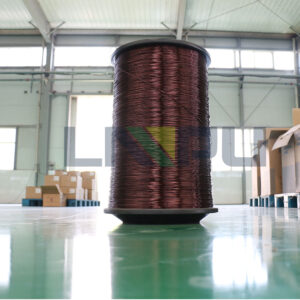
Applications where equipment size must be minimized typically cannot accommodate the larger conductor cross-sections required for aluminum windings. Small motors for appliances, electronics, and other size-critical applications generally require copper conductors to achieve the necessary performance in the available space. Motors with very high power density requirements may not be able to achieve their performance targets with aluminum conductors. When physical dimensions are fixed constraints, copper winding wire is typically required to meet performance requirements.
High-Efficiency Requirements
Motors designed to meet premium efficiency standards may benefit from copper windings to achieve the necessary performance levels. The lower resistance of copper conductors reduces I²R losses, which can be significant in high-efficiency motors where every percentage point of efficiency matters. NEMA Premium efficiency motors and similar high-efficiency equipment may use copper windings to meet the stringent efficiency requirements. However, aluminum-wound motors can also achieve good efficiency levels, and the specific efficiency targets determine whether aluminum or copper is appropriate.
Frequent Load Cycling
Applications involving very frequent load changes may experience different fatigue behavior with aluminum versus copper windings. The specific load cycle profile must be analyzed to determine whether aluminum provides adequate fatigue life in the application. High-inertia loads, frequent reversals, or severe duty cycles may favor copper windings with their superior fatigue resistance. Engineering analysis of the specific application conditions determines whether aluminum or copper is the appropriate choice.
Technical Decision Factors
Proper conductor sizing for aluminum windings accounts for the lower conductivity of aluminum compared to copper. Design calculations must use the appropriate resistivity values for aluminum rather than simply scaling copper designs. The larger cross-sectional area required for aluminum affects winding geometry, slot fill, and overall coil dimensions. Working with aluminum winding wire specialists helps ensure that designs are properly optimized for aluminum conductors.
Thermal Class Selection
The thermal class of aluminum winding wire must be appropriate for the application temperature requirements. Aluminum wire is available in the same thermal classes as copper, from Class 105 through Class 220 and beyond, depending on the insulation system. Thermal analysis of the complete winding ensures that hot spot temperatures stay within the rated thermal class. The thermal performance of aluminum windings must be verified through calculation or testing to ensure adequate margin.
Connection System Design
Connection system design for aluminum winding wire must address the specific characteristics of aluminum. Special terminal designs, anti-oxidant compounds, and appropriate torque specifications ensure reliable connections. Connection hardware rated for aluminum wire should always be used, with proper installation procedures followed. The additional attention required for aluminum connections must be factored into manufacturing processes and quality assurance.
Quality and Supplier Selection
Quality systems for aluminum winding wire suppliers ensure consistent material properties and reliable performance. ISO 9001 and industry-specific quality certifications provide assurance of supplier quality systems. Material certifications and traceability support quality verification for critical applications. Incoming inspection and testing verify that received materials meet specifications.
Technical Support
Working with suppliers who provide technical support helps ensure successful aluminum winding wire application. Application engineering assistance helps optimize designs for aluminum conductors. Design review and failure analysis support help resolve any issues that arise during manufacturing or testing. Supplier technical expertise is particularly valuable when transitioning from copper to aluminum designs.
Material Availability
Aluminum winding wire availability should be verified with suppliers for the specific sizes and insulation classes required. Standard sizes and thermal classes are generally readily available, while specialty items may require longer lead times. Supplier relationships and supply agreements help ensure reliable material availability for production schedules. Multiple qualified suppliers reduce supply chain risk for critical applications.
Making the Decision
A systematic decision process helps ensure that the aluminum versus copper choice is made on the basis of appropriate technical and economic factors. Identify the primary selection drivers: cost, weight, space, efficiency, or other factors. Evaluate each option against the primary drivers and any constraints or requirements. Consider the total cost of ownership rather than just initial material cost.
Document the rationale for the selection to support future decisions and continuous improvement.
When to Choose Aluminum
Choose aluminum winding wire when cost reduction is a primary objective and the application can accommodate larger conductor sizes. Choose aluminum when weight reduction benefits the application and the performance requirements can be met. Choose aluminum in applications with established aluminum winding wire practice such as distribution transformers. Choose aluminum when the connection and termination requirements can be properly addressed.
When to Choose Copper
Choose copper winding wire when space constraints require minimum conductor size for the application. Choose copper when maximum efficiency is required and the size constraints allow copper conductors. Choose copper in applications where the established practice is copper and no compelling advantage favors aluminum. Choose copper when the application involves frequent load cycling or other conditions where copper fatigue resistance is beneficial.
Conclusion
The decision to use aluminum winding wire should be based on a systematic evaluation of the specific application requirements, economic factors, and technical constraints. Aluminum winding wire provides significant advantages in cost and weight that make it the preferred choice in many applications. The established reliability record of aluminum windings in distribution transformers, hermetic motors, and large industrial motors demonstrates that aluminum is appropriate for demanding applications when properly designed and manufactured. Understanding when aluminum winding wire is the right choice enables engineers and designers to make informed decisions that optimize the balance of cost, performance, weight, and reliability for their specific applications.
The key is matching the material characteristics to the application requirements, using aluminum where its advantages are most valuable and using copper where its superior conductivity or other properties are necessary.