


Fans and pumps are the most widely used general-purpose electromechanical equipment in industrial and civil fields, widely applied in HVAC systems, industrial ventilation, water supply systems, irrigation systems, cooling systems, and other fields. As the core power component of fans and pumps, the performance and reliability of the motor directly determine the operating efficiency and service life of the entire system. The winding wire, as the “heart” of the motor, plays a decisive role in the motor’s performance through its selection and quality.
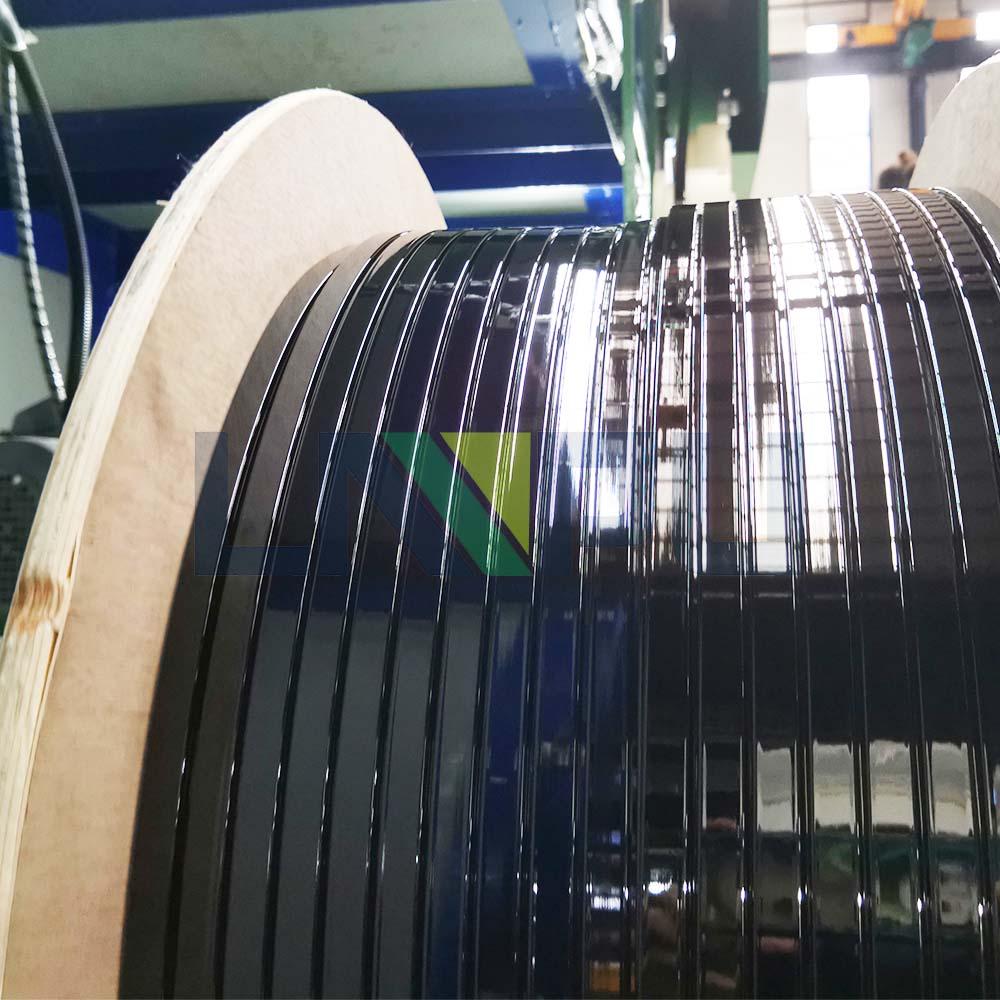
This article provides a systematic technical guide for equipment design engineers and purchasing decision-makers from seven dimensions: product definition, application scenario analysis, conductor material selection, insulation and protection systems, key manufacturing processes, quality control, and selection guidelines for fan and pump motor winding wires.
I. Product Definition of Fan and Pump Motor Winding Wires
Fan and pump motor winding wires are electromagnetic wire products specifically designed for various types of fans and pump drive motors, mainly including two categories: enameled copper wire and enameled aluminum wire.
Characteristics of Winding Wires for Fan Motors:
- Continuous Operation: Fans typically require long-term continuous operation
- Variable Speed Control: Modern fans mostly use frequency conversion speed regulation
- Diverse Environments: Indoor, outdoor, high-temperature, and humid environments
- Energy Efficiency Requirements: Meets IE3/IE4 energy efficiency standards
Characteristics of Winding Wires for Pump Motors:
- Humid Environment: Pump motors often operate in humid or submerged environments
- High Protection Rating: IP55/IP65/IP68
- Frequent Starts: Some pumps frequently start and stop
- Corrosion Resistance: Contact with water or chemical liquids
II. Application Scenarios Analysis
2.1 Fan Motor Applications
HVAC Fans:
- Indoor and outdoor air conditioning fan motors
- Fresh air system fan motors
- Fan coil unit motors
- Insulation Class: Class B/F
- Protection Rating: IP44/IP54
Industrial Fans:
- Industrial ventilation fan motors
- Cooling tower fan motors
- Boiler induced draft fan motors
- Insulation Class: Class F
- Protection Rating: IP54/IP55
Exhaust Fans:
- Bathroom exhaust fan motor
- Kitchen exhaust fan motor
- Insulation Class: Class B
- Protection Rating: IP44
2.2 Water Pump Motor Applications
SEO营销文章大纲-1.jpg)
Circulating Pumps:
- HVAC circulating water pump
- Industrial circulating water pump
- Insulation Class: Class F
- Protection Rating: IP55
Submersible Pumps:
- Deep well submersible pump
- Sewage submersible pump
- Insulation Class: Class F/H
- Protection Rating: IP68
- Special Requirements: Water pressure resistance, moisture resistance
Centrifugal Pumps:
- Water supply centrifugal pump
- Industrial centrifugal pump
- Insulation Class: Class F
- Protection Rating: IP55
III. Conductor Material Selection
3.1 Enameled Copper Wire
Enameled copper wire is the mainstream choice for fan and water pump motor windings:
Advantages:
- High conductivity (≥100% IACS), high energy efficiency
- Good mechanical strength, vibration resistance
- Corrosion resistance, long service life
- Good welding performance
Applications:
- High-efficiency fan/pump motors (IE3/IE4)
- Variable frequency fan/pump motors
- Submersible pump motors
- Industrial fan/pump motors
3.2 Enameled Aluminum Wire
The application of enameled aluminum wire in some fan and pump motors is gradually increasing:
Advantages:
- Low cost, approximately 30-40% of copper wire
- Lightweight, approximately 30% of copper wire
- Meets basic performance requirements
Applications:
- Household exhaust fan motors
- Small circulating pump motors
- Cost-sensitive products
3.3 Copper vs. Aluminum Selection
| Considerations | Copper Wire | Aluminum Wire |
|---|---|---|
| Conductivity | 100% IACS | 61% IACS |
| Cost | High | Low (30-40%) |
| Weight | Heavy | Light (30%) |
| Corrosion Resistance | Excellent | Moisture protection required |
| Connection Method | Conventional welding | Special treatment required |
IV. Insulation and Protection System
4.1 Insulation Class
Common insulation classes for fan and pump motor windings:
| Insulation Class | Maximum Operating Temperature | Typical Applications |
|---|---|---|
| Class B (130°C) | 130°C | Household exhaust fans, small fans |
| Class F (155°C) | 155°C | Industrial fans, circulating pumps, centrifugal pumps |
| Class H (180°C) | 180°C | High-temperature fans, special operating conditions |
4.2 Protection Class
Pump motors have higher protection requirements:
| Protection Class | Protection Capacity | Typical Applications |
|---|---|---|
| IP44 | Splash-proof | Indoor fans |
| IP54 | Dustproof, splash-proof | Outdoor fans, indoor pumps |
| IP55 | Dustproof, water spray resistant | Industrial fans, circulating pumps |
| IP65 | Dustproof, strong water spray resistant | Outdoor pumps, industrial pumps |
| IP68 | Dustproof, long-term immersion resistant | Submersible pumps |
4.3 Moisture Resistance
Fan and pump motors often operate in humid environments, and the winding wires must have good moisture resistance:
Moisture Resistance Test:
- Humidity Test: Tested at 95% relative humidity
- Immersion Test: Submersible pump winding wires must pass the immersion test
- Evaluation Indicators: Insulation resistance retention rate, breakdown voltage retention rate
4.4 Insulation Material Types
Polyester (PE) Enameled Wire:
- Thermal class: Class B
- Low cost, suitable for conventional fan/pump motors
- Good electrical and mechanical properties
Polyester Imide (PEI) Enameled Wire:
- Thermal class: Class F
- Suitable for industrial fan and pump motors
- Good heat and moisture resistance
Polyamide Imide (PAI) Enameled Wire:
- Thermal class: Class H
- Suitable for high-temperature applications
- Excellent mechanical strength and chemical resistance
V. Key Manufacturing Processes
5.1 Wire Drawing Process
Copper Wire Drawing:
- Multi-pass drawing to ensure wire diameter accuracy
- Good die condition to avoid surface scratches
- Controlled drawing speed to ensure surface quality
Aluminum Wire Drawing:
- Controlled drawing tension to avoid wire breakage
- Good surface lubrication
- Pay attention to work hardening of aluminum wire
5.2 Annealing Process
Temperature Control:
- Annealing temperature for copper wire: 400-600°C
- Annealing temperature for aluminum wire: 300-500°C
- Protective atmosphere: Nitrogen or vacuum to prevent oxidation
Performance Requirements:
- Conductivity recovery: Copper wire ≥100% IACS, Aluminum wire ≥61% IACS
- Flexibility: Passes bending test
5.3 Coating Process
Thin Coating Multiple Times:
- Ensure uniform and dense enamel coating
- Avoid excessive enamel coating leading to cracking
- Enamel coating thickness control: determined according to insulation class
Baking and Curing:
- Precise temperature profile control
- Ensure full curing of enamel coating
- Avoid over-baking leading to embrittlement of enamel coating
5.4 Winding Process
Tension Control:
- Uniform winding tension, avoid being too loose or too tight
- Special attention needs to be paid to tension control for aluminum wire winding
Neat Wire Arrangement:
- Ensure neat winding arrangement
- Avoid crossing and overlapping
VI. Quality Control
6.1 Raw Material Inspection
Conductor Inspection:
- Copper wire: Purity ≥99.9%, conductivity ≥100% IACS
- Aluminum wire: Purity ≥99.5%, conductivity ≥61% IACS
- Wire diameter tolerance: ±0.002mm
Insulation Varnish Inspection:
- Breakdown voltage
- Flexibility
- Enamel coating continuity (spark test)
- Moisture resistance (if applicable)
6.2 Production Process Inspection
| Process | Control Points | Inspection Items |
|---|---|---|
| Drawing | Compression ratio, mold condition | Wire diameter accuracy, surface quality |
| Annealing | Temperature profile, protective atmosphere | Conductivity, flexibility |
| Coating | Enamel coating thickness, uniformity | Breakdown voltage, appearance |
| Baking | Temperature profile, time | Enamel coating curing degree, flexibility |
6.3 Factory Inspection
The winding wires of fan and water pump motors must undergo strict inspection before leaving the factory:
| Inspection Items | Requirements |
|---|---|
| Conductor Dimensions | Meets tolerance requirements |
| Breakdown Voltage | ≥ Specified value |
| Flexibility | Passes bending test |
| Enamel Coating Continuity | No breakdown in spark test |
| Moisture Resistance | Insulation resistance ≥ specified value (if applicable) |
VII. Selection Guide
7.1 Application Scenarios Confirmation
Select according to fan or pump type and motor operating conditions:
- HVAC Fans: Conventional enameled wire, Class B/F, IP44/IP54
- Industrial Fans: Industrial grade enameled wire, Class F, IP54/IP55
- Circulating Pumps: Moisture resistant enameled wire, Class F, IP55
- Submersible Pumps: Waterproof enameled wire, Class F/H, IP68
7.2 Conductor Material Selection
- Copper Wire: High-efficiency motors, variable frequency motors, submersible pumps, industrial applications
- Aluminum Wire: Cost-sensitive, household fans, low-power pumps
7.3 Insulation Class Selection
Select according to motor operating temperature:
- Class B (130°C): Conventional fan/pump motors
- Class F (155°C): Industrial fan/pump motors
- Class H (180°C): High-temperature fans, special operating conditions
7.4 Protection Rating Confirmation
Ensure the protection rating of the winding wires and motor meets the application environment requirements:
- Indoor Fans: IP44/IP54
- Outdoor Fans: IP54/IP55
- Circulating Pumps: IP55
- Submersible Pumps: IP68
7.5 Certification Requirements
Ensure the product meets relevant certification requirements:
- UL: North American market
- CE: European market
- CCC: Chinese market
- RoHS: Environmental requirements
Conclusion
As the core material of fan and pump equipment, the performance of motor winding wires directly affects the efficiency, reliability, lifespan, and safety of the equipment. Scientifically and rationally selecting winding wire materials and insulation systems based on specific application scenarios, working environments, energy efficiency requirements, and cost budgets is crucial to ensuring the long-term reliable operation of fan and pump equipment.
Collaborating with professional winding wire manufacturers to ensure product quality and supply chain stability is an important guarantee for the success of fan and pump equipment manufacturers.