

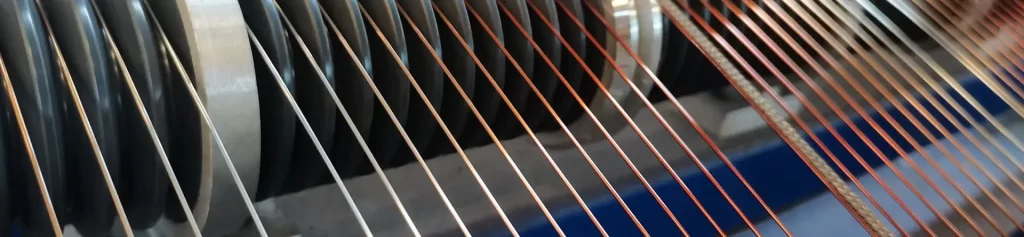
High voltage magnet wire is a winding conductor used in high voltage motors, generators, and transformers with a rated voltage ≥1000V. Compared to low voltage magnet wire, high voltage magnet wire faces more severe insulation challenges: partial discharge, corona effect, insulation breakdown, and frequency conversion pulse voltage (dv/dt) issues place higher demands on the insulation system of the magnet wire.
With the rapid development of high voltage variable frequency motors, wind turbines, new energy power generation, and rail transportation, the market demand for high voltage magnet wire continues to grow. This article provides a systematic technical guide for motor design engineers and purchasing decision-makers from seven dimensions: product definition, insulation system, core technology challenges, manufacturing process, application scenarios, quality control, and selection guidelines.
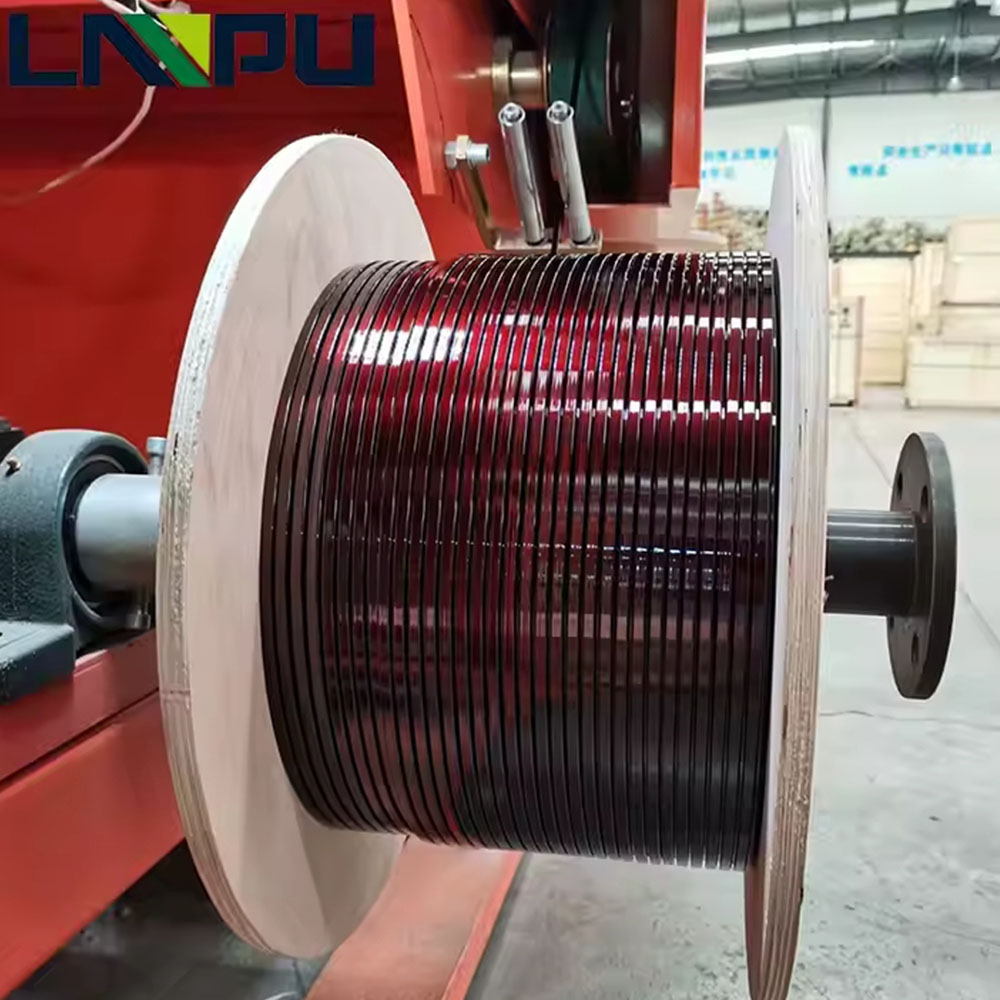
I. Product Definition of High Voltage Magnet Wire
High voltage magnet wire refers to a winding wire product that, based on conventional magnet wire, adopts a multi-layer composite insulation structure and can withstand high voltage stress (typically ≥1000V).
Voltage Rating Classification:
| Voltage Rating | Range | Typical Applications |
|---|---|---|
| Low Voltage | <1000V | General Motors, Home Appliance Motors |
| Medium High Voltage | 1000V-6900V | Industrial Motors, Variable Frequency Motors |
| High Voltage | 6900V-15000V | Large Motors, Generators |
| Ultra High Voltage | >15000V | Extra-Large Generators, Transformers |
Structural Composition:
- Conductor: Oxygen-free copper or electrical aluminum
- Primer Layer: Polyester imide (PEI), etc., providing basic insulation
- Corona Resistant Layer: Nano-inorganic filler layer, suppressing partial discharge
- Topcoat Layer: Polyamide imide (PAI), etc., providing mechanical and chemical protection
Differences from Ordinary Enameled Wire:
- Thicker insulation layer, typically ≥2-3 layers
- Uses corona resistant composite materials
- Needs to resist partial discharge and corona effect
- Suitable for variable frequency pulse voltage conditions
II. Insulation System
The core of high voltage winding wire lies in its multi-layer composite insulation system.
2.1 Insulation Material Types
Polyester Imide (PEI) Primer:
- Good electrical insulation performance
- Excellent flexibility
- Thermal class: Class 155 (F grade)
Polyamide Imide (PAI) Topcoat:
- Extremely high mechanical strength and abrasion resistance
- Excellent chemical resistance
- Thermal class: Class 200 (H grade)
Corona Resistant Layer:
- Contains nanoscale inorganic fillers (such as alumina, titanium dioxide)
- Effectively suppresses partial discharge
- Extends insulation life
2.2 Composite Insulation Structure
A typical high voltage winding wire insulation structure is a three-layer composite:
| Layer | Material | Function |
|---|---|---|
| Primer Layer | PEI | Basic insulation, adhesion |
| Corona Resistant Layer | Nanocomposite Material | Suppresses partial discharge, corona resistant |
| Topcoat Layer | PAI | Mechanical protection, chemical resistance |
2.3 Insulation Class
| Insulation Class | Maximum Operating Temperature | Typical Applications |
|---|---|---|
| Class F (155°C) | 155°C | General Industrial High-Voltage Motors |
| Class H (180°C) | 180°C | Variable Frequency Motors, Traction Motors |
| Class 200 (200°C) | 200°C | Wind Turbines, Special Operating Conditions |
III. Core Technology Challenges
3.1 Partial Discharge
Partial discharge is the most significant challenge faced by high voltage windings:
Mechanism of Generation:
- Under high voltage, discharge occurs in tiny gaps inside or on the surface of the insulation layer
- Electrons and ions generated by the discharge gradually erode the insulation material
- Long-term partial discharge eventually leads to insulation breakdown
Suppression Measures:
- Use corona-resistant insulation materials
- Increase the thickness of the insulation layer
- Optimize insulation structure and reduce voids
- Add nano-inorganic fillers
3.2 Corona Effect
The corona effect is particularly prominent in high voltage windings:
Conditions for Occurrence:
- Ionization of air or insulation surface under high voltage gradient
- Variable frequency pulse voltage (dv/dt) exacerbates the corona effect
- Thin air at high altitudes reduces corona voltage
Harm:
- Insulation surface erosion
- Ozone generation, accelerating insulation aging
- Electromagnetic interference (EMI)
3.3 Variable Frequency Pulse Voltage (dv/dt)
The pulse voltage in variable frequency motors places higher demands on the winding insulation system:
Challenges:
- Pulse voltage peaks can reach 2-3 times the rated voltage
- High-frequency pulses cause skin effect and proximity effect
- The insulation layer withstands repeated electrical stress impacts
3.4 Insulation Breakdown
Types of Breakdown:
- Electrical breakdown: Voltage exceeds the insulation withstand voltage limit
- Thermal breakdown: Excessive temperature leads to insulation degradation
- Mechanical breakdown: Mechanical stress leads to insulation damage
IV. Key Manufacturing Processes
4.1 Conductor Preparation
High voltage winding wires typically use oxygen-free copper conductors:
Conductor Requirements:
- Purity ≥99.9%
- Smooth surface, free from oxidation and scratches
- Dimensional accuracy: ±0.002mm
4.2 Coating Process
The coating process for multi-layer composite insulation is the core of high voltage winding wire manufacturing:
Primer Coating:
- Apply thin coats multiple times to ensure a dense and uniform primer
- Primer thickness controlled at 30-40% of the total insulation thickness
Corona-Resistant Layer Coating:
- Use a special insulating varnish containing nano-inorganic fillers
- Control coating thickness to ensure uniform filler distribution
- Corona-resistant layer thickness accounts for 20-30% of the total insulation thickness
Topcoat Coating:
- Use high-performance polyamide-imide (PAI) varnish
- Topcoat thickness accounts for 30-40% of the total insulation thickness
4.3 Baking and Curing
Temperature Control:
- The baking temperature for each layer of paint is set according to the characteristics of the paint
- The temperature profile needs to be precisely controlled to ensure full curing
Time Control:
- The baking time is set according to the coating thickness and temperature
- Ensure that each layer of paint is fully cured before applying the next layer
4.4 Quality Inspection
The quality inspection of high voltage winding wire is more stringent than that of ordinary enameled wire:
Routine Inspection:
- Dimensions (conductor dimensions, insulation thickness)
- Breakdown voltage
- Flexibility
- Enamel coating continuity (spark test)
High-Voltage Special Inspection:
- Partial discharge test
- Corona resistant life test
- Variable frequency pulse voltage withstand test
V. Application Scenarios
5.1 High-Voltage Motors
High voltage motors are the main application areas for high voltage winding wire:
Industrial Motors:
- Large pumps, fans, compressors
- Rated voltage: 3.3kV, 6.6kV, 11kV
- Power range: hundreds of kW to tens of MW
Variable Frequency Motors:
- High-voltage frequency converter drive motors
- Require withstanding high-frequency pulse voltages (dv/dt)
- Have extremely high requirements for corona resistance
5.2 Wind Turbines
The demand for high voltage winding wires in wind turbines continues to grow:
Technical Requirements:
- Resistance to high and low temperatures (-40°C to +180°C)
- Resistance to salt spray corrosion (offshore wind power)
- High reliability and long lifespan (over 20 years)
5.3 Traction Motors
Rail transit traction motors use high voltage winding wires:
Technical Requirements:
- Vibration and shock resistance
- Resistance to high and low temperature cycling
- Flame retardant, low smoke, halogen-free
5.4 Other Applications
- Large generators: Stator windings, rotor windings
- Transformers: High-voltage windings
- Reactors: High-voltage filter reactors
VI. Quality Control
6.1 Raw Material Inspection
Conductor Inspection:
- Purity, conductivity
- Dimensional accuracy
- Surface quality
Insulation Varnish Inspection:
- Solid content, viscosity
- Breakdown voltage
- Corona resistant performance
6.2 Production Process Inspection
| Process | Control Points | Inspection Items |
|---|---|---|
| Coating | Enamel coating thickness, uniformity | Insulation thickness, appearance |
| Baking | Temperature profile, time | Enamel coating curing degree |
| Lamination | Interlayer adhesion | Interlayer peel strength |
6.3 Factory Inspection
High voltage winding wires must undergo strict inspection before leaving the factory:
| Inspection Items | Requirements |
|---|---|
| Breakdown Voltage | ≥ Specified value (depending on voltage level) |
| Partial Discharge | ≤ Specified value (usually ≤10pC) |
| Corona Resistant Life | ≥ Specified time (usually ≥100 hours) |
| Flexibility | Pass bending test |
| Enamel Coating Continuity | Spark test with no breakdown |
VII. Selection Guide
7.1 Voltage Rating Confirmation
Select based on motor rated voltage and operating conditions:
- ≤3.3kV: Standard high voltage winding wire
- 3.3kV-6.6kV: Reinforced high voltage winding wire
- >6.6kV: Extra-high-voltage winding wire
7.2 Insulation Class Selection
Select based on operating temperature:
- Class F (155°C): General industrial high voltage motor
- Class H (180°C): Variable frequency motor, traction motor
- Class 200 (200°C): Wind power, special operating conditions
7.3 Corona Resistant Performance Confirmation
Variable frequency motors must use corona resistant high voltage winding wire:
- Confirm corona resistant life
- Confirm partial discharge capacity
- Confirm dv/dt tolerance
7.4 Certification Requirements
Ensure the product meets relevant certification requirements such as UL, IEC, and NEMA.
Conclusion
High voltage winding wires, with their multi-layer composite insulation system and excellent corona resistant properties, are widely used in high voltage motors, variable frequency motors, wind turbines, traction motors, and other fields. Through reasonable insulation design, manufacturing process control, and quality inspection, high voltage winding wires can withstand harsh conditions such as high voltage stress, partial discharge, and variable frequency pulse voltage, ensuring long-term reliable operation of the motor.
For high voltage motor design engineers and purchasing decision-makers, selecting the appropriate high voltage winding wire is crucial to ensuring motor performance and lifespan. Collaborating with professional high voltage winding wire manufacturers to select the appropriate voltage level, insulation level, and corona resistant properties based on specific application requirements is an effective way to ensure product quality and performance.