

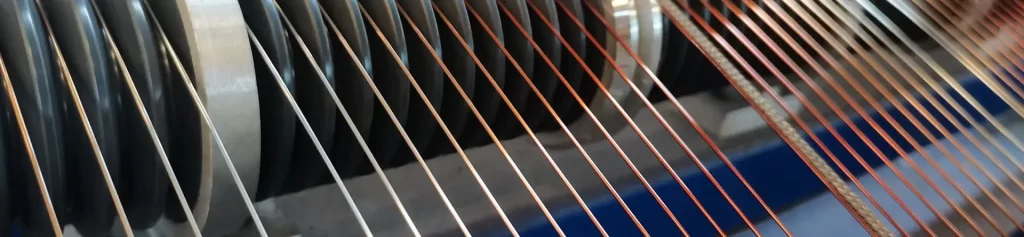
Fiberglass covered wire plays an increasingly important role in battery systems. With the rapid development of power batteries, energy storage systems, and power tools, battery systems have increasingly high requirements for the high temperature resistance, flame retardancy, and insulation performance of connection wires. Fiberglass covered wire, with its excellent heat resistance, chemical stability, and mechanical protection capabilities, has become an indispensable key material in battery systems.
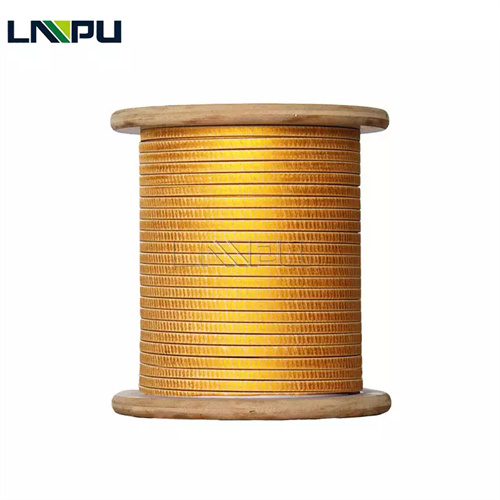
This article provides a concise and practical technical guide for battery system engineers and procurement decision-makers from five dimensions: the insulation characteristics of fiberglass covered wire, battery system application scenarios, technical advantages, selection specifications, and common application cases.
I. Insulation Characteristics of Fiberglass Covered Wire
Fiberglass covered wire is an insulated conductor with copper or aluminum wire as the conductor and an outer layer of fiberglass braiding. Based on the insulation system, it can be divided into pure fiberglass covered wire and fiberglass + varnish composite insulation types.
1.1 High Temperature Resistance
The thermal class of fiberglass covered wire is typically Class H (180°C) or Class C (>220°C), significantly higher than ordinary enameled wire. This enables it to operate stably for extended periods in the high-temperature environment of battery systems.
Battery systems generate heat during charging and discharging, especially in fast charging and high-power discharge scenarios, where the internal temperature of the battery pack can reach 80-120°C. Ordinary insulation materials tend to age and degrade under prolonged high temperatures, while fiberglass covered wire can withstand higher temperatures, ensuring long-term reliability of the insulation system.
1.2 Flame Retardancy
Fiberglass itself is a flame-retardant material that does not burn and does not produce toxic smoke. This characteristic is particularly important for battery systems, as thermal runaway is one of the primary safety risks in batteries. Fiberglass covered wire can delay fire spread in the event of a fire, buying time for evacuation and firefighting.
1.3 Mechanical Protection
The fiberglass braiding layer provides good mechanical protection for the conductor, resisting vibration, bending, and a certain degree of friction. In the operating environment of battery systems, connection wires need to withstand certain mechanical stresses, and the mechanical strength of fiberglass covered wire can effectively extend the service life of the cable.
II. Main Application Scenarios in Battery Systems
2.1 Internal Connections of Power Battery Packs
In the power battery packs of new energy vehicles, fiberglass covered wire is mainly used for connection wires between battery modules and signal wires for the Battery Management System (BMS).
Technical Requirements: Conductor cross-sectional area is typically 2.5-35mm², insulation class Class H or above, temperature resistance ≥180°C, with good flexibility to accommodate the compact layout of battery packs.
2.2 Energy Storage Systems
In large-scale energy storage stations and commercial/industrial energy storage systems, fiberglass covered wire is used for connection wires between battery arrays and busbar insulation. Energy storage systems typically operate in outdoor or semi-outdoor environments, with high requirements for the weather resistance and aging resistance of insulation materials.
2.3 Power Tools and Light Electric Vehicles
In the battery systems of power tools, electric two-wheelers, and three-wheelers, fiberglass covered wire has been widely used due to its cost-effectiveness and reliable insulation performance.
III. Technical Advantages of Fiberglass Covered Wire in Battery Systems
| Performance Indicator | Fiberglass Covered Wire | Ordinary PVC Insulated Wire | Advantage Description |
|---|---|---|---|
| Thermal Class | Class H (180°C) | Class A (105°C) | Heat resistance 75°C higher |
| Flame Retardancy | Non-flammable | Flammable (requires flame retardant additives) | Inherently flame retardant, safer |
| Chemical Resistance | Excellent | Average | Resistant to electrolyte corrosion |
| Mechanical Strength | High (braiding protection) | Moderate | Resistant to vibration and friction |
| Service Life | 15-20 years | 5-10 years | Stable throughout battery system life cycle |
3.1 Thermal Management Compatibility
The thermal management design of battery systems typically includes air cooling, liquid cooling, and phase change material solutions. Fiberglass covered wire is compatible with various thermal management solutions and does not degrade due to cooling media (such as coolant).
3.2 Space Utilization
The insulation layer of fiberglass covered wire is relatively thin, resulting in a smaller outer diameter for the same cross-sectional area, which is beneficial for wiring design in the compact space of battery packs.
3.3 Cost Effectiveness
Under the premise of meeting the insulation and safety requirements of battery systems, fiberglass covered wire has better cost-effectiveness compared to some high-end special insulation materials (such as silicone rubber insulated wire).
IV. Selection Specifications
4.1 Conductor Selection
Copper Conductor: High conductivity (100% IACS), large current-carrying capacity, is the mainstream choice for battery system connection wires.
Aluminum Conductor: Lightweight, low cost, suitable for weight-sensitive or cost-sensitive applications, but requires larger cross-sectional area to achieve the same current-carrying capacity.
4.2 Insulation Class
Select the insulation class based on the maximum operating temperature of the battery system:
- Class H (180°C): Suitable for most power batteries and energy storage systems
- Class C (>220°C): Suitable for high-temperature environments or applications with special safety requirements
4.3 Conductor Cross-Sectional Area
Select the conductor cross-sectional area based on the maximum operating current and allowable voltage drop of the battery system. Common cross-sectional area ranges:
- Signal wires/control wires: 0.5-2.5mm²
- Module connection wires: 6-25mm²
- Main busbar: 35-95mm²
4.4 Certification Requirements
Fiberglass covered wire for battery systems should meet relevant certification requirements, such as UL, IEC, RoHS, etc. For export products, specific regulatory requirements of the target market must also be met.
V. Application Cases
5.1 New Energy Vehicle Power Batteries
A new energy vehicle manufacturer used fiberglass covered wire as module connection wires in its power battery pack. After high-temperature testing (120°C/1000 hours), insulation performance showed no significant degradation, validating the long-term reliability of fiberglass covered wire in high-temperature environments.
5.2 Commercial/Industrial Energy Storage Systems
A commercial/industrial energy storage system integrator selected fiberglass covered wire for connections between battery arrays. The flame retardancy and weather resistance of fiberglass covered wire enable it to meet the safety requirements of outdoor energy storage cabinets.
Conclusion
With its excellent high temperature resistance, flame retardancy, and mechanical protection properties, fiberglass covered wire has become an important insulated connection material in battery systems. In application scenarios such as power batteries, energy storage systems, and power tools, fiberglass covered wire can meet the comprehensive requirements of battery systems for safety, reliability, and cost-effectiveness.
When selecting fiberglass covered wire, the appropriate conductor material, insulation class, and conductor cross-sectional area should be chosen based on the specific operating conditions of the battery system (temperature, current, space, etc.), and ensure that the product meets relevant certification requirements.